 Follow Us on Google News


 Follow Us on Google Discover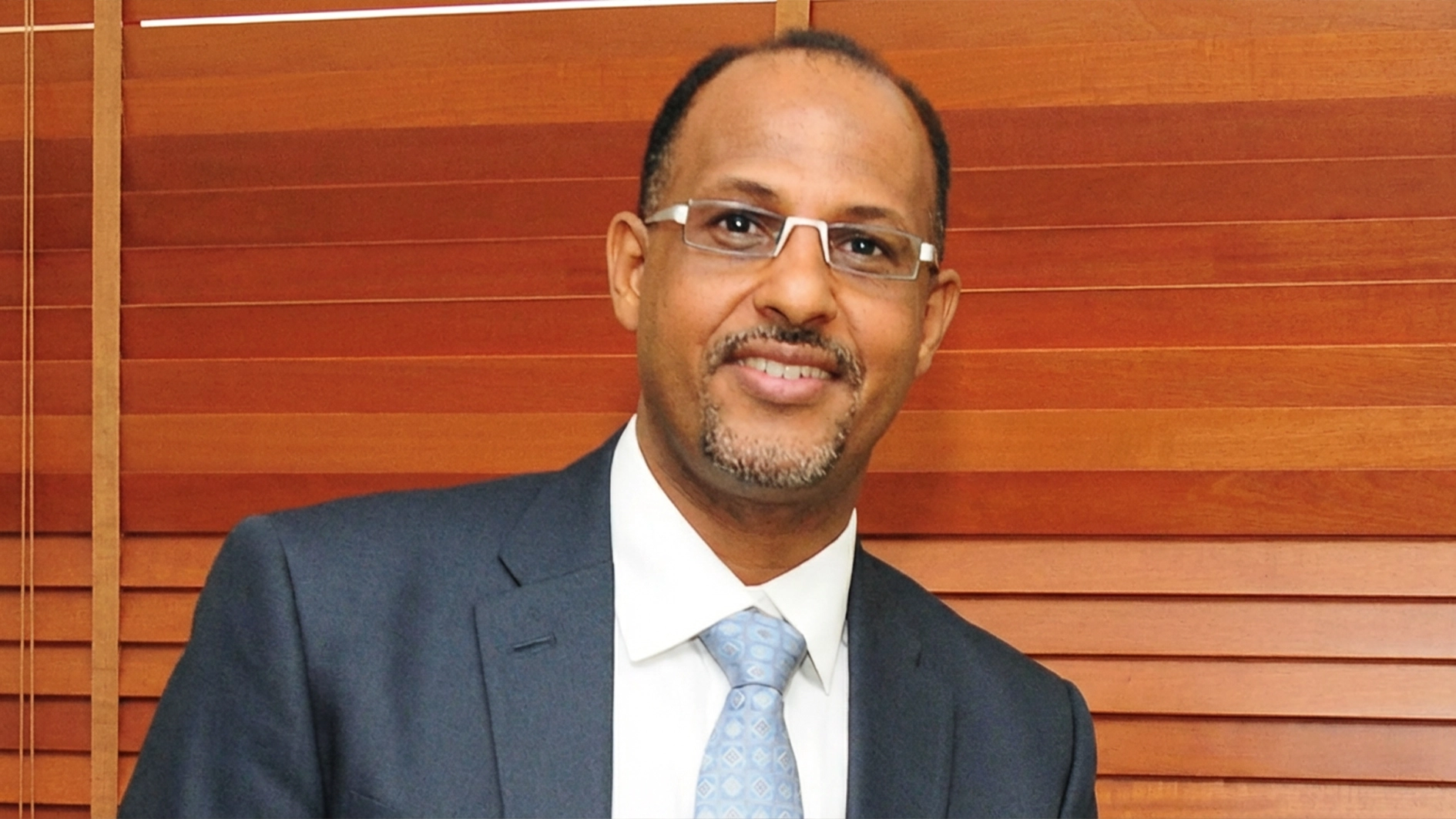
The absence of autonomous system numbers (ASNs) in many states has left millions of Nigerians dependent almost entirely on mobile network operators for Internet access.
The implication is limited users’ access to Internet gateways in the country.
ASN gives networks routing independence and allows them to exchange traffic directly on the global Internet. Without the facilities, ISPs cannot operate independently, limiting network diversity and making the Internet ecosystem more fragile.
Providing insight into the issue, the Chief Executive Officer of the Internet Exchange Point of Nigeria (IXPN), Mohammed Rudman, said the absence of ASNs in many states has left millions of Nigerians dependent almost entirely on mobile network operators for Internet access.
Speaking at a media capacity-building session organised by Hyperscalers, a pan-African market intelligence and ecosystem platform, Rudman said: “If you go to a state such as Yobe or Gombe, with about three million people, there is no single Internet service provider apart from the mobile network operators.”
According to a document shared at the training, IXPN revealed that 22 states have at least one ASN, while 15 states have none.

Lagos accounted for 171 ASNs, followed by Abuja (50). Others include Rivers (nine), Oyo, Ogun, and Kano (six each), Osun (four) and Delta (three ASNs).
Globally, Nigeria has just one ASN for every one million people, a figure Rudman described as extremely low for the economy.
In global comparison, the United States has 91 autonomous system numbers per million people, Brazil has 43, and South Africa has 13, highlighting Nigeria’s limited network diversity.
According to Rudman, fewer independent networks reduce competition and concentrate market power in the hands of mobile operators, a structure that contributes to high broadband prices and limited consumer choice.
Highlighting the root causes of low ASN count, the IXPN boss, among other things, said setting up an independent network requires significant investment in power (diesel/generators) and infrastructure, high cost of transmission capacity. Many smaller ISPs fail or consolidate before they can even apply for an ASN.
According to him, managing an ASN requires knowledge of the Border Gateway Protocol. He said many local IT teams find this complex and choose the “easier” path of letting a single provider manage their routing.
He said governance issues at AFRINIC (the regional registry for Africa) have, at times, slowed down the approval and issuance of new IP resources and ASNs.
Rudman added that many Nigerian enterprises (banks, universities, and government agencies) prefer to sit “behind” an ISP, saying they use the ISP’s IP addresses and ASN instead of applying for their own. This makes them “tenants” on the internet, invisible as independent networks.
Further, Nigeria’s challenge mirrors a broader continental gap. Africa, through its regional internet registry AFRINIC, has allocated only about 2,670 ASNs, the lowest among the world’s five internet regions.
The IXPN document showed that in 2021 alone, AFRINIC issued 256 ASNs, compared with more than 7,700 allocated by the Asia-Pacific Network Information Centre (APNIC) during the same period.
Rudman said the slow pace of network growth has left Africa and Nigeria in particular lagging behind regions where digital infrastructure investment is accelerating rapidly.
He added that high operating costs, multiple regulatory approvals and expensive transmission capacity remain major barriers to new ISPs entering the market.
Speaking at the workshop, Executive Director of Africa Hyperscalers, Temitope Osunrinde, said: “Digital infrastructure is now as critical to national development as roads, ports, and power. If Africa is to shape credible narratives that attract long-term investment and support sustainable digital economies, the media must understand how these systems work and what it takes to deliver them.
“This workshop is about equipping journalists with the insight to drive better public discourse, inform policy decisions, and ultimately support stronger infrastructure outcomes.”

