 Follow Us on Google News


 Follow Us on Google Discover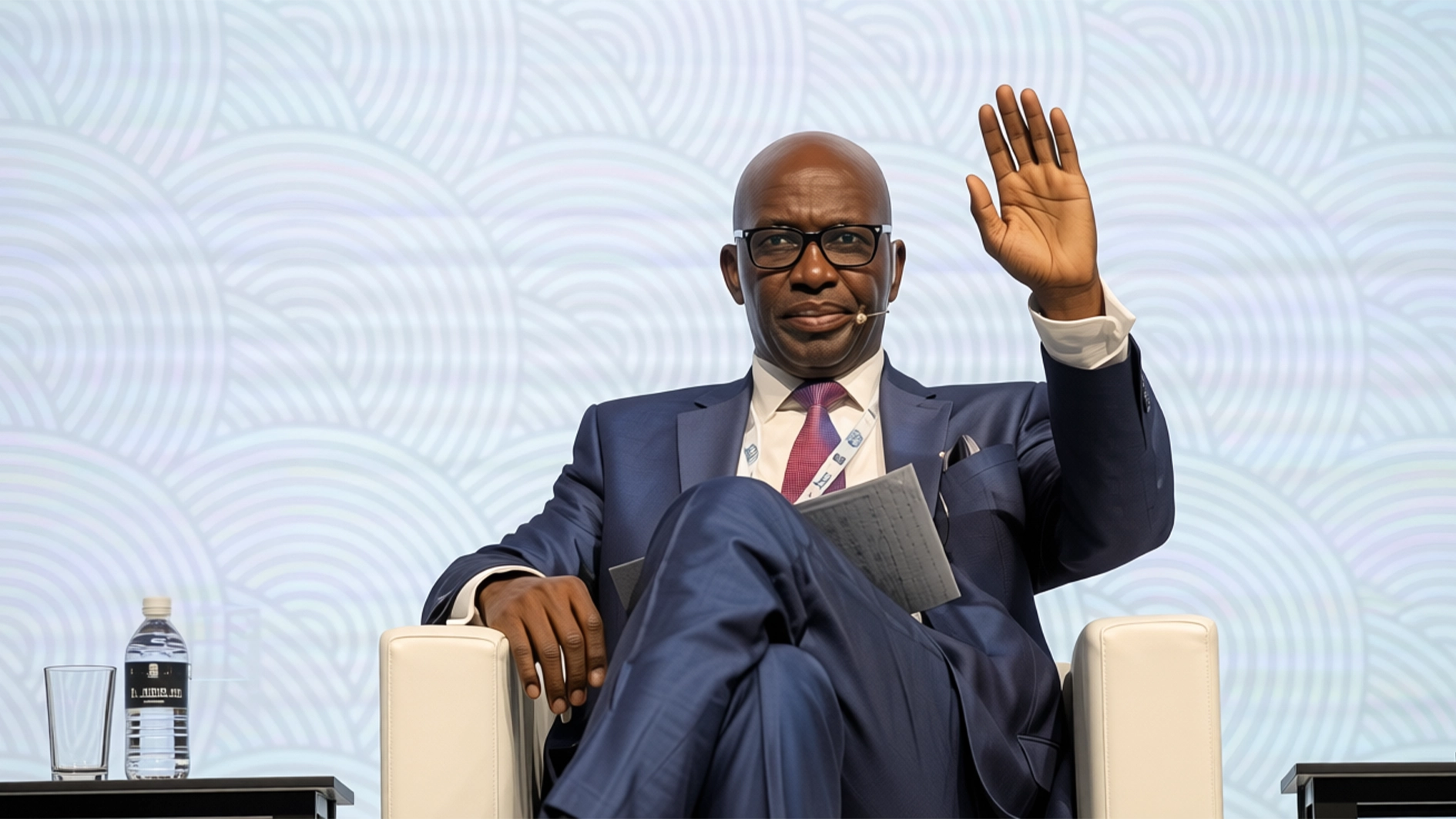
Africa must lead its own energy transition, ensuring development and access to power alongside decarbonisation.
The Chief Executive of Renaissance Africa Energy, Tony Attah, made the remarks at International Energy Week in London, insisting that Africa must not simply be a follower in the global transition to cleaner energy but must shape the path on its own terms.
He highlighted what he called Africa’s “energy paradox”: despite the continent’s vast renewable potential, including around 40 per cent of the world’s solar capacity, and about nine per cent of significant natural gas reserves, hundreds of millions of Africans still lack access to basic electricity, and more than 850 million depend on traditional biomass for cooking. The result, he stressed, is a continuing public health crisis and a barrier to industrial growth.
Attah stressed that Africa cannot focus on reducing emissions until it has built sufficient energy infrastructure, emphasising that the continent’s transition must support electrification, industrialisation and economic growth.
He pointed to Renaissance’s own recent progress following its acquisition of Shell’s onshore and shallow-water assets in Nigeria, a move that has boosted oil output by 100,000 barrels per day, and expanded gas supply into local markets, including reportedly supplying around 2 billion standard cubic feet of gas per day to Nigeria LNG, as evidence that African operators can link energy production directly to jobs and domestic value creation.
Attah called on African governments to provide regulatory certainty, on international financiers to unlock long-term capital, and on global partners to pursue collaborations that are commercially balanced and respectful of African priorities.


