 Follow Us on Google News


 Follow Us on Google Discover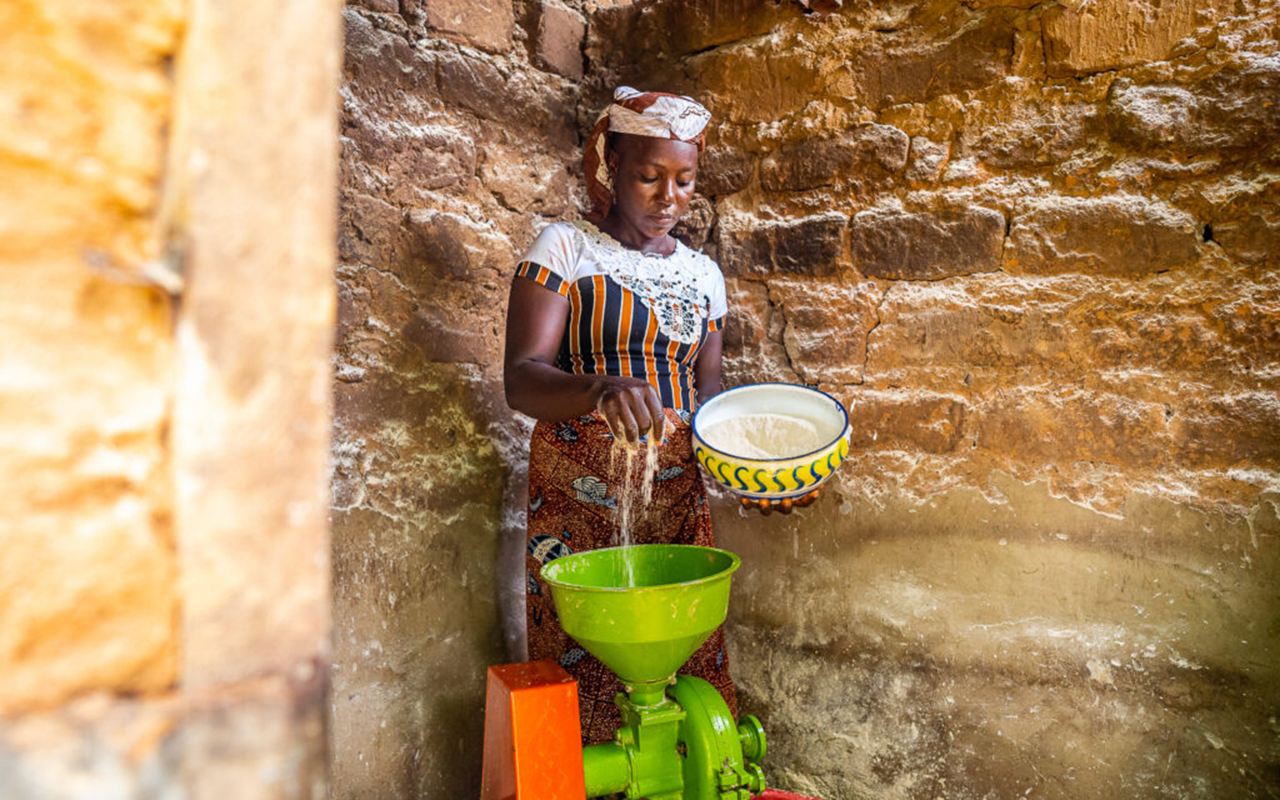
Despite their critical role in feeding the continent, African women, who constitute up to 60 per cent of the agricultural workforce, face significant barriers to accessing energy and modern agricultural tools.
For instance, in Nigeria, this vital sector receives just two per cent of the nation’s electricity, a primary driver behind the 40 per cent post-harvest losses that threaten regional food security.
To address this, a multi-year strategic collaboration between the Mastercard Foundation and the Global Energy Alliance for People and Planet, introduces the Energizing Women and Youth in Agri-Food Systems (EWAS) Programme.
This initiative, aimed at enabling 17,000 jobs, especially for young women in Ethiopia and Nigeria, moves beyond traditional aid by treating renewable energy as a foundational productive asset for industrialisation.
EWAS seeks to improve access to green energy, promote the productive use of energy technologies, and provide training to help young women increase their incomes. By integrating these technologies into agriculture, the programme aims to empower young women in rural areas.
The programme, working with a consortium of partners including Rocky Mountain Institute (RMI) in Nigeria, and local businesses, is structured to deliver measurable progress across three high-impact areas – Gender-inclusive job creation: The initiative is designed to create 17,000 jobs, specifically targeting young women in Nigeria and Ethiopia to help close the persistent gender earnings gap in rural economies; Technological scaling: By integrating solar-powered irrigation and walk-in cold storage, the programme stabilises value chains in poultry, horticulture, and milling; and De-risking finance: Utilising the Productive Use Financing Facility (PUFF), the programme provides results-based subsidies and capacity-building grants to make green technologies affordable for communities, and small and medium enterprises (SMEs) such as farmers.

Speaking about the choice of Nigeria and Ethiopia as the focus of this initiative, the Country Delivery Lead in Nigeria for the Global Energy Alliance, Muhammad Wakil, said the two countries were chosen due to their large populations — over 300 million combined — and the essential role agriculture plays in their economies.
He added that the countries present a unique opportunity to scale energy access programmes amid rapidly growing populations, and said: “Ethiopia and Nigeria were selected as the programme’s initial focus due to the opportunity presented by energy access programmes, the central role of agriculture in their economies, and the tremendous size of their rapidly growing populations, and the potential to be harnessed among the countries’ youth.
EWAS aligns with Mastercard Foundation’s Young Africa Works strategy, which strives to create 30 million jobs for young Africans, especially women, by 2030. The programme also supports the Global Energy Alliance’s mission to expand clean energy access to one billion people, reduce four gigatons of carbon emissions, and create 150 million new jobs.
“This initiative addresses one of Africa’s biggest challenges: using clean energy to drive agricultural growth, boost productivity, and build resilient food systems. EWAS showcases the potential for scalable solutions across the continent.”
Wakil listed the key programme objectives to include – improving access to energy technologies: “Lowering costs for young women through the Productive Use Financing Facility (PUFF); supporting income growth; helping young women integrate productive use energy (PUE) technologies into their agricultural businesses; and building local capacity; strengthening PUE equipment and energy supply enterprises to serve young women in agriculture effectively.”
Building on successful programmes like the Global Energy Alliance’s Energising Agriculture Program, a collaboration between the Alliance, RMI, and Nigeria’s Rural Electrification Agency, and the PUFF pilot, EWAS will focus on key sectors such as coffee processing, cold storage, milling, apiculture, poultry, horticulture, and agro-processing hubs, among others.
“After a successful inception in 2024 and 2025, the team is implementing the first wave of projects, working closely with partners such as RMI, local businesses, and participants to drive impact on the ground.”
Wakil expressed that as the Federal Government intensifies its focus on Food Sovereignty in 2026, “the EWAS model offers a proven pathway for localised, energy-driven innovation that diversifies the country’s economic output and stimulates productive and inclusive growth.” He added that by shifting from access to power for productivity, the programme aims to tackle the twin challenges of the climate crisis and inequality, by leveraging existing agricultural investments to foster a more resilient green economy.

