 Follow Us on Google News


 Follow Us on Google Discover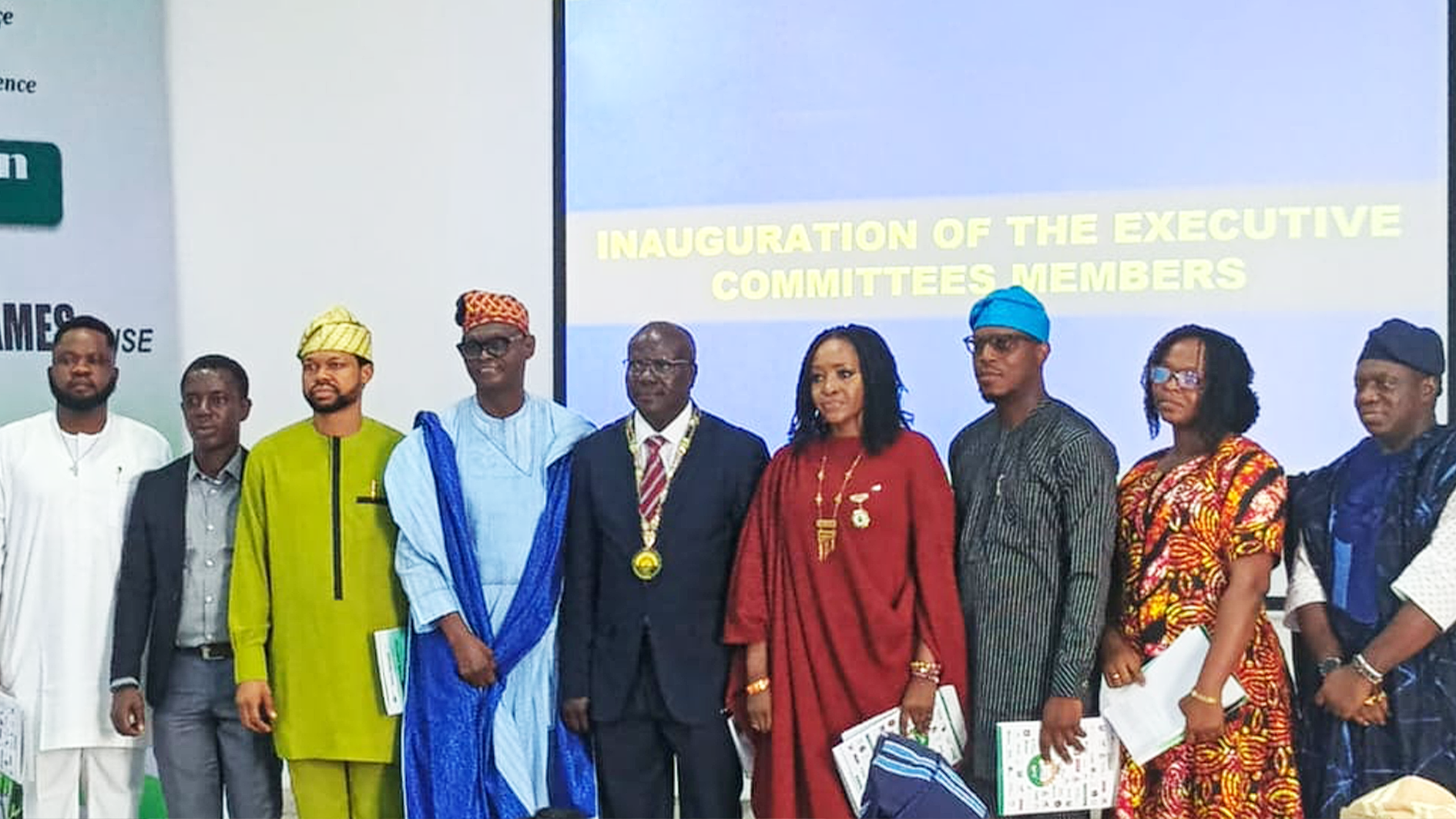
Leaders in the agriculture sector – both in Nigeria and Africa – have been urged to embrace smart engineering innovations, which have potential to transform the food system from scarcity to security.
An Associate Professor of Food Process and Engineering at the Lagos State University of Science and Technology, Olushola Bolaji, who gave the advice linked the challenges in the food system to rapidly growing population, poverty, loss of about 40 per cent of agriculture produce yearly due to poor storage, and 60 per cent of uncultivated arable lands.
Others, he said, include spending about $75b yearly on food imports despite local production potential, linked to poor food supply chains, weak infrastructure, and poor technological deployment/adoption, low crop yields and 70 per cent of Nigeria’s farmer are smallholders farmers (SHFs) accounting for 90 per cent of agricultural produce.
Bolaji, who spoke at the investiture of Mr Babatunde James, as the 10th chairman of the Nigerian Society of Engineers (NSE), Victoria Island branch/induction of 12 new members in Lagos, on the theme: “From scarcity to security: engineering solutions for Africa’s food system,” charged leaders to massively integrate mechanised agriculture, smart irrigation, post-harvest technologies, and agro-industrial processing to make food available, affordable, stable and accessible to all Nigerians.
He explained that Africa can significantly increase food production, reduce losses, strengthen food supply chains, adding that the food system is at the mercy of engineers, who are expected to help develop smart solutions needed to tackle challenges in the food production value-chain.
The agriculture engineering expert said: “Food security requires a collaborative effort of all the stakeholders; the academia, industry and professional association with conscious effort of deploying technological solutions and innovation strategically and intentionally. The science of food security is the science of survival. This is not just possible without engineering intervention and solutions; engineering solutions drive the survival of human kinds. We need to take advantage of all the resources we have, to provide solutions to Africa’s food system.

“Not all technologies should be copied and applied to the food production process but those that are relevant to solving the local problems. Developing technologies may not be cheap initially but when commercialised, it becomes cheaper.”
In his speech, the new chairman, James, said the branch will actively promote sustainable engineering solutions and encourage innovation that addresses Nigeria’s unique development challenges including those relating to the food system.
The chairman pledges the branch’s readiness to provide technical expertise and practical solutions that would deliver safe, efficient and sustainable infrastructure for the nation.
James assured of support for research, promoting local technological solutions and encouraging the adoption of modern engineering practices that drives economic growth.
He said: “Engineering is far more than a profession; it is a public trust. Every road we design, every bridge and building, power system install and water infrastructure developed has a direct impact on lives and well-being of the people. As engineers we are custodians of public safety, drivers of innovation and partners in national development. “
James said the branch plans to enhance professional excellence and ethical practice, youth development and mentorship, industry collaboration and policy engagement.
The Chairman acknowledged that behind every aspect of modern life stands the work of engineers, noting that from power plants to digital technologies, from infrastructure to emerging innovation such as artificial intelligence and wireless communication systems, engineers remain at the centre of progress and development.
James urged practitioners to uphold the highest standards of the profession and contribute meaningfully to the advancement of the society and the nation at large.
Earlier, the President of NSE, Ali Rabiu, charged the new executives to open new opportunities for growth and improve professional visibility of engineers.
Rabiu, who was represented by a member of the national executive of the NSE, Mr. Ayotunde Ogunnaiki, pledged commitment to strengthening collaboration among professionals, industry and the government.
In a remark, the Admiral Superintendent of Naval Dockyard Limited (NDL), Rear Admiral Ibrahim Shehu, emphasised the crucial role of collaboration in tackling challenges, noting that it requires some level of sacrifice with a ‘win-win’ mindset rather than going about with capitalist mentality in providing solutions to industry problems.
He noted that the Naval Dockyard can’t be divorced from food production as the professionals are specialists in providing fishing equipment, adding value to industries and the country. Shehu assured of readiness to provide training for young engineers to advance competence.

