 Follow Us on Google News


 Follow Us on Google Discover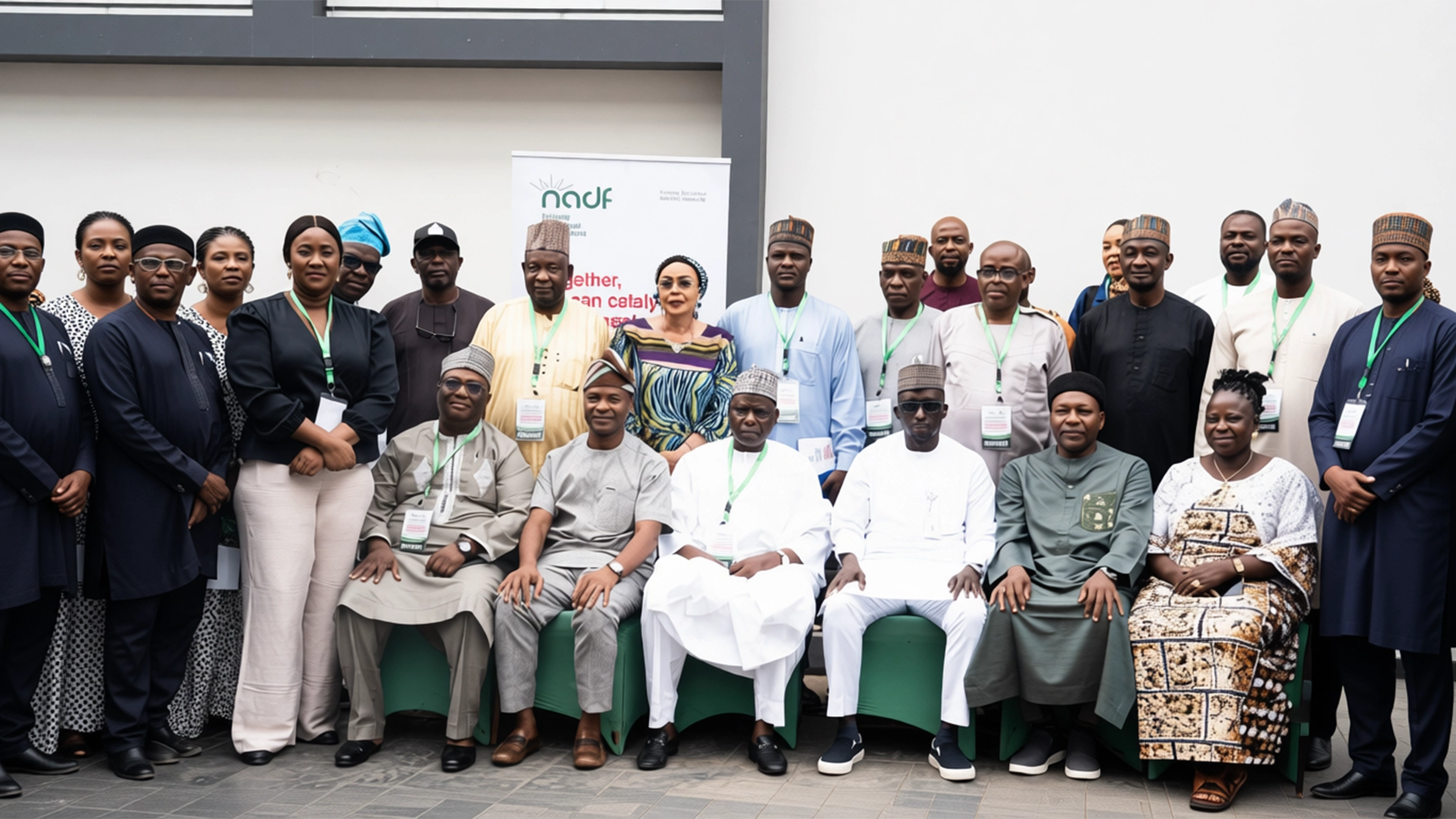
The National Agricultural Development Fund (NADF), in collaboration with key stakeholders, has commenced the validation of a national fertiliser-use manual designed to guide farmers across Nigeria’s diverse agro-ecological zones.
Speaking at the opening of a stakeholders’ validation workshop on Tuesday in Abuja, the Executive Secretary of NADF, Mohammed Abdullahi, said the exercise was aimed at gathering technical inputs to ensure the manual is practical and user-friendly for farmers, extension workers, and other end users.
He stressed the importance of proper fertiliser application, noting that while fertiliser is a major driver of agricultural productivity, its benefits can only be maximised when applied correctly and responsibly.
“When guidance is inconsistent or fragmented, we lose efficiency and risk long-term damage to soil health,” he said. “A harmonised national manual will promote better yields, smarter input use, and more sustainable farming practices.”
Abdullahi explained that the initiative aligns with NADF’s mandate to support agricultural development through evidence-based interventions and strong partnerships, with a focus on improving productivity, safeguarding soil health, and strengthening national food security.
He urged participants at the workshop to engage actively and provide practical, actionable recommendations that would support nationwide adoption and effective implementation of the manual.
Also speaking, the Director of Farm Input Support Services at the Federal Ministry of Agriculture and Food Security, Mr Waziri Abba, described the harmonised fertiliser manual as a critical tool for enhancing crop productivity, improving farmers’ profitability, promoting sustainable economic growth, and strengthening national food security.
He noted that conventional fertiliser use in Nigeria has largely relied on blanket recommendations that fail to account for the varying nutrient needs of soils across different agro-ecological zones, as well as the economic realities faced by farmers.

According to him, such generalised recommendations often result in over-fertilisation in some areas, under-fertilisation in others, or the application of an improper balance of nutrients for specific soils or crops.
“By validating this manual, we are ensuring that farmers apply the right nutrients at the right rate, at the right time, and in the right place,” Abba said.
“Our collective objective is to move from generalised and inefficient practices to site-specific fertiliser recommendations that are scientifically sound, economically viable, and environmentally sustainable.”
He added that the validation exercise also seeks to address the challenge of hidden hunger—micronutrient deficiencies in food—emphasising that healthy soils produce healthy plants, which in turn support better human nutrition.
“Our efforts go beyond food security to nutrition security,” he said.

