 Follow Us on Google News
 Follow Us on Google Discover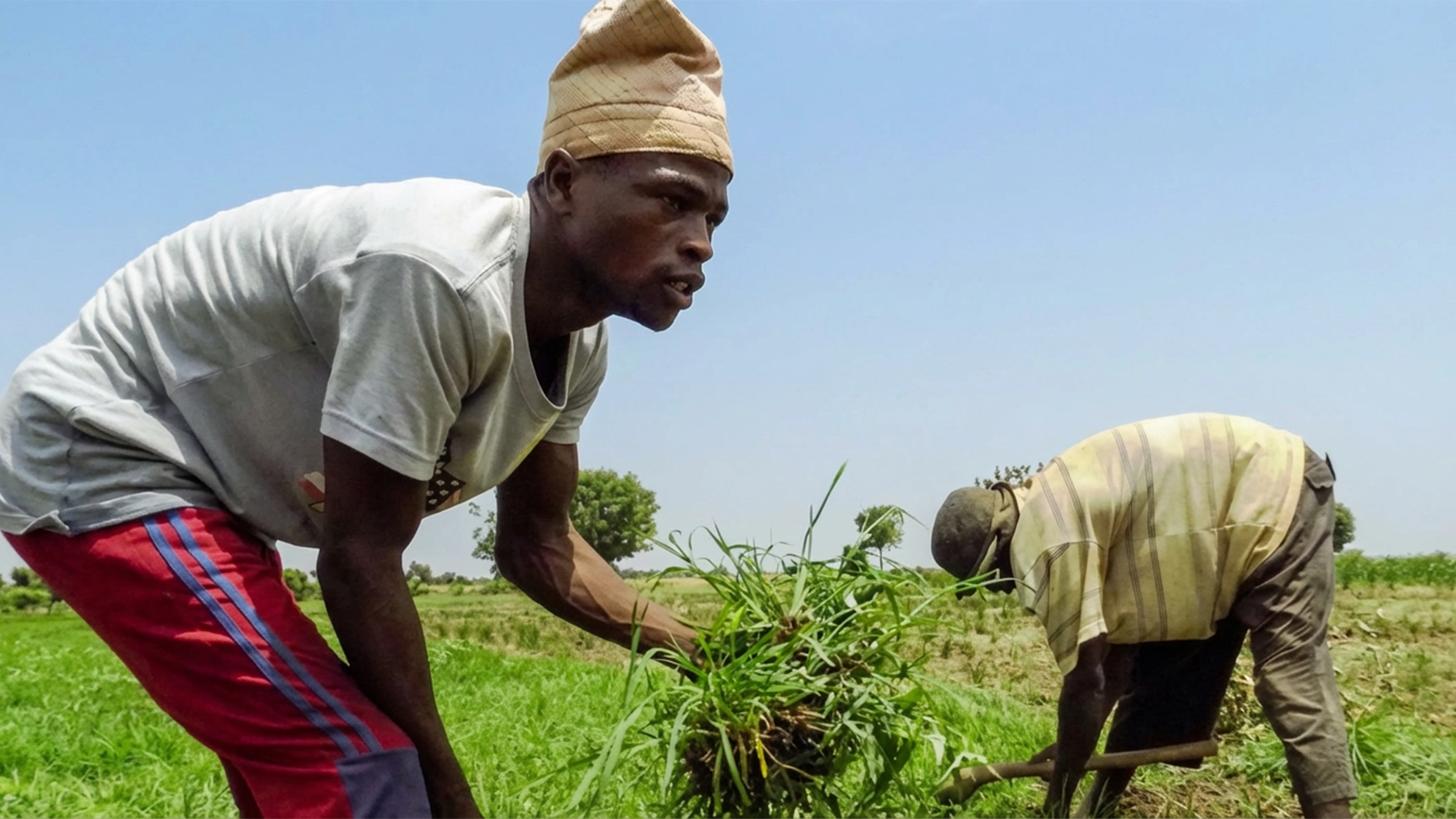
Efforts to strengthen local agriculture through a transition from inorganic to organic farming practices are gaining traction in Taraba State, with early signs of improved adoption among smallholder farmers.
The momentum was evident over the weekend as the Women and Children Health Empowerment Foundation (WACHEF) trained more than 13,000 women farmers across the state in agroecology and organic farming techniques.
The training programme, organised by WACHEF with support from ActionAid Nigeria, culminated in a town hall meeting aimed at connecting the newly trained farmers to viable markets and strengthening value-chain linkages.
Speaking at the forum, the West Africa Project Officer of the Strategic Partnership for Agroecology and Climate Justice in West Africa (SPAC), Latifat Shehu Magaji, said the initiative underscored WACHEF’s long-standing commitment to sustainable agriculture, noting that the organisation recently marked its 25th anniversary.
Magaji urged farmers in Taraba State and beyond to embrace organic farming as a sustainable alternative to chemical-intensive methods, stressing that the shift would help mitigate climate change, protect soil health and improve the livelihoods of smallholder farmers.
In her remarks, the Executive Director of WACHEF, Faizat Abubakar Yero, said the foundation was intentionally focusing on women farmers to accelerate the widespread adoption of organic practices. She added that mechanisms had been established to ensure trained farmers gain access to reliable markets.

“Our objective goes beyond training. We want to ensure that women farmers can sell their produce, earn better incomes and contribute meaningfully to food security,” Yero said.
The town hall meeting, which focused on improving market access, attracted stakeholders from the transportation sector, the Ministry of Justice, the media, the All Farmers Association of Nigeria (AFAN), and the Ministry of Agriculture and Food Security.
Experts at the forum noted that organic crop production could significantly reduce conflicts and challenges associated with farming, particularly those arising from environmental degradation, soil depletion and health risks linked to chemical use.
Officials of the Taraba Agricultural Development Programme (TADP), under the state Ministry of Agriculture and Food Security, reaffirmed the state government’s commitment to supporting farmers with improved, evidence-based technologies. They assured participants that all technologies promoted would be thoroughly tested and proven effective before distribution.
Earlier, the Chairman and Founder of WACHEF, Dr Garba Danjuma, warned against the excessive use of inorganic chemicals, citing their long-term health and environmental risks.
“Let us reduce our dependence on these chemicals as much as possible. With collective effort, nothing is impossible. We want to promote farming using locally sourced fertilisers,” Danjuma said.
The programme ended with women farmers showcasing produce cultivated through organic methods, while commending WACHEF for equipping them with the skills and technical knowledge needed to improve productivity, incomes and sustainability.

