 Follow Us on Google News


 Follow Us on Google Discover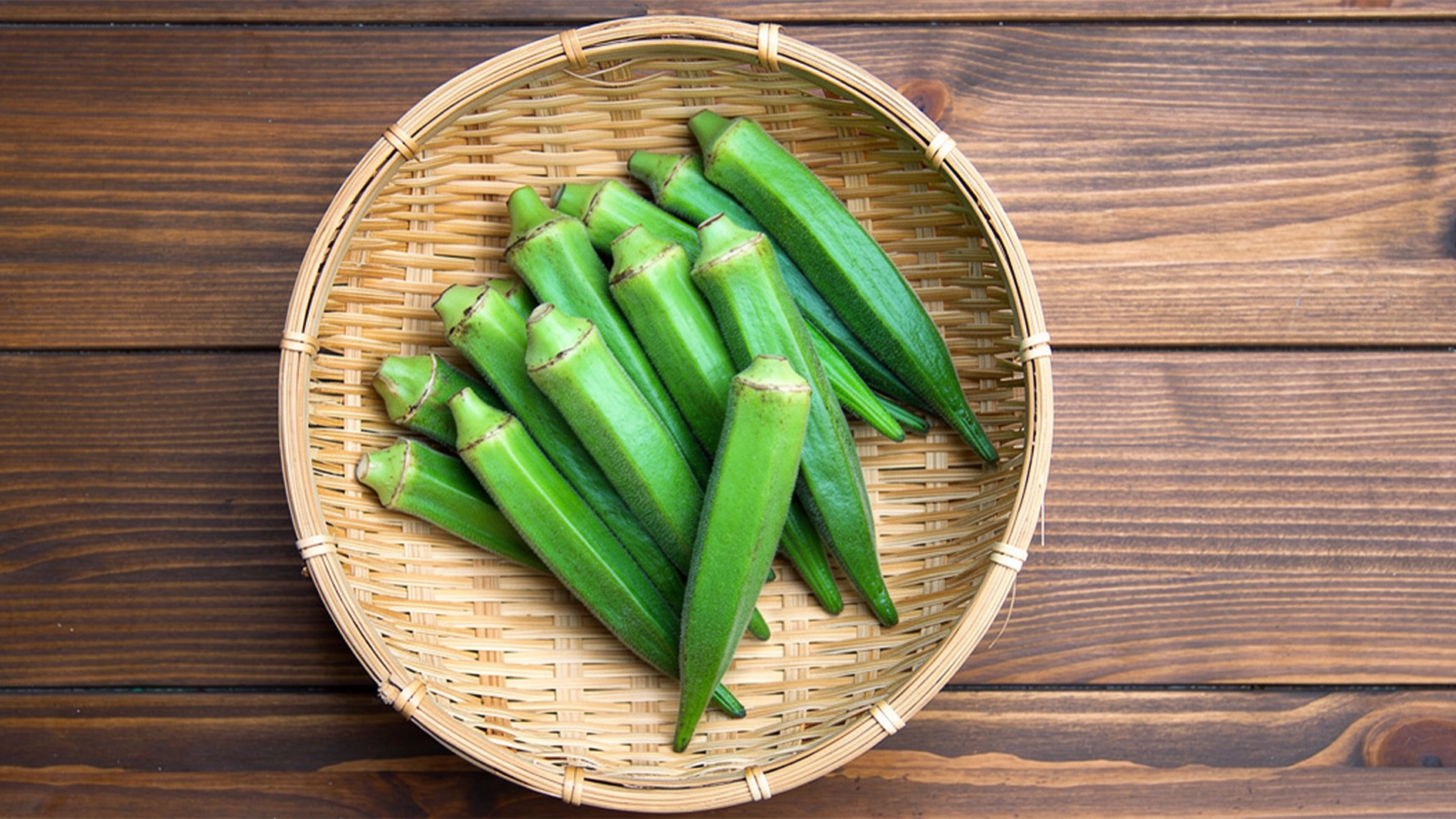
Despite its significant economic potential, okra rarely reaches its maximum yield owing to high prevalence of pests and diseases, extensive use of single or unimproved local varieties, limited genetic base of current varieties that renders them unsuitable for various processing needs, and high cost of manual harvesting.
Okra (Abelmoschus esculentus) is one of the important and widely cultivated crop worldwide, especially in tropical and subtropical regions. It is a high-yielding yearly plant with a wide range of characteristics, inLaidecluding height, branching, colour, maturity period, and pod characteristics.
The crop is cultivated mainly for its soft green pods, which are in high demand in markets for canned, frozen, and fresh vegetables. Okra is important for nutrition in addition to its commercial value, particularly when other vegetables are in short supply.
It is an essential part of the human diet because it is a highly nutrient-dense vegetable that is rich in protein, carbohydrates, calcium, potassium, vitamins A, B1, and C, dietary fiber, and other essential minerals.
Recent research also highlights its diverse pharmaceutical benefits, notably its immune-system-enhancing properties. It is of note that the global okra market is experiencing a significant surge in both demand and supply, driven by the increasing need for food, pharmaceuticals, and agricultural products, yet it is still facing series of limitations.
To address these limitations, there is a new research targeted at identifying accessions with potential for mechanical harvesting and significant agricultural economic traits, such as yield, disease resistance, and tolerance to abiotic stress.

The research, conducted by Laide Abbas Rasaki, is part of his PhD research, focusing on assessing the world’s most extensive germplasm collection, which is owned by the US Department of Agriculture’s GRIN, conducting morphological and genetic assessments on these accessions.
“This work will lay the foundation for breeding the next improved variety of okra that will meet the trait targets of both subsistence and commercial farmers globally. The importance of this work cannot be overstated. Hence, significant federal and international organisations should invest substantially in collecting, evaluating, and maintaining extensive crop genetic resources worldwide.
“Therefore, this crucial endeavor of protecting the world’s crop genetic resources necessitates consistent funding for research like mine, as well as effective global government policy. By ensuring that these invaluable resources are readily accessible for enhancing crop improvement, such initiatives are crucial to the resilience of future agricultural systems,” he said.
Rasaki noted that crop genetic resources are essential to achieving and maintaining global food security, adding that the process of characterising these resources transforms them into useful instruments that provide a tangible solution to the impending food security crisis of the years to come, particularly in light of unfavorable weather patterns globally.
He, therefore, implored government at all levels, international organisations, public and private organisations to take immediate action. “In other words, frameworks that ensure strong, resilient food systems for future generations must be established and strengthened.”
Rasakai said Plant Genetic Resources (PGRs), sometimes referred to as Crop Genetic Resources are fundamental building blocks for crop development and are strategically important for future food and nutrition security, as well as for sustainable crop production.
He posited that they are by no means academic curiosities, maintaining food security, sustaining livelihoods, and enabling agriculture to adapt to various changing challenges all depend on the genetic diversity present in PGRs and CGRs.
“This is particularly important in light of the growing global demand for food, the emergence of new pests and diseases, and climate change.
“Therefore, how can we make these CGRs useful to farmers, particularly in anticipation of future adverse impacts of climate change on food security? Plant breeding specialists like me conduct what is known as “characterisation” to fully realise the potential in CGRs. This comprises gathering, classifying, assessing (both phenotypically and genotypically), and recording the genetic and morphological characteristics in the collection. Crop improvement, combating emerging pests and diseases, and mitigating the negative effects of climate change on crop productivity can all greatly benefit from this approach.
“Without characterisation, it is impossible to discover and take advantage of the hidden treasures in our CGRs for the benefit of farmers and the maintenance of food security for an expanding population. There are many CGR collections worldwide; many of them are uncharacterised, while others are characterised.”

