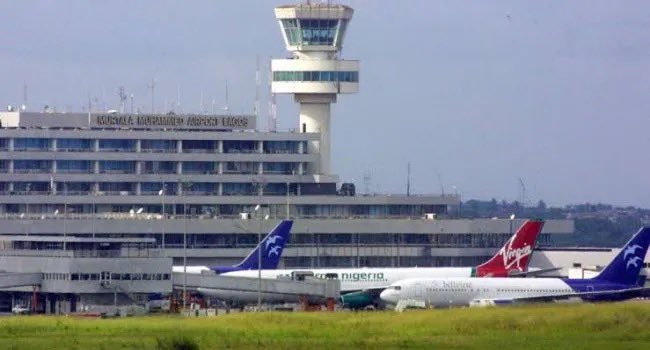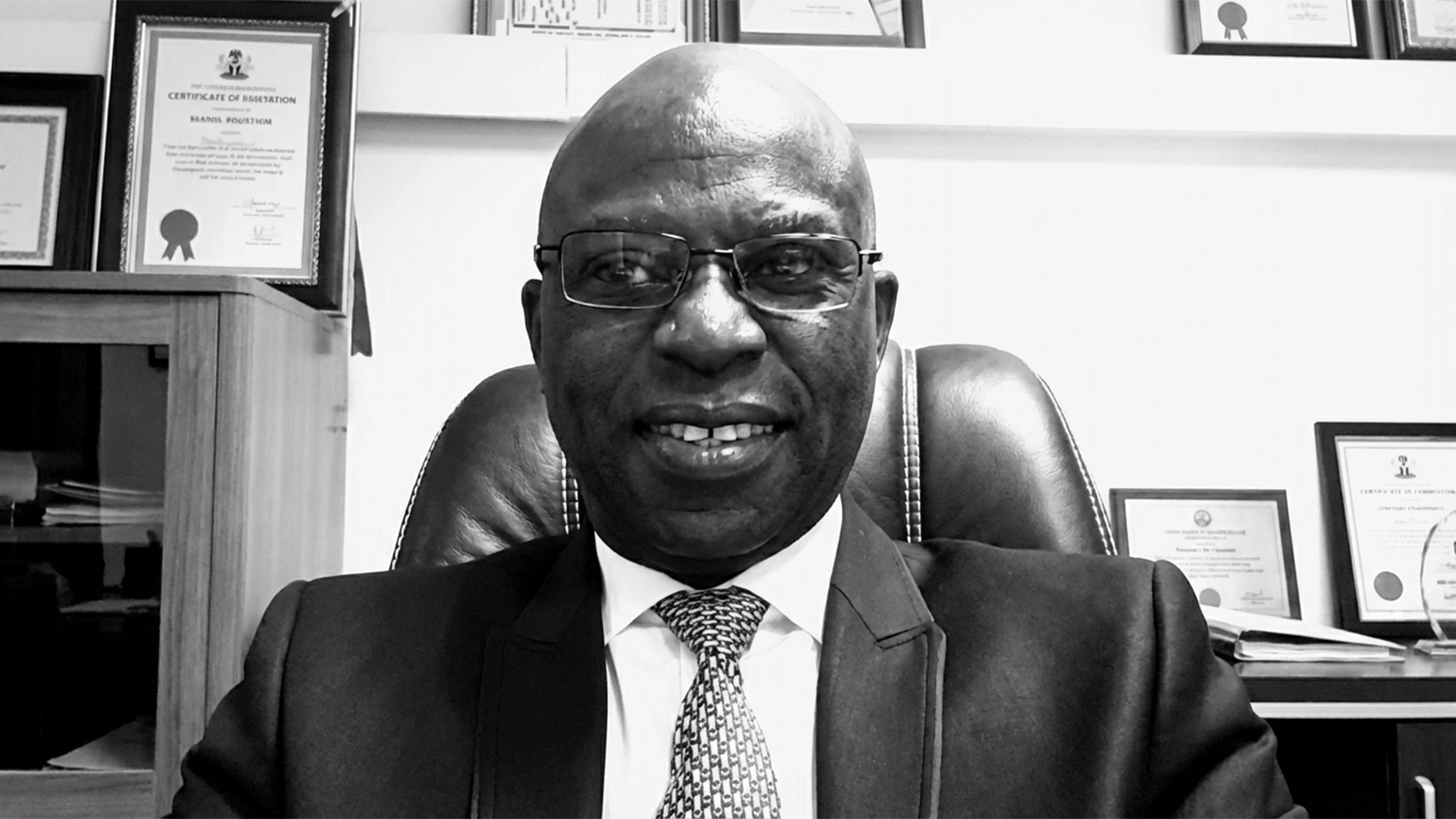
The President of the Society of Licensed Aircraft Maintenance Engineers of Nigeria (SLAMEN) and Director of Continuing Airworthiness, Max Air, Haladu Muhammad, in this interview with OLUSEGUN KOIKI, speaks on the forthcoming centenary celebration of aviation in Nigeria and challenges in the airline sub-sector.
Next month will mark 100 years since the first airplane landed in Nigeria, specifically in Kano. Do you think the milestone is worth celebrating?
Nigeria has everything to celebrate about a century of aviation in the country. Today, we have a large number of young people who have shown interest in the industry, and the sector has played a crucial role in the country’s economic development. Transportation is part of communication. As you are aware, moving from Point ‘A’ to Point ‘B’ improves communication, and it equally enhances the economy too.
Aviation has participated fully in re-energising the Nigerian economy, including in the area of security. A lot of people now fly by air and if you look at the percentage of the people who were flying in Nigeria 30 years ago and compare it with what we have now, the difference is significant. So aviation has played a key role in adding positive equity to the Nigerian economy, and it is giving employment to a lot of young people.
Over the last five years, some of us have provided on-the-job training (OJT) to numerous young Nigerians, a practice that was not prevalent in the past. Also, the safety record of the Nigerian aviation industry has been very high and competitive, too.
Of course, there is room for improvement, but it is worth celebrating. Efficiency and performance have improved despite the numerous challenges in the airline sub-sector. The life cycle of airlines in Nigeria is very short, but I think at the government, corporate and private sector levels, people need to sit down and study this, find out the causes and sources of regular failures of domestic airlines. Most of these challenges are due to the economy and government policies.
As an operator or an intending airline operator, you need foreign exchange to buy aircraft, spare parts, fuel, maintenance, training, and so many other things. All these are very expensive, which can only be addressed by the government through policies.
What is your position on the impending new tax reform, which is set to kick off in January?
As I mentioned earlier, the major challenge confronting the airline sector is the exchange rate, over which we have no control. If we can have control over the exchange rate, the airlines will breathe and perform efficiently. As it stands, dollars are exchanged for about N1,500, while a few years ago, it was barely N300 to N400 to a dollar. This has been very significant in our operations. In every country, people have to pay taxes to the government.
Tax regenerates the economy, but government policies can be reviewed and I think the government must have a second look at these new tax reforms as they affect the aviation industry. I just hope the new tax reform Act will not lead to multiple taxation for the airline sub-sector.
Aviation is a service industry – we are servicing the public and unfortunately for the operators, almost everything that has to do with their operation is foreign. The components, spare parts and even the aircraft are all foreign. The local content that we have within the industry is very minimal and it is mostly manpower. I think the government needs to look at this issue very critically to aid the industry.
What is the impact of the current price of Jet A1 on the operations of the airlines?
The price of aviation fuel has always been based on the dollar-naira exchange rate, and it has not been static. It depends on where you are buying the product from. For example, the price that you pay in Lagos will be different from that you pay in Maiduguri, Yola or Sokoto.
But for the aviation industry, the value of each litre of fuel has been calibrated to dollars and this has been the situation for many years. However, the coming onstream of Dangote Refineries is gradually bringing down the prices of the oil products. As it stands, you can say the price of Petroleum Motoring Spirit (PMS) is dropping and the company as you are aware, is also producing aviation fuel.
The cost of aviation fuel for our operation is substantially high. However, you have to measure the performance of the business based on Aircraft, Crew, Maintenance, and Insurance (ACMI), but its cost on our operation is very high.
In what way is the Society of Licensed Aircraft Maintenance Engineers of Nigeria (SLAMEN) protecting the rights of its members, especially in the workplace?
The Society of Licensed Aircraft Maintenance Engineers of Nigeria (SLAMEN) is a professional body with ethics that guide the conduct of its members. First, you must have a passion for the profession, and you must equally have the ethical belief and tendency to sustain the ethics.
An aircraft maintenance engineer does not work in isolation. He has some specific training and experience to qualify as an aircraft maintenance engineer and he doesn’t discharge the work on his own. He works under regulations and those regulations are domestic regulations, which we have in Nigeria – the Nigerian Civil Aviation Regulations (NCARs), which govern your operations and performance and there are also sanctions for violations. As an association, we seek to protect the rights of our members and also ensure that they work in accordance with the ethics of the profession.