 Follow Us on Google News


 Follow Us on Google Discover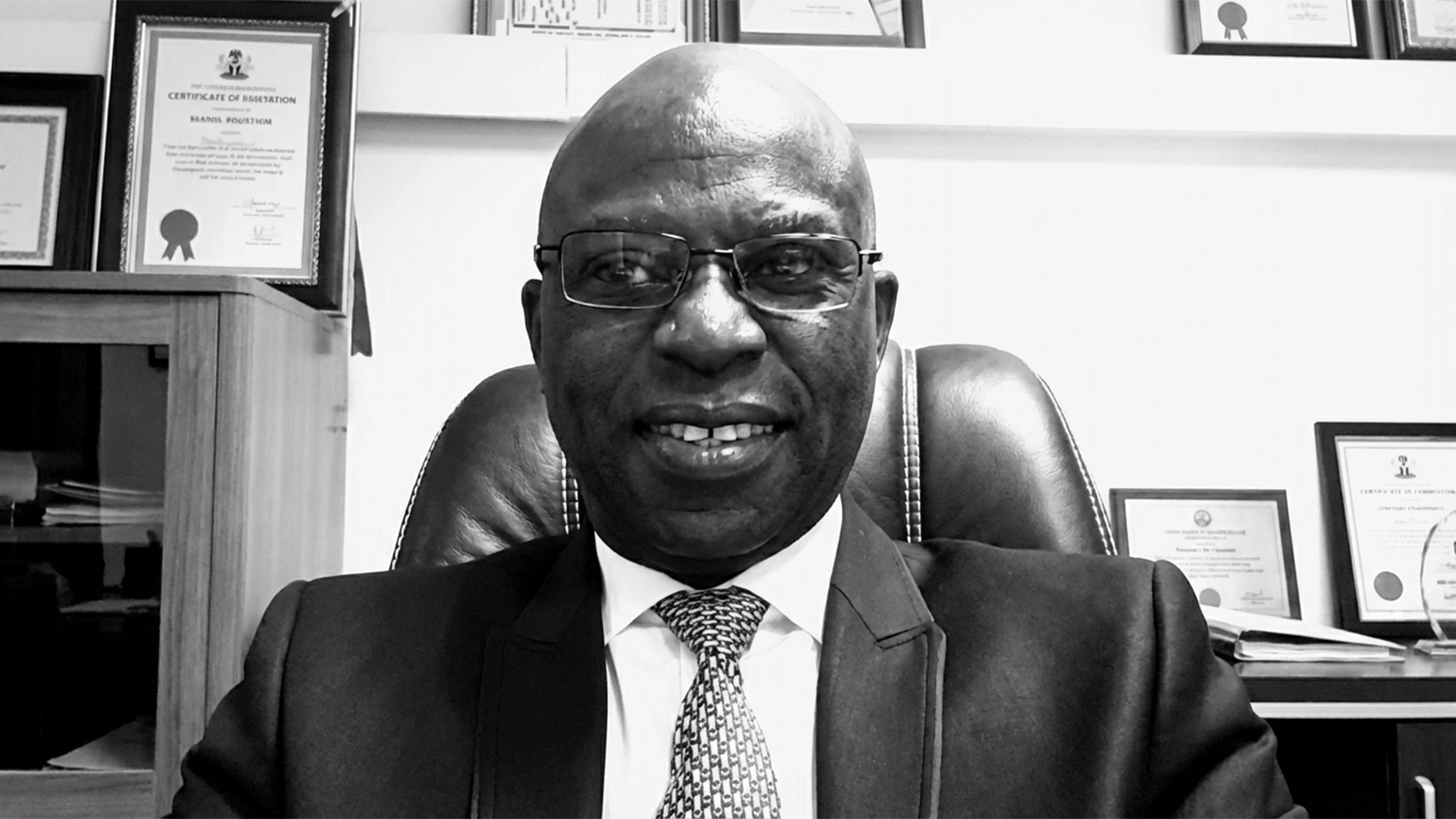
There is a need for legislation regulating industrial picketing at airports to prevent disputes involving airlines, aviation agencies and trade unions from disrupting passengers’ journeys.
The call was made by the former Rector, Nigerian College of Aviation Technology (NCAT), Samuel Caulcrick.
Caulcrick, in an interview with The Guardian yesterday, suggested the enactment of an aviation essential services act to protect passengers from airport disruptions arising from labour disputes and disagreements among industry stakeholders.
Caulcrick said while workers and trade unions should retain their constitutional right to protest, such rights should not extend to actions capable of shutting down airport operations.
He posited that passengers were often the most affected whenever disputes over statutory charges, unionisation, labour relations or other industry matters escalated into picketing or industrial action.
According to him, passengers fund a significant portion of the aviation value chain through payments for Ticket Sales Charge (TSC), Cargo Sales Charge (CSC), airport charges, regulatory fees, fuel surcharges and security-related costs.

He argued that it was therefore unfair for passengers to bear the consequences whenever aviation agencies, airlines and unions disagreed over the management or remittance of funds or other industrial matters.
Caulcrick said: “They fund the industry completely, yet their trips are disrupted at the slightest disagreement among beneficiaries of their money.
“Passengers are largely excluded from negotiations involving unions, airlines and aviation agencies, despite being the ultimate consumers of aviation”
“The situation becomes particularly problematic when passengers who have already paid for their tickets are stranded because of disputes in which they have no involvement.”
Caulcrick explained that passengers could lose business opportunities, incur additional hotel and transportation expenses or miss important engagements as a result of flight disruptions, without an effective mechanism for compensation.
He also called for the establishment of a passenger compensation scheme under the proposed legislation.
He opined that passengers whose journeys were delayed beyond a specified period, such as three hours, should automatically qualify for compensation, subject to clearly defined conditions.
He declared such a system would ensure that the financial consequences of disruptions were not borne solely by passengers.
The proposed act, according to him, should designate aviation as an essential service and establish clear rules governing industrial action within the sector.
He insisted that blocking airport terminals, access gates, runways, check-in counters and other operational areas in a manner that prevents flights from operating should be prohibited.
He further advocated substantial penalties for organisations that violate the proposed restrictions, as well as personal liability for union leaders found responsible for repeated unlawful disruptions, subject to due process.
Caulcrick also proposed a mandatory 30-day cooling-off period for aviation-related industrial disputes.
Under the proposal, disputes over the remittance of TSC and other industry-related matters would first be subjected to mediation involving the Ministry of Aviation and Aerospace Development, the Nigeria Labour Congress (NLC), NCAA and other relevant stakeholders.
Besides, he cited Sections 40 and 45 of the 1999 Constitution in arguing that while the right to peaceful assembly and association was constitutionally guaranteed, certain limitations could be imposed in the interest of public order and safety.

