 Follow Us on Google News


 Follow Us on Google Discover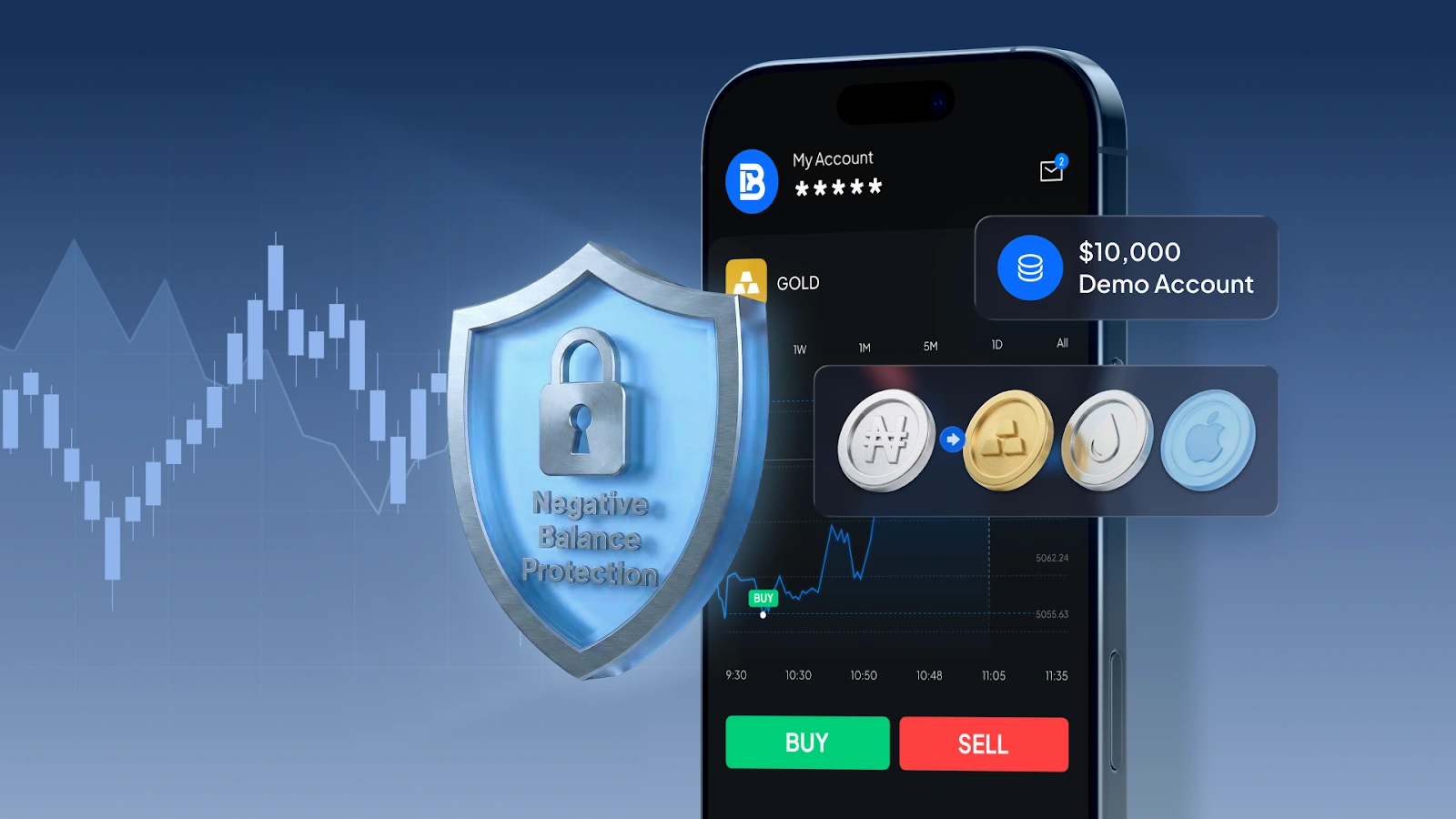
Economic anxiety has become a daily reality for many Nigerians. The Nigerian naira (NGN), already vulnerable to external shocks, has faced renewed pressure as global tensions push energy prices higher and rattle currency markets. When wars disrupt oil supply chains, crude prices often surge, triggering ripple effects across developing economies where import costs quickly rise and purchasing power weakens.
Nigeria sits at the intersection of these forces. Oil remains a pillar of government revenue and foreign exchange inflows, yet volatility in global energy markets can produce unpredictable domestic outcomes. When oil prices spike during geopolitical crises, fuel costs and transport prices climb, pushing inflation into everyday goods. For households and investors alike, the result is a growing urgency to protect savings from currency depreciation.
Those pressures have changed how Nigerians think about wealth preservation. Traditional savings held in local currency accounts no longer feel like safe ground during periods of volatility. Instead, many retail investors have begun exploring global markets, particularly commodities and foreign exchange, as a way to diversify their exposure and hedge against the declining value of local currency.
Gold and Forex as Modern Hedges
Gold has long held a reputation as a safe harbor during turbulent periods, and recent global tensions have reinforced that perception. When geopolitical conflicts escalate, investors across the world tend to seek refuge in hard assets such as gold, pushing prices higher. For Nigerian traders, the metal, often traded internationally as XAUUSD, offers a way to anchor wealth to a globally priced commodity rather than a weakening local currency.
Currency markets provide another layer of protection. Major forex pairs allow traders to measure the naira indirectly against stronger global currencies like the US dollar or euro. During times of currency instability, these pairs can act as hedging instruments, offering exposure to markets that operate beyond domestic economic pressures.
Platforms that offer access to multiple asset classes have become increasingly relevant in this environment. The ability to trade commodities, currencies, and other global instruments from a single interface allows traders to adjust positions as news breaks. Sudden movements in oil prices, central bank policy, or geopolitical headlines can create trading opportunities that reward those who monitor the markets closely.

Applications such as BtcDana have entered the conversation by providing access to a broad range of CFD instruments, including forex, metals, indices, and cryptocurrencies through a single trading platform. The platform allows users to buy or sell financial assets based on price movements across global markets. Traders attempt to profit from these price differences by predicting whether an asset will rise or fall.
Mobile Trading for a New Generation of Investors
The Nigerian retail investor is increasingly mobile-first. Financial tools that once required a desktop terminal or complex brokerage infrastructure are now accessed through smartphones. This accessibility has expanded the pool of participants in global markets, allowing individuals to monitor prices, place trades, and manage portfolios while on the move.
BtcDana has leaned into this trend through an all-in-one mobile trading application designed to make market participation more straightforward for everyday users. The platform provides access to more than a hundred trading instruments while allowing traders to operate across mobile devices, web platforms, and desktop terminals.
Ease of funding is another factor shaping adoption. Deposits and withdrawals on the platform can be made through various payment methods, including bank transfers and e-wallet services, allowing traders to move funds without relying on complicated international brokerage arrangements.
Local deposit services tailored to Nigerian users further simplify entry into the markets. Exchange conversions occur automatically when deposits are made in local currency, allowing funds to be converted into the platform’s base trading currency at the prevailing rate during the transaction.
These operational details may seem small, yet they play a major role in accessibility. When markets react quickly to geopolitical developments, frictionless deposits and withdrawals can mean the difference between capturing a trading opportunity or missing it entirely.
Risk Protection in Volatile Markets
Geopolitical events can trigger rapid market movements. Commodities like gold and crude oil may spike after major developments, while currency markets can gap when liquidity is low. Retail traders are often most exposed during these sudden shifts.
Protective mechanisms are important in online trading platforms. BtcDana offers negative balance protection, which prevents traders from losing more than their account funds during extreme market fluctuations. This feature acts as a buffer against unexpected volatility, particularly relevant during geopolitical shocks. Large overnight price gaps, triggered by events such as conflict announcements or policy changes, can generate losses exceeding initial balances on some platforms. Negative balance protection limits this downside risk and supports more confident participation in global markets.
New traders often start with demo accounts to explore market behavior, test strategies, and understand forex and commodity mechanics without risking capital. This practice helps them familiarize themselves with price charts, order execution, and risk management before transitioning to live trading.
As global tensions persist and currency instability influences financial decisions, Nigerian investors increasingly seek ways to diversify beyond domestic markets. Multi-asset platforms combining accessibility, varied instruments, and risk protections are gaining attention. In such uncertain conditions, knowledge, preparation, and prudent risk management remain essential tools for any investor.

