 Follow Us on Google News


 Follow Us on Google Discover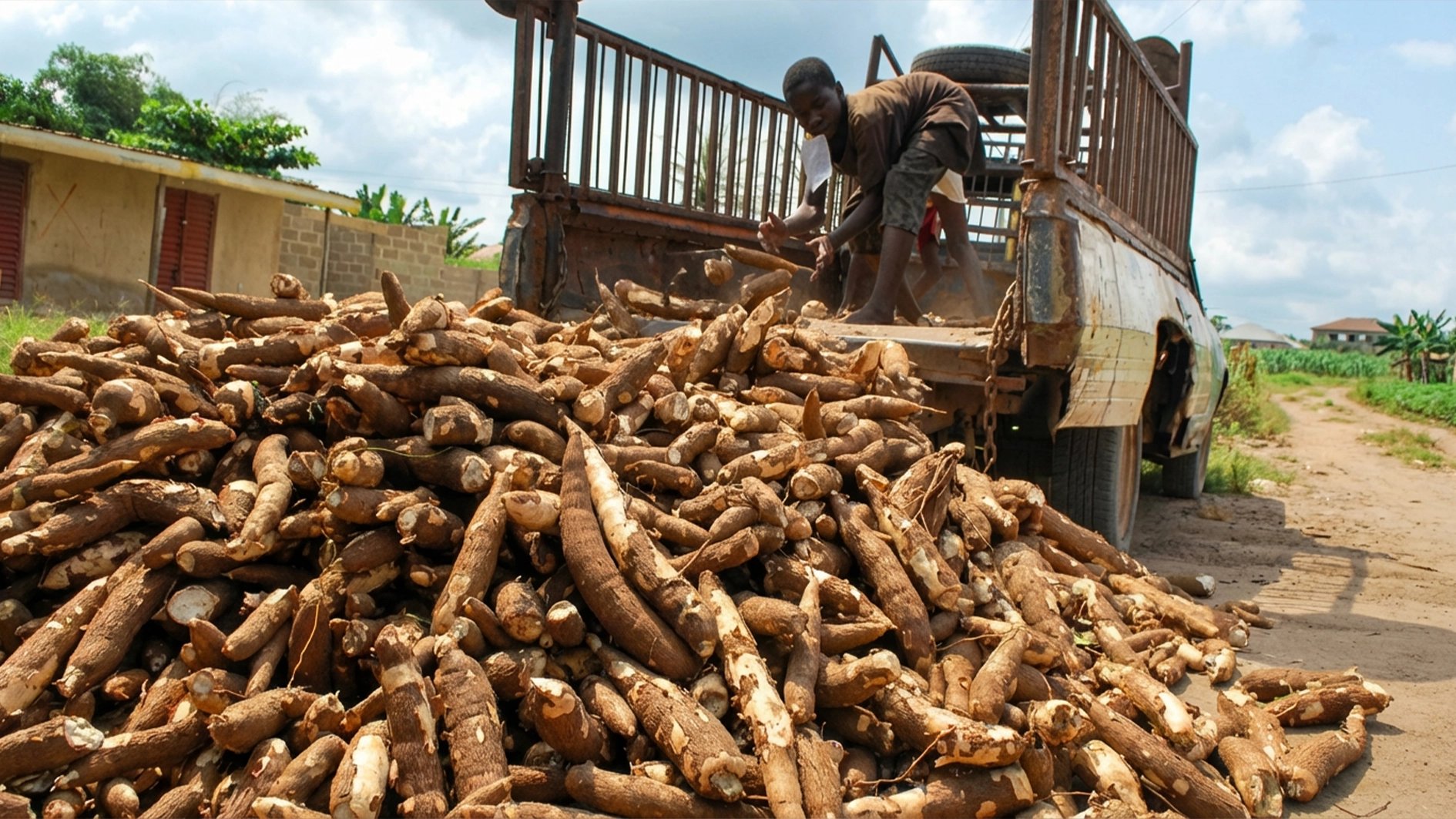
The Federal Government said it is committed to transforming Nigeria’s cassava sector into a major industrial and renewable energy driver.
Minister of Budget and Economic Planning, Abubakar Bagudu, stated this at the opening of a two-day capacity building workshop for stakeholders on the cassava bioethanol value chain development in the north-west geo-political zone.
The workshop brought together key stakeholders from government, academia/research institutions and the private sector.
The minister, who was represented by the Director of Economic Growth, Auwal Muhammad, described the initiative as a strategic pillar of President Bola Ahmed Tinubu’s Renewed Hope Agenda.
“This workshop is more than a training session. It is a strategic gathering designed to ensure that Nigeria no longer just grows cassava to eat, but grows cassava to power our nation,” he said.
He said Nigeria remained the world’s largest producer of cassava, yet much of its potential has remained untapped. He noted that the Cassava Bioethanol Value Chain Development Project seeks to reposition cassava, often referred to as “white gold” as a catalyst for industrialisation and energy transition.

A statement by the Ministry of Budget and Economic Planning signed by the Director, Information and Public Relations, Julie Osagie Jacobs, said by blending bioethanol with premium motor spirit (PMS), the initiative is aimed at reducing reliance on imported fuel, saving trillions of Naira in foreign exchange, stabilising the naira, promoting cleaner, renewable energy alternatives and building a diversified, bio-based economy beyond oil dependency.
The minister emphasised that the initiative targets over 14 million smallholder farmers, enabling them to transition from subsistence farming into active participants in an industrial value chain.
He said under the National Bio-Economy Policy, the Ministry is promoting a circular economy approach that goes beyond ethanol production, adding that, “The value chain includes high-quality cassava stems and starch, carbon dioxide capture during fermentation, and animal feed derived from distillery grains.
“This is not just about building factories. It is about building a future where Nigeria becomes a global hub for bio-resources.”
The National President of the All Farmers Association of Nigeria (AFAN), Muhammad Magaji, commended the Federal Government for prioritising cassava industrialisation.
Represented by Moh’d Umar Birnin, Magaji described the initiative as a transformative opportunity for farmers, noting that cassava’s potential extends beyond food security to renewable energy and economic prosperity.
Agriculture, he emphasised, remained a cornerstone of Nigeria’s economy, and initiatives such as the Cassava Bioethanol Value Chain Development Project provide farmers with a pathway to greater value addition, income growth and long-term sustainability.
The workshop was meant to equip stakeholders with technical competencies for high-yield cassava production and efficient processing, foster collaboration between aggregators, processors and off-takers to reduce post-harvest losses, currently estimated at nearly 40 per cent, as well as standardise production processes to meet global ethanol specifications for fuel and industrial applications.

