 Follow Us on Google News


 Follow Us on Google Discover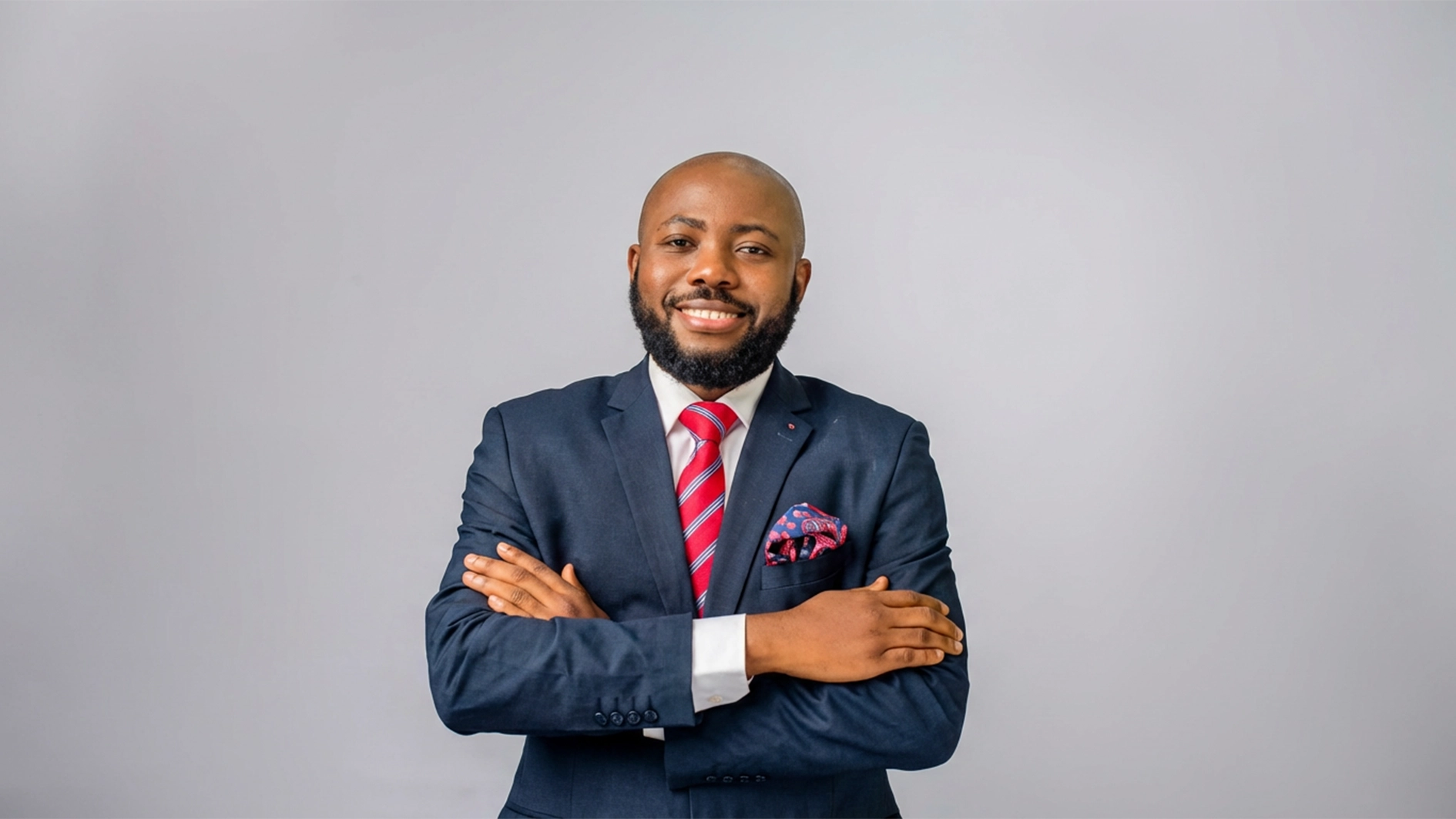
By Dr. Abiola Salami
Picture a typical leadership meeting. The leader presents a direction. Everyone nods. No one disagrees. The conversation moves quickly. From the outside, it looks efficient, decisive and aligned. But underneath, something else may be happening. People are holding back, not because they lack ideas but because they have learned something over time: Speaking up is not always safe.
I will show you how silence develops in organizations. But before then, please note that silence is not a personality trait, it is a learned behavior that develops gradually. It begins when feedback is dismissed, ideas are ignored, questions are interpreted as resistance and leaders react defensively.
Each of these moments sends a clear but subtle signal to people i.e. “Your voice is not needed here.”
People don’t resist that message. They adapt to it. They begin to filter their thoughts. They reduce how much they contribute. They choose when to speak and when to stay quiet. And over time, silence becomes the norm.
Execution breakdown begins with missing information because execution depends on accurate, timely and unfiltered information. When teams go silent, that resource disappears. And when that happens problems surface late, risks remain hidden, weak decisions go unchallenged and opportunities are missed. When this happens, execution does not collapse immediately but it becomes less intelligent, less responsive and less effective.

Silence is not neutral. It is costly. But the cost is not always visible.It shows up as slow decision-making, repeated mistakes, low innovation, reduced accountability and most dangerously; false confidence at the top where leaders believe everything is working because no one is saying otherwise.
Why Smart Teams Choose Silence
Many leaders assume that if people are silent, they are disengaged. That is not always true. Often, the opposite is the case. People are engaged but cautious. They are thinking but filtering. They are aware but withholding. Because they are trying to protect themselves from criticism, embarrassment and negative reactions. So instead of contributing fully, they contribute selectively. And selective contribution leads to incomplete execution.
At the heart of this issue is not competence. It is emotional intelligence. Leaders may be strategically sharp, operationally strong and highly experienced but if they lack emotional awareness, they may not see how their tone affects openness, how their reactions influence behavior and how their presence shapes participation. Because leadership is not just about what is said. It is about how people experience what is said. And that experience determines whether they speaker stay silent.
Organizations that execute well do not eliminate problems. They surface them early. They build cultures where questions are encouraged, disagreement is respected and feedback is valued. They understand that healthy tension drives better decisions. So they design systems that ensure voice is not optional; it is expected.
A Vital Opportunity
This entire conversation is about a shift. A new way of thinking about performance. The conversation comes alive at TPP Fest 2026 on 24th – 25th June with the theme Strategy Execution in Human Environments: The Emotional Intelligence Advantage in Leadership & Performance.
This platform is designed to serve two clear verticals:
1. Strategy Executors: These are Managers & Supervisors who will be exposed to our proprietary framework The Magic of Emotional Intelligence for daily execution with a focus on behavior, communication and team climate.
2. Strategy Leaders: These are Senior Leaders, C-Suite Executives, Company Directors who will engage with our proprietary framework Taming the Invisible Toll of Leadership Expectations ™with a focus on decision quality, pressure management and organizational energy.
Because the future of leadership will not be defined by how much leaders know. It will be defined by how well they can execute through people and under pressure without losing the people or breaking down.
An Important Reflection
Ask yourself one question: When people in your team see a problem, do they speak immediately or do they wait? Because that answer reveals more than culture. It reveals your leadership impact on execution.
Final Thought
Execution does not fail because people lack ideas. It fails because ideas are not expressed, voice is filtered and silence becomes safer than contribution. The strongest organizations are not the ones without problems. They are the ones where problems surface early, where people feel safe, where people feel heard, where people are willing to bring their full thinking into the room. Because they don’t just attend, they don’t just agree but they show up.
About Dr. Abiola Salami
Dr. Abiola Salami is the Convener of Dr Abiola Salami International Leadership Bootcamp ; The Peak PerformerTM FestivalMade4More Accelerator Program and The New Year Kickoff Summit. He is the Principal Performance Strategist at CHAMP – a full scale professional services firm trusted by high performing business leaders for providing Executive Coaching, Workforce Development & Advisory Services to improve performance. You can reach his team on [email protected] and connect with him @abiolachamp on all social media platforms.

