 Follow Us on Google News


 Follow Us on Google Discover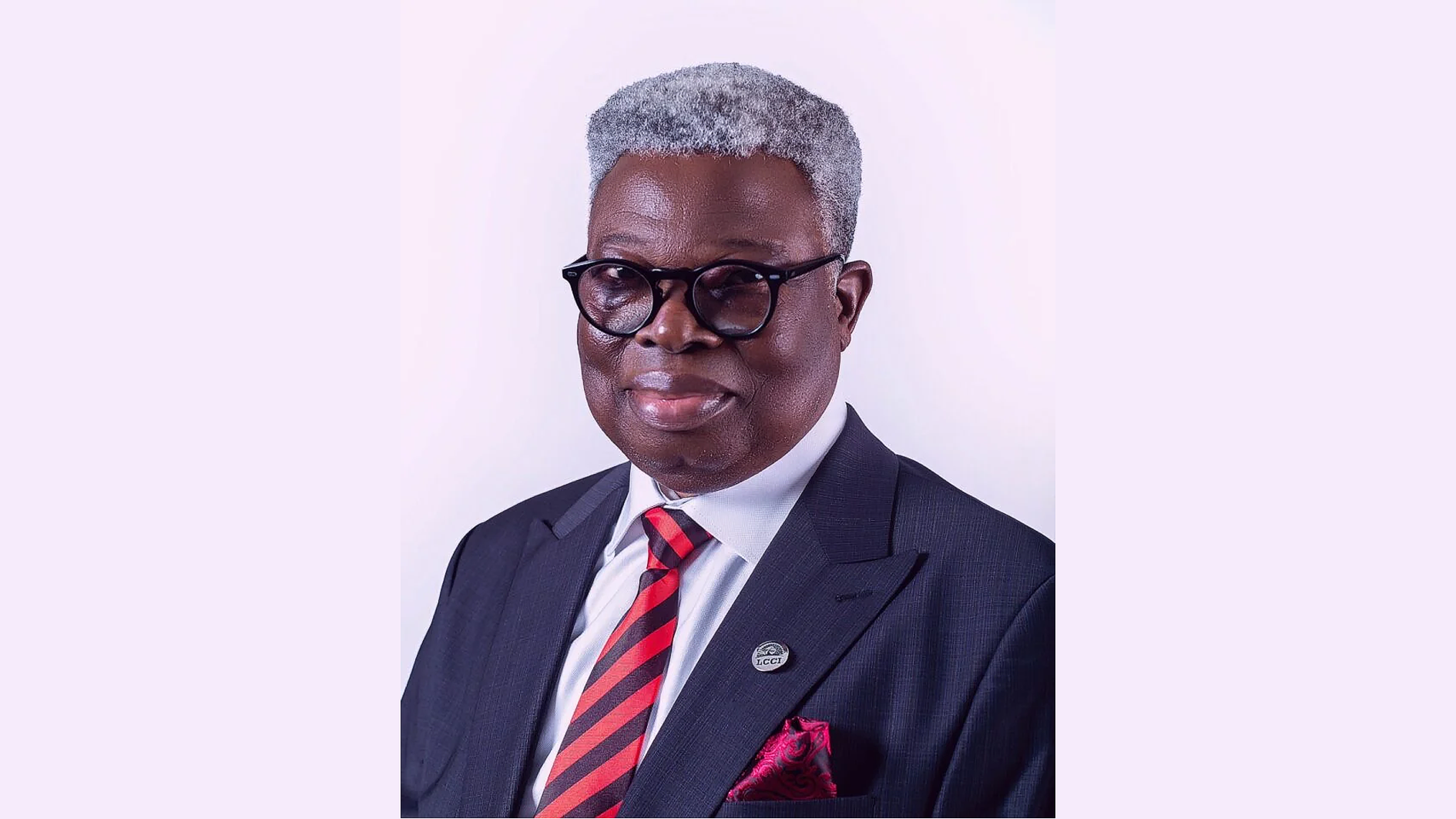
Insecurity has become a measurable economic burden, distorting production patterns, discouraging long-term capital and eroding consumer confidence, President of the Lagos Chamber of Commerce and Industry (LCCI), Leye Kupoluyi, has said.
Speaking at the 10th Edition of the Chamber’s Security Meets Business Dialogue Series at Commerce House in Lagos, he said no economy could outperform its security architecture as investors evaluate not only fiscal policies and market size, but also the predictability of the security environment. Insurance costs, logistics pricing, tourism flows and even digital trade, he said, are influenced by how safe a country is perceived to be.
Regretting that insecurity has ravaged every aspect of the economy, he said the effects on business operations and domestic and foreign investments have become overbearing, as many businesses have been forced to close down or significantly limit operations due to worsening insecurity.
“Disrupted farming activities reduce food supply and intensify inflationary pressures. Attacks on transport corridors increase delivery times. Cybercrime undermines trust in digital finance, while kidnapping and terrorism impose what can be described as a ‘fear premium on business operations.
“Security is therefore a macroeconomic variable that directly shapes growth outcomes. We need a structured public–private collaboration that can transform security from an isolated government function into a shared national responsibility,” he said.
This, he said, requires intelligence-led operations, digital surveillance capacity and stronger coordination among security institutions and critical stakeholders, including communities and economic regulators.

For the private sector, he added, insecurity translates into three major categories of risk. Operationally, factories shorten working hours, transport routes are altered and supply chains become fragmented. Financially, firms face higher insurance premiums, increased spending on private protection and elevated borrowing costs due to perceived instability. Investors can delay or relocate projects to safer jurisdictions, depriving local communities of employment and infrastructure.
“Economic corridors must be treated as national security assets deserving of special protection. Illegal mining, crude oil theft, arms trafficking and illicit financial flows often have international endpoints,” he said.
Representing Vice President Kashim Shettima, Special Adviser to the President on Economic Affairs, Dr Tope Fasua, admitted that prosperity cannot be built without adequate security. “We cannot talk about the African Continental Free Trade Area (AfCFTA) if our highways are contested. We cannot speak of ‘Digital Nigeria’ if our servers are under siege. When a foreign investor sees that the “Rule of Law” is backed by the “Power of Enforcement,” that is a boost in Foreign Direct Investment (FDI),” he said.
He went on to urge businesses to invest in professional security risk management and create a framework where private security data can feed into a national intelligence grid, ensuring a faster response to threats.
Representatives from Nigeria’s security institutions present shared insights on current challenges and joint strategies for resilience and sustainability.
Presenting and officially unveiling the Veterans’ Welfare and Reintegration Bill, 2026, Director-General, LCCI, Dr Chinyere Almona, alongside Prince Julius Adelusi-Adeluyi, said it was designed to establish a comprehensive framework for the welfare, protection, and reintegration of veterans of the Armed and Police Forces who have served the nation with courage and sacrifice.

