 Follow Us on Google News
 Follow Us on Google Discover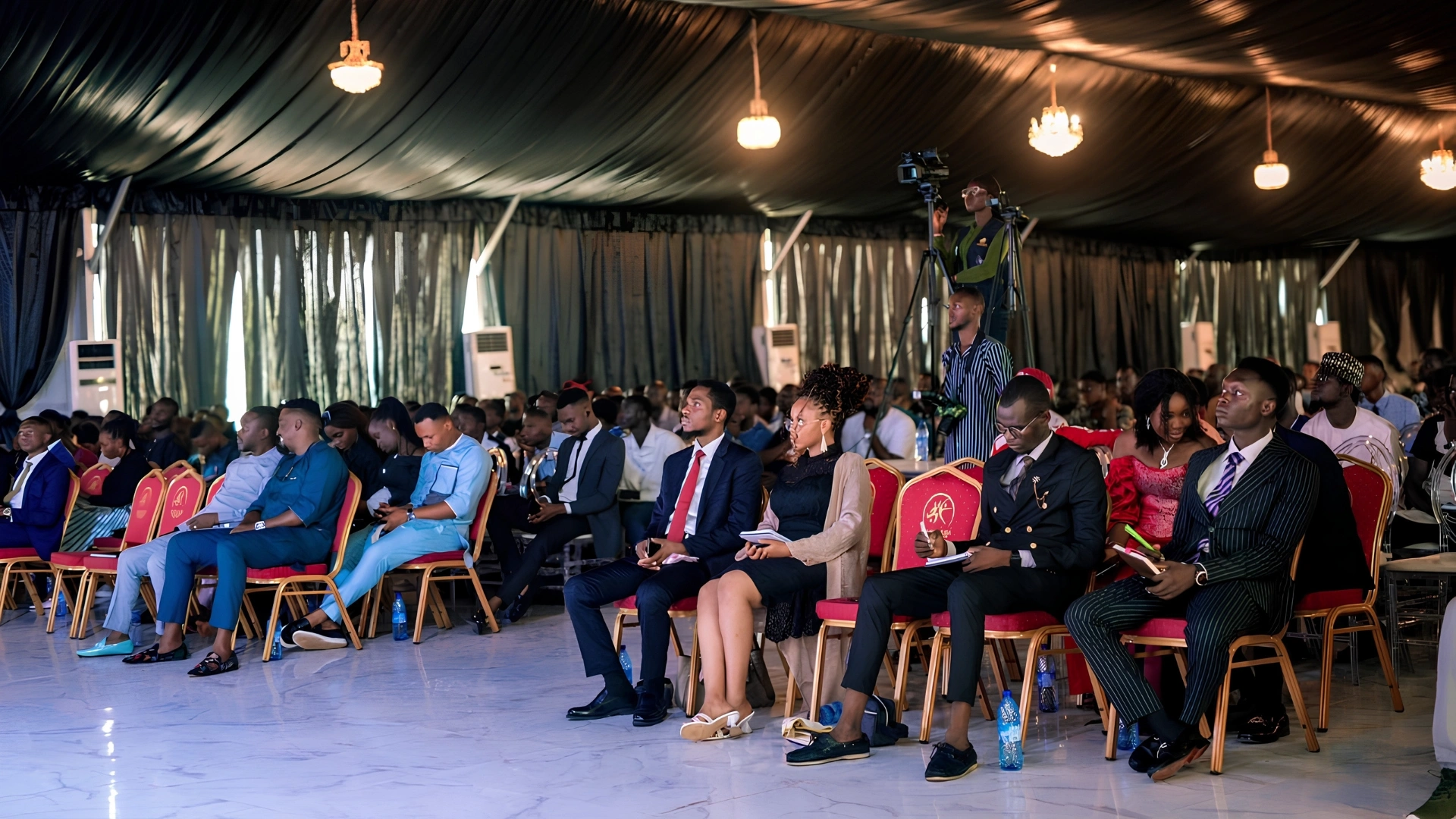
Nigeria’s emerging regulatory framework for online forex and Contracts for Difference trading is expected to take centre stage at the Lagos Finance Summit 2026, which will bring brokers, proprietary trading firms, fintech companies, payment providers, banks, investors and traders together in Lagos in October.
The three-day event is scheduled to hold from October 14 to 16 at the Landmark Event Centre, Victoria Island.
Organisers expect more than 5,000 participants and over 100 exhibitors and platforms at the summit, which is being positioned as a meeting point between international financial-services companies and Nigeria’s growing community of retail traders and fintech businesses.
The event comes at a significant moment for the industry following the Securities and Exchange Commission’s publication of proposed Rules on Online Forex Trading and Contracts for Difference on September 1, 2026.
The proposals represent an attempt to establish a clearer regulatory framework for an industry in which many Nigerians currently access trading services through online and offshore platforms.
Under the proposed rules, the regulatory framework would extend to introducing brokers, online forex brokers and broker-dealers, technology and platform providers, as well as offshore companies targeting customers resident in Nigeria.

The SEC’s proposed definition of offshore entities is broad.
It includes platforms that list Nigeria as a supported country, allow Nigerian residents to maintain trading accounts, market their services to Nigerians or use Nigerian influencers, affiliates, introducing brokers, training providers and other channels to reach the domestic market.
This could have significant implications for international trading platforms that currently serve Nigerian customers without a substantial physical presence in the country.
The proposals also contain capital, operational, client-protection and registration requirements for different categories of market participants.
Importantly, however, the SEC document remains a proposed regulatory framework. The provisions are not yet final rules and may be amended following the Commission’s consultation and rule-making process.
Against that background, organisers of the Lagos Finance Summit say regulation will form a significant part of discussions at the October event.
A dedicated Regulation Forum is scheduled for Thursday, October 15, bringing together brokers, introducing brokers, banks, technology providers, legal practitioners and traders to examine the proposed framework.
According to the organisers, participants will consider the proposals and develop an industry response for submission to the SEC.
The timing could make the summit particularly relevant for operators already serving Nigerian customers and international companies considering entry into the market.
Nigeria has developed a substantial community of retail forex and proprietary traders, much of it built around digital platforms and international brokers.
However, precise estimates of the size of the market vary considerably across industry sources, making definitive comparisons with other African markets difficult.
The SEC proposals nevertheless indicate increasing regulatory attention towards the sector.
The Commission’s proposed framework does not limit its reach to companies incorporated in Nigeria. Offshore businesses could potentially fall within the regulatory scope where their activities demonstrate an intention to provide online forex or CFD trading services to Nigerian residents.
That provision could reshape the relationship between Nigerian retail traders and international platforms if incorporated into the final rules.
Major international gatherings serving the retail trading, brokerage and fintech industries have traditionally taken place in financial and commercial centres including Dubai, Limassol, Cape Town and Bangkok.
Lagos Finance Summit organisers believe Nigeria’s large population, expanding fintech industry and active retail-trading community provide a case for hosting more of those conversations locally.
Musa Kabul, Head of Marketing and Promotion at LFS, said bringing industry participants together physically in Lagos could change the way international platforms engage with the Nigerian market.
“For years the platforms that serve millions of Nigerian traders have met each other in Dubai and Cyprus, and met their Nigerian clients through a support ticket,” Kabul said.
“That is where the next phase of this market gets decided by the people in it.”
The summit is expected to include exhibitions, keynote sessions, trading seminars, networking programmes and discussions involving different parts of the financial-services ecosystem.
For Nigeria, however, the regulatory conversation may prove more consequential than the size of the exhibition floor.
Online forex and CFD trading involves significant risks, particularly for retail participants trading leveraged products. Establishing clearer rules around who may offer those services, how client funds are handled, how platforms market to Nigerians and what protections customers receive could therefore have implications extending well beyond the companies attending the summit.
The SEC’s decision to publish proposed rules indicates that the regulatory environment surrounding the industry is changing.
Whether the final framework resembles the September proposals will depend on the outcome of the rule-making process.
For brokers, fintech companies, trading platforms and Nigerian retail traders, the Lagos Finance Summit will consequently take place while some of the rules governing their future relationship are still being written.

