 Follow Us on Google News
 Follow Us on Google Discover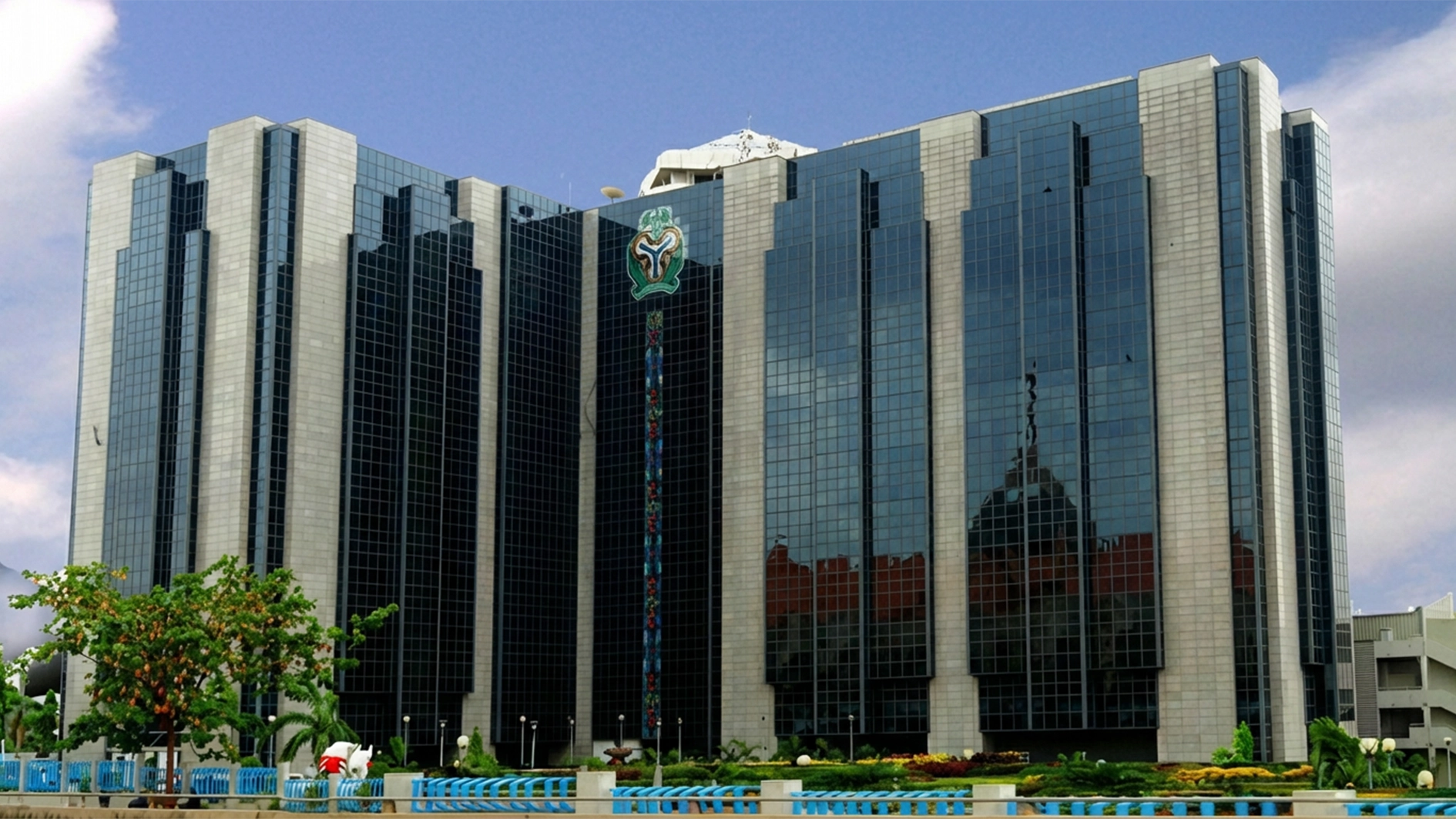
As the 304th meeting of the Monetary Policy Committee (MPC) of the Central Bank of Nigeria (CBN) gets underway in Abuja today, expectations of a downward movement in the monetary rate from its current 27 per cent may not be misplaced.
But with a 50-basis-point reduction in 2025, the downward slide in inflation may sway the perception of MPC members.
At its 303rd meeting, which was the last in 2025, MPC retained the monetary policy rate (MPR) at 27 per cent, the cash reserve ratio at 45 per cent for commercial banks and 16 per cent for merchant banks.
It also retained the 75 per cent CRR on non-TSA public sector deposits, retained liquidity ratio at 30 per cent, as well as the standing facilities corridor adjusted to +50 /-450 basis points around the MPR.
In 2025, the MPC maintained a high-interest rate environment to combat inflation before making a pivot toward easing in the latter part of the year. The MPC meeting took place five times last year, with the rate shedding 50 basis points within the period.
In the February 19-20, 2025, meeting, the rate was held at 27.5 per cent. In the May 19-20, 2025, meeting, the rate was maintained at 27.5 per cent. On July 21-22, 2025, the rate remained steadfast at 27.5 per cent while it heaved to 27 per cent, shedding 50 basis points at its September 22-23, 2025, meeting.

It also stayed at 27 per cent at its last meeting in November 2025.
The MPC insisted that its decision to cut the rate at its September meeting to 27 per cent was driven by a sustained decline in headline inflation to 20.12 per cent in August 2025 and a desire to boost growth.
Following the rebasing of the consumer price index (CPI) by the National Bureau of Statistics (NBS), Nigeria’s headline inflation experienced a significant downward trend in 2025, dropping below 20 per cent for the first time in three years by September and settling at 15.15 per cent in December 2025.
Inflation rates moderated throughout the year, driven by lower food prices.
According to data by the NBS, inflationary pressures began to ease in Q1/Q2, with April showing 23.7 per cent and July dropping to 21.88 per cent.
September headline inflation fell to 18.02 per cent, while in Q4, it further declined, with October’s staying at 16.05 per cent and further down to 14.45 per cent in November.
Also, food inflation has equally substantially reduced in the latter half of the year due to improved agricultural supply and harvest gains, hitting 13.12 per cent in October and contributing to the overall decline.
Cumulative factors that contributed to the reduction included base effects from the new index, improved FX market stability and better food supplies.
The 15.1 per cent figure for January 2026 marked the 10th straight monthly decline. This could, therefore, be a strong reason for MPC to move from a neutral policy stance to a rate cut era.
Even more encouraging was the food inflation, which is a key driver of the headline rate, standing at 8.89 per cent year on year in January, down from 10.84 per cent in December.
But an investment banker, Tolulope Alayande, urged caution, saying the MPC may still need a few months to fully ascertain the price direction before deciding on a rate cut.
He noted: “Well, on the surface, the Nigerian economy is doing very well now with inflation receding to below 10 per cent, looking achievable this year and the FX going below N1,400/$. But I still think it will be unwise to rush into a rate cut at this early stage of the year.
“A clearer economic direction will emerge from next quarter, especially with geopolitical tensions in the Middle East still cloudy. The price of oil is still not stable. The government needs to pay close attention to that. For me, I will adopt a cautious approach.”
A retired banker, Mohammed Ande, towed the same line of thought as Alayande.
“I understand why the business community is desperate for a rate cut. That will lead to a reduction in borrowing, which is very high. In the same vein, investors who borrow government money through some instrument will also be wishing the rate is kept up for much longer. Consumers are also expecting a lower rate so that the cost of living can come down.
“I think these are all valid, but the MPC must be dispassionate in its decision. The country is in the consolidation stage. Therefore, stability must be prioritised above short-term gain. Holding the rate looks to be a win-win situation that benefits all the sides in one way or the other,” he said.

