 Follow Us on Google News


 Follow Us on Google Discover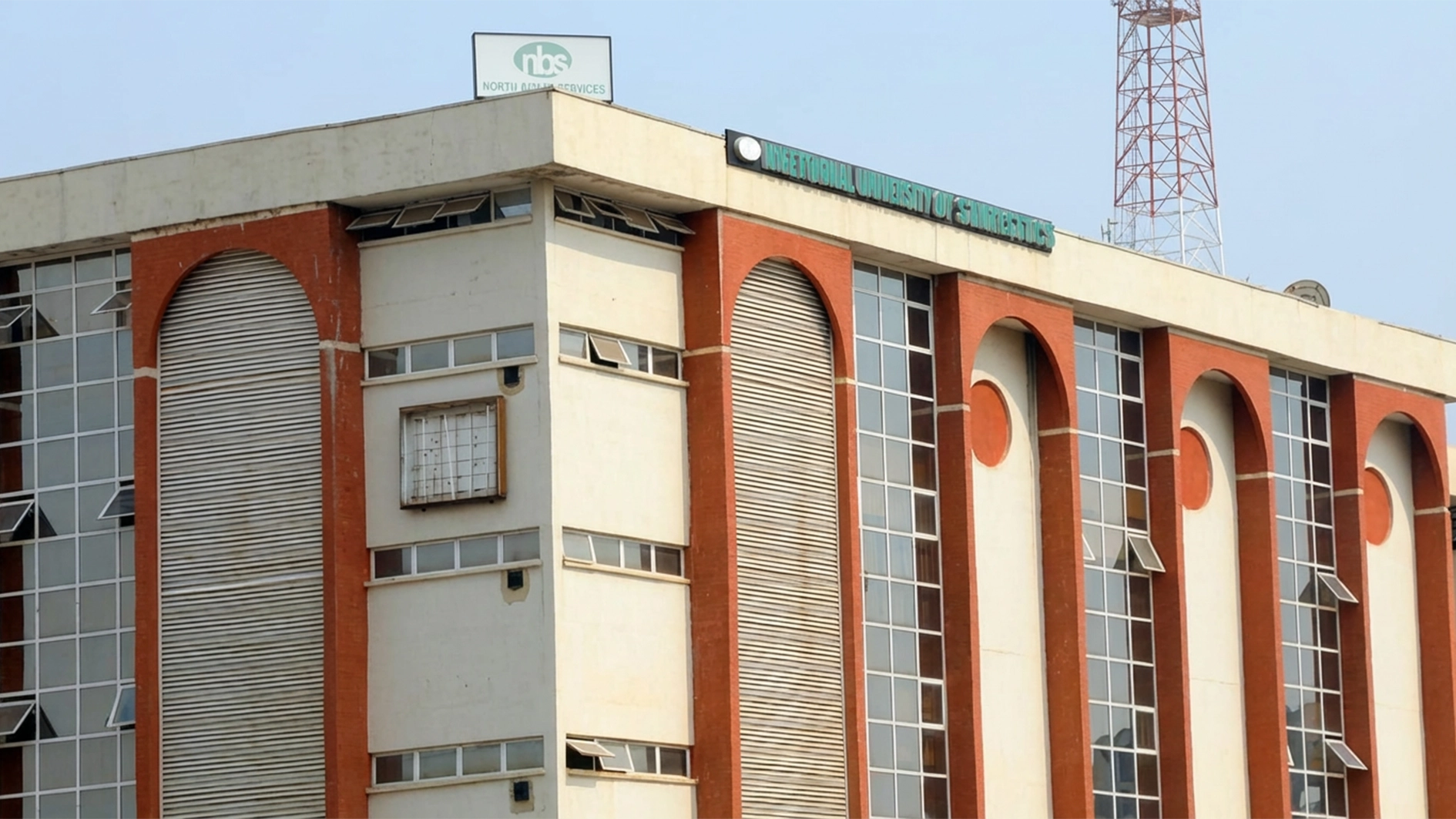
Nigeria’s economic landscape will dominate business conversations this week as the Nigerian Bureau of Statistics (NBS) prepares to release a fresh batch of key macroeconomic reports, while developments in banking, aviation, telecommunications and energy sectors continue to shape investor sentiment.
The NBS is expected to publish Nigeria’s gross domestic product (GDP) report for the first quarter of 2026, a closely watched indicator that will provide insight into the pace of economic growth amid persistent inflationary pressures, foreign exchange volatility and ongoing reforms by the federal government.
Analysts and investors are expected to monitor the report for signals on the performance of major sectors including oil and gas, agriculture, manufacturing, telecommunications and services, as policymakers intensify efforts to stabilise the economy and boost productivity.
Alongside the GDP figures, the bureau is also set to release the country’s capital importation report for Q1 2026, which will reveal the volume and sources of foreign investments flowing into Africa’s largest economy.
The report is expected to offer clarity on investor confidence in Nigeria’s economy following recent reforms in the foreign exchange market, monetary tightening measures by the Central Bank of Nigeria (CBN), and attempts to improve fiscal stability.
The NBS will also publish data on Nigeria’s liquefied natural gas (LNG) price for April 2026, amid heightened global energy market volatility and shifting international demand dynamics.

Meanwhile, the spotlight will also be on the African Development Bank (AfDB) as the institution begins its 2026 annual meetings in Brazzaville, Republic of Congo, from May 25 to May 29.
The meetings, holding at the Kintele International Conference Centre, are themed: “Mobilising Africa’s Development Financing at Scale in a Fragmented World.”
According to the bank, deliberations during the five-day event will focus on Africa’s widening infrastructure financing gap, declining development funding flows, and the impact of global geopolitical tensions and economic uncertainty on the continent’s growth prospects.
The AfDB warned that Africa is currently at a critical stage in its development trajectory, stressing that fragmented global economic conditions are increasing pressure on governments seeking financing for infrastructure, industrialisation and social investments.
Industry leaders, policymakers, investors and development finance institutions are expected to participate in discussions aimed at identifying innovative financing solutions for Africa’s long-term development.
In the private sector, billionaire industrialist Aliko Dangote has disclosed plans by the Dangote Group to raise about $2 billion through a private placement for the Dangote refinery.
Dangote made the disclosure during a visit by Femi Otedola, chairman of firstholdco.com, to the refinery facility on May 20.
He also revealed that the company may proceed with the long-anticipated initial public offering (IPO) of the refinery by September 2026, citing overwhelming investor interest reportedly running into billions of dollars.
Market analysts say the planned fundraising could strengthen the refinery’s operational capacity and deepen private sector participation in Nigeria’s downstream petroleum industry.
In the aviation sector, the Nigerian Civil Aviation Authority (NCAA) has sanctioned 11 domestic airline operators over unpaid financial obligations.
The action followed an internal directive issued by the agency’s director-general and communicated through a memo dated May 22, signed by Olufemi Odukoya, the NCAA’s director of finance and accounts.
Under the directive, all NCAA directorates were instructed to deny services to the affected airlines until their outstanding debts are settled.
The move underscores ongoing regulatory efforts to enforce financial compliance within Nigeria’s aviation industry, which has continued to grapple with rising operational costs, foreign exchange challenges and infrastructure deficits.
Similarly, the Nigerian Communications Commission (NCC) has commenced a comprehensive review of Nigeria’s telecommunications policy introduced in 2000, describing the current framework as outdated and no longer aligned with the realities of the modern digital economy.
Speaking at the National Telecommunications Policy Review Workshop in Lagos, Hadiza Usman, special adviser to the president on policy and coordination, said rapid changes in technology, economic activities and national security concerns made the review imperative.
According to her, Nigeria’s telecommunications landscape has evolved significantly over the past two decades, requiring a modern regulatory framework capable of supporting digital innovation, cybersecurity, broadband expansion and emerging technologies.
Stakeholders in the ICT sector believe the policy review could pave the way for stronger digital infrastructure development and improved regulatory efficiency as Nigeria pushes to accelerate its digital transformation agenda.

