 Follow Us on Google News


 Follow Us on Google Discover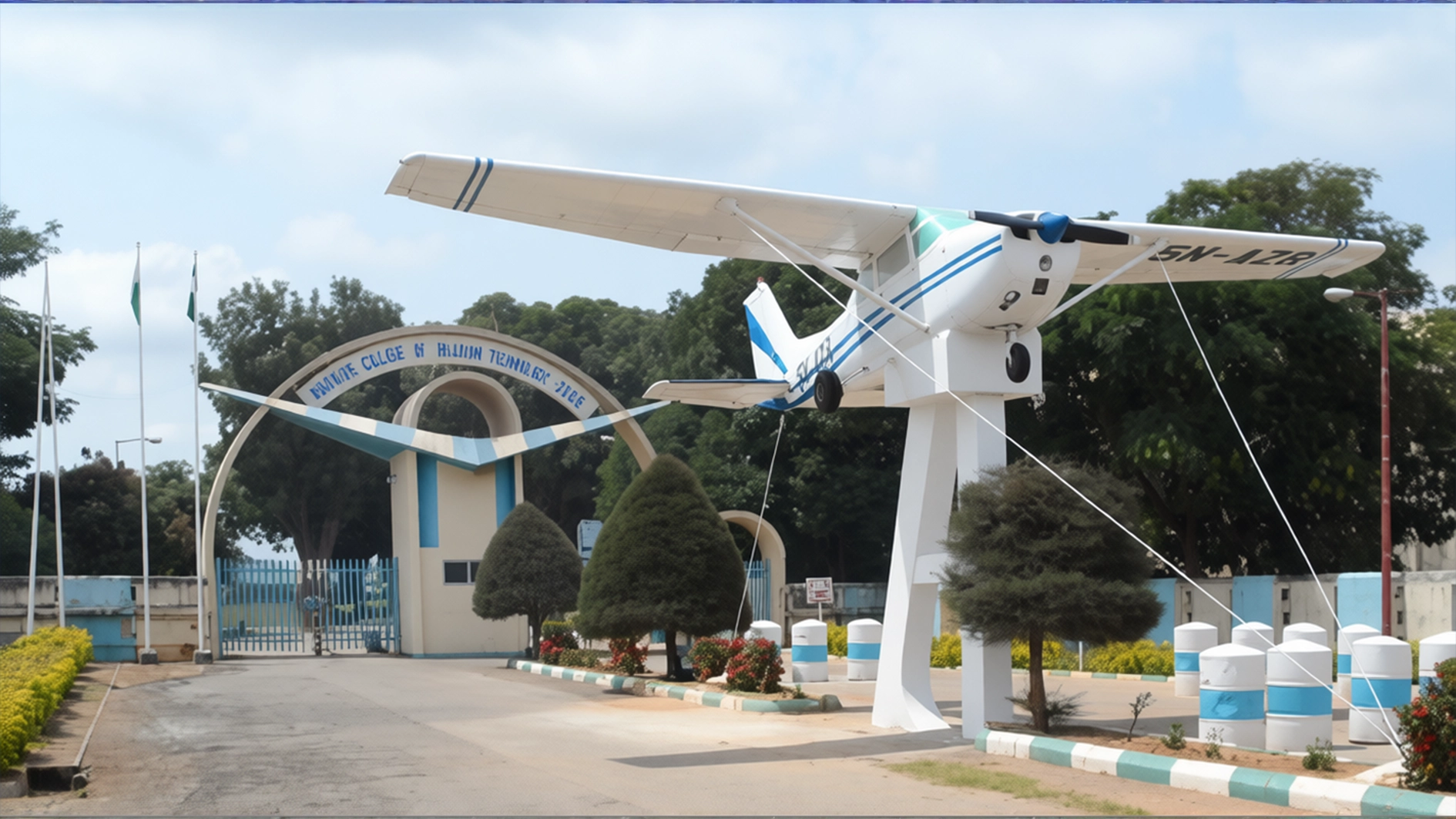
The Nigerian College of Aviation Technology (NCAT), Zaria, has intensified efforts to complete its perimeter fencing project as part of measures to curb encroachment by the neighbouring communities and enhance operational safety.
The Rector of the college, Dr Danjuma Ismaila, disclosed this to aviation journalists in Lagos during an interview.
Ismaila explained that the fencing project, which was previously about 50 per cent completed, had, over the years, exposed the institution’s land to encroachment.
According to him, contractors have now been mobilised back to the site to fast-track completion, noting that the move would significantly improve security and safety, particularly for flight operations.
He said: “Besides, we have improved on our perimeter fencing, which was only about 50 per cent complete before now. This has led to the encroachment of the school’s land by neighbouring communities, which we have been battling over the years, even legally.
“Now, the contractors have been mobilised to the site. This will increase our security and safety for the operations of our flights.”

Ismaila also revealed that the college had upgraded critical infrastructure, including its air traffic control simulator, thereby expanding its capacity to train more personnel in air traffic management and surveillance.
He explained that the development addresses concerns previously raised by the Nigerian Airspace Management Agency (NAMA) over the institution’s limited capacity to meet its training needs.
The rector further disclosed that the college was working towards awarding a contract for the renovation of its runway, while also intensifying staff training and licence renewal programmes to ensure personnel remained up to date with industry standards.
“Also, we are working towards awarding a contract for the renovation of the runway. And all our staff who have not been appropriately trained, we have been giving them appropriate training.
“Some of them have to renew their licenses through our capacity building projects and we ensure that they are up to date in terms of training delivery. Basically, these are what we can say we have achieved in the last year,” he said.
He, however, mentioned funding as one of the challenges facing the institution in attaining its full potential as a leading aviation training college in Africa.
He compared the college with Ethiopian Aviation University, which he said had benefited from strong government support and currently boasts of over 30 trainer aircraft, compared to NCAT’s nine.
Ismaila stressed that additional funding by the Federal Government or the National Assembly would enable the acquisition of more trainer aircraft, thereby increasing training capacity.
The rector lamented that despite high demand for pilot training, the college could only admit about 25 students out of over 100 applicants due to limited resources.
He added that NCAT’s Commercial Pilot Licence (CPL) programme, which runs for 18 months, was significantly cheaper than similar training abroad, with fees currently at about N23 million, compared to approximately $75,000 charged in Ethiopia.
On internally generated revenue (IGR), Ismaila said the college recorded an increase of between 25 and 30 per cent over the past year, attributing this to improved international visibility and stronger collaboration with key stakeholders.

