 Follow Us on Google News


 Follow Us on Google Discover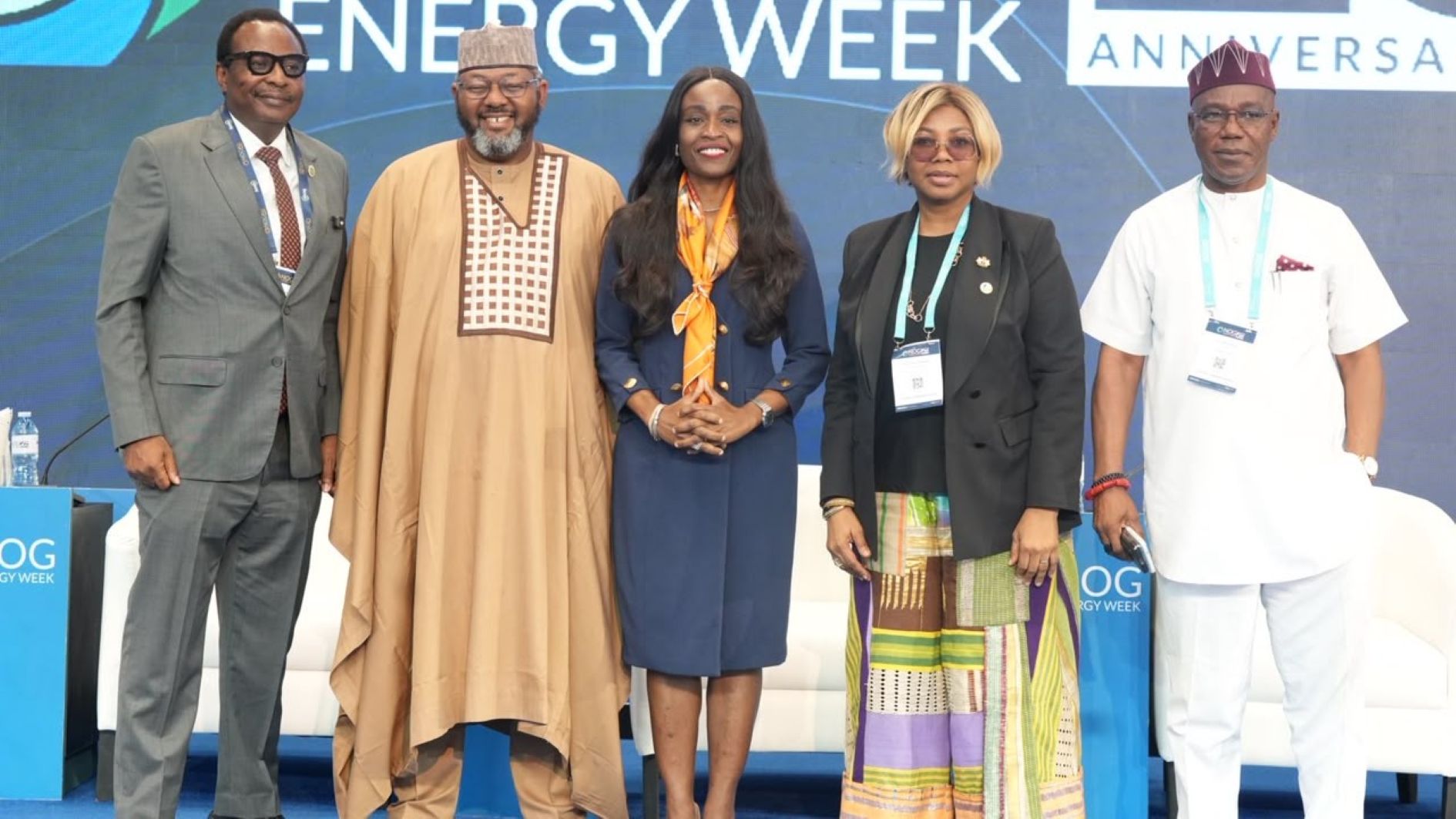
Nigeria is intensifying efforts to make domestic gas infrastructure projects bankable as the country seeks to attract private investment to bridge an estimated $200 billion funding gap needed to unlock its vast gas resources.
The move was part of discussions at the Nigerian Oil and Gas (NOG) Conference in Abuja, where the Executive Director of the Nigerian Midstream and Downstream Gas Infrastructure Fund (MDGIF), Oluwole Adama, said government’s intervention was shifting from direct financing to de-risking projects capable of attracting commercial capital.
Nigeria requires about $20 billion yearly over the next decade, approximately $200 billion, to build infrastructure needed for a competitive domestic gas market, Adama noted.
He argued that the industry’s priority should be to make projects sufficiently bankable to unlock institutional and private-sector financing.
Speaking during a panel on boosting the domestic gas market, Adama argued that Nigeria’s domestic gas agenda was no longer solely about increasing production but about ensuring that gas translates into industrial growth, energy security and improved living standards.
“Economic growth tells us the economy is getting bigger; economic development tells us Nigerians are getting better off. A well-functioning domestic gas market should deliver both,” he said.

According to him, expanding domestic gas utilisation would increase investment and output in the short term while delivering longer-term gains through cheaper energy, industrial productivity, employment creation and reduced energy poverty.
His comments reinforce the Federal Government’s Decade of Gas initiative and President Bola Tinubu’s Renewed Hope Agenda, both of which position natural gas as the transition fuel for powering industries, transport and electricity while diversifying Nigeria’s economy.
Despite possessing more than 200 trillion cubic feet of proven gas reserves, Nigeria continues to face severe infrastructure deficits that have constrained domestic gas utilisation and discouraged private investment.
The Federal Government targets increasing domestic gas supply to 10 billion standard cubic feet per day (Bscf/d) by 2027 and 12 Bscf/d by 2030, ambitions that industry experts believe could not be realised without substantial private sector participation.
Adama said the MDGIF, established under Section 52 of the Petroleum Industry Act (PIA), was created to close the financing gap by supporting commercially viable projects with strategic national impact rather than acting as a grant provider.
“Our mandate is not merely to finance projects; it is to unlock markets,” he said.
Although the fund became operational only about 18 to 20 months ago, Adama disclosed that it has received more than 350 project proposals, highlighting strong investor interest in Nigeria’s gas value chain.
However, he noted that many applications fail because project promoters approach financiers before completing critical preparatory work.
“The perception is that financing is the biggest challenge, but financing is often the last hurdle. Projects reach financial close only after they become bankable,” he said.
According to him, most delays occur during project preparation, commercial structuring and risk allocation rather than at the financing stage itself.
He identified inadequate feasibility studies, incomplete front-end engineering designs (FEED), environmental approvals, weak commercial agreements and uncertain gas offtake arrangements as the principal reasons projects struggle to secure investment.
Investors, he stressed, are looking beyond the availability of gas resources.
“They are not investing in gas molecules; they are investing in confidence, predictability and execution.”
Adama said financiers require stable regulations, credible project sponsors, secure long-term gas sales agreements, strong financial returns, environmental and social governance compliance, and consistent government policy before committing capital.

