 Follow Us on Google News


 Follow Us on Google Discover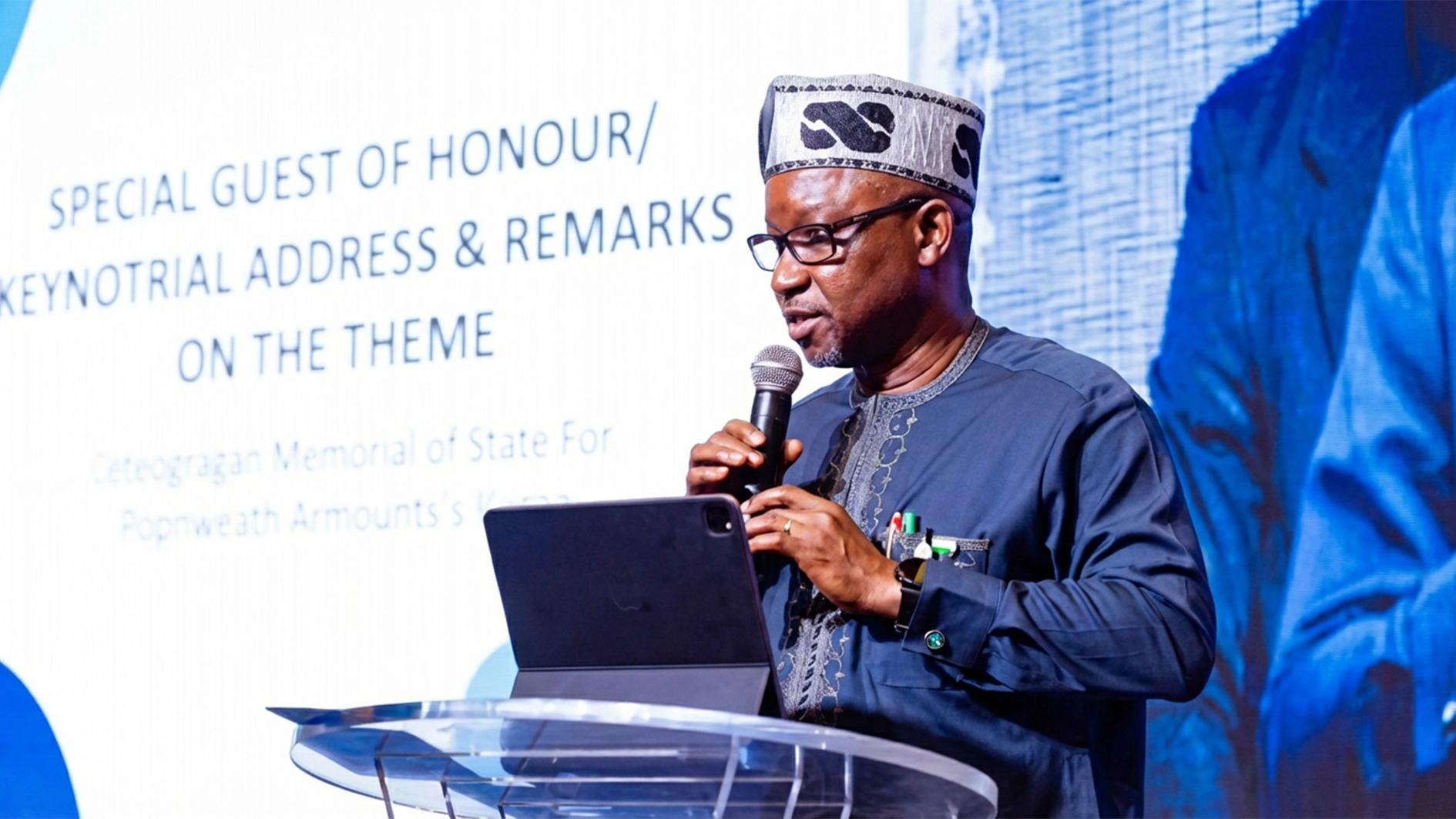
Nigeria has intensified efforts to drive regional gas integration across Africa, as government officials, financiers and industry leaders convened in Abuja to advance cross-border investments and infrastructure development.
The event – the Ministerial Roundtable on Cooperation in Advancing Gas Development with Regional Impact Across Africa, co-hosted by Nigeria’s Decade of Gas Programme and the World Bank – highlighted coordinated execution as a key constraint to unlocking the continent’s energy potential.
The meeting, which was held between March 30–31, brought together delegates from across West Africa, including Senegal, Togo and Benin, signalling a shift from fragmented national gas strategies towards a unified regional system built on shared infrastructure, harmonised regulations and aggregated demand.
The development comes as Africa seeks to translate its gas reserves into a reliable energy supply and bankable projects, particularly as over 600 million people on the continent lack access to electricity.
Nigeria, with over 210 trillion cubic feet of proven gas reserves, is positioning its Decade of Gas initiative as both a domestic expansion strategy and a regional coordination platform. The programme targets gas production exceeding 12 billion cubic feet per day by 2030, alongside increased domestic utilisation and industrial application.
Speaking at the roundtable, the Minister of State for Petroleum Resources (Gas), Ekperikpe Ekpo, stressed the need for collective action.
“Africa’s energy future will not be determined by the abundance of our resources, but by our ability to act together,” he said.
“The challenge before us is not resource availability, but coordination, infrastructure, and collective action,” he said.
Regional stakeholders also signalled stronger alignment. Togo’s Minister of Mines and Energy Resources, Robert Eklo, said energy remained central to industrialisation and affirmed his country’s commitment to deeper collaboration with Nigeria.
“There is no industrialisation without energy availability and affordability. Togo is ready to strengthen collaboration with Nigeria under the Decade of Gas initiative and expand its role in regional infrastructure, including the Africa Atlantic Gas Pipeline,” he said.
Discussions at the roundtable focused on translating political commitments into investable projects, particularly in cross-border pipelines, liquefied natural gas infrastructure and gas-to-power initiatives.
The World Bank reiterated its support through policy advisory, technical assistance and risk mitigation tools aimed at attracting private sector investment.
Recent upstream developments, including Senegal’s emergence as a gas exporter, are reshaping West Africa’s energy landscape.
However, stakeholders noted that connecting these assets into an integrated regional system remains critical to meeting industrial demand, boosting power generation and enhancing intra-African trade.
Also speaking, the Coordinating Director of the Decade of Gas programme, Ed Ubong, said production targets would be pursued alongside broader regional collaboration.
“These targets are ambitious, but they are not being pursued in isolation,” he said, noting increasing alignment among governments, financiers and industry players.
With the roundtable concluded, attention is expected to shift to implementation, including the development of project pipelines, financing frameworks and working groups to drive execution across the region.
The outcome underscores a shift in focus from resource availability to coordinated execution across the region.

