The Ministry of Marine and Blue Economy disclosed that Nigeria recorded an increase of 300,000 metric tonnes in fish production in 2025.In a statement issued by the Spokesman for the Minister, Dr Bolaji Akinola, the feat was the first rise in over a decade.
He described the production boost as a clear testament to the minister’s determination to reduce and ultimately eliminate the country’s heavy dependence on fish importation, while boosting food security, employment and value creation across the fisheries and aquaculture value chain.
While assuring of the minister’s commitment to boost fish production, Akinola also highlighted a series of reforms and far-reaching interventions spearheaded by the Minister, Adegboyega Oyetola, last year.
According to him, the marine and blue economy sector has been decisively unlocked for genuine growth and development under Oyetola’s leadership, with several long-standing jinxes once thought permanent, but successfully broken. He said the minister’s actions since assuming office in August 2023 and most notably throughout 2025 have dismantled obstacles that constrained the sector for decades.
These reforms, he noted, have restored confidence, improved performance and repositioned the marine and blue economy as a critical pillar of Nigeria’s economic diversification agenda.
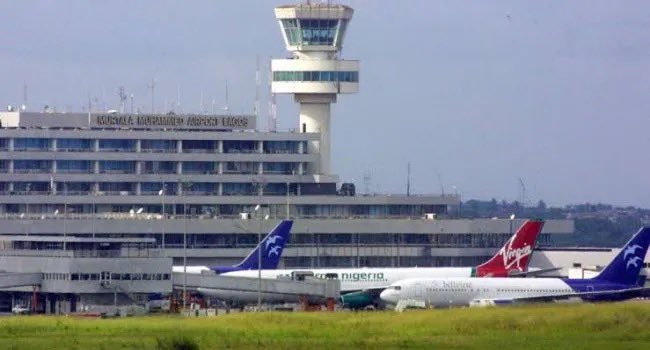
He said foremost among these achievements was the resolution of the notorious Apapa gridlock, which for over 20 years paralysed the Lagos port corridor and severely disrupted trade.
“By early 2024, sustained policy coordination, operational discipline and infrastructure optimisation delivered lasting relief to Apapa and its environs. The clearing of the gridlock significantly reduced cargo dwell time, lowered logistics costs, enhanced port efficiency and removed a major disincentive to investment, effectively restoring the Lagos ports as functional gateways for national and regional commerce, ” he said.
Another long-standing setback, according to the Special Adviser, was Nigeria’s prolonged absence from the International Maritime Organisation (IMO) Council.
He noted that Nigeria’s return to the IMO Council in 2025, after 14 years outside the global maritime decision-making body, followed a keenly contested election and marked a major restoration of the country’s international maritime standing.
He said the feat strengthened Nigeria’s influence in shaping global maritime regulations, reinforced its leadership role in Africa and reaffirmed international confidence in its maritime governance.
Akinola disclosed that the Minister secured approval in 2025 for Nigeria’s first comprehensive port upgrade and modernisation in over 50 years, breaking another jinx that left the nation’s ports operating on obsolete infrastructure.
This milestone, he said, signals the beginning of a transformative era that will align Nigerian ports with global standards, boost competitiveness, attract larger vessels and position the country as a maritime and logistics hub for West and Central Africa.
The Special Adviser also highlighted the establishment of the Regional Maritime Development Bank (RMDB) in 2025 as the resolution of a 16-year stalemate that had stifled access to maritime finance.
With the RMDB now in place, he said long-term funding is expected to flow into shipping, port development and maritime services, providing the financial backbone required for sustained sectoral growth and deeper regional integration.
Looking ahead, he assured that the Minister remains firmly committed to supporting indigenous ship owners and pursuing policies that will enable them to thrive and compete on equal footing with foreign operators.