• Dangote supplies 32m litres daily, marketers import 42.2m ltrs
• Says removal of corrupt regulators unlocked 50m litres daily output
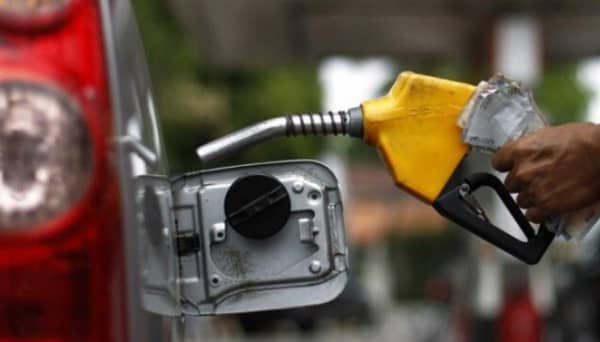
Nigeria spent an estimated N1.7 trillion on Premium Motor Spirit (PMS) in December 2025 as daily consumption of the fuel climbed sharply to a record 63.7 million litres per day.
The development was driven by rising domestic supply from the Dangote Petroleum Refinery and sustained imports by marketers, official data have shown.
However, President of the Dangote Group, Aliko Dangote, attributed the recent development in the daily offtake of 50 million litres of PMS to the recent regulatory reforms by President Bola Tinubu, including the removal of officials in Nigeria’s downstream petroleum sector whom he described as corrupt, saying the changes improved operations at the refinery.
Figures released yesterday by the Nigerian Midstream and Downstream Petroleum Regulatory Authority (NMDPRA) indicate that PMS consumption rose from 52.9 million litres per day in November and 56.74 million litres per day in October, showing a renewed pressure on Nigeria’s fuel market, a development which appeared to be returning to pre-subsidy removal era, when consumption figures were blamed on smuggling.
Petrol prices in December ranged between N837 and N920 per litre, placing the average pump price at about N878.50 per litre. By implication, Nigerians spent roughly N55.9 billion daily on petrol during the month, translating to about N1.7 trillion in total expenditure.
The surge in consumption coincided with a significant jump in supply from the Dangote Petroleum Refinery and Petrochemicals (DPRP), which delivered 32.012 million litres of PMS per day in December, up from 19.5 million litres per day in November. NMDPRA said the refinery was operating at about 62 per cent capacity, noting that while Dangote had pledged to supply 50 million litres per day, actual deliveries remain well below that target.
In addition to petrol, the Dangote refinery contributed 5.783 million litres per day of Automotive Gas Oil (diesel) to the domestic supply.
Despite the progress, imports remain dominant. NMDPRA data show that oil marketing companies and the Nigerian National Petroleum Company Limited (NNPCL) imported an average of 42.2 million litres of PMS per day in December, meaning that imports still accounted for more than half of the total supply.
Nigeria’s state-owned refineries continue to offer no relief.
The Port Harcourt, Warri and Kaduna refineries remained shut throughout the period, with no PMS production recorded. However, limited evacuation of previously produced diesel from Port Harcourt Refinery averaged 0.247 million litres per day, drawn from volumes produced before the refinery shut down on May 24, 2025.
Among modular refineries, output remained marginal. Watersmith Refinery operated at an average capacity utilisation of 63.24 per cent, supplying about 0.051 million litres of diesel per day, but was only active for 13 days due to the pre-commissioning of a second processing train. Edo Refinery, with utilisation of 85.43 per cent, supplied 0.052 million litres per day, while Aradel Refinery, operating at 53.89 per cent, delivered 0.289 million litres per day. Other modular plants, including OPAC and Duport, remained offline and have not produced since NMDPRA began publishing refinery data in October 2025.
He said: “In the last couple of days, we’ve had a bit of peace when the President threw away most of the corrupt people who are actually our own regulators. Right now, to give you the good news is that we have actually been doing an average of 49 to 50 million litres of loading at our refinery every day.”
Speaking at this year’s Customer Celebration and Distributor Awards, with the theme, ‘Partner for Growth’, organised by Dangote Cement Plc, Dangote said that by the time it launched the 4,000 CNG-powered tankers, which carry 50,000 litres each, it would significantly reduce transportation costs and improve the efficiency of fuel distribution across Nigeria.
“Our ambitions go beyond building factories. It is about building Africa’s capacity to feed itself, power its economy, develop its people, and drive sustainable industrialisation,” he emphasised.