 Follow Us on Google News
 Follow Us on Google Discover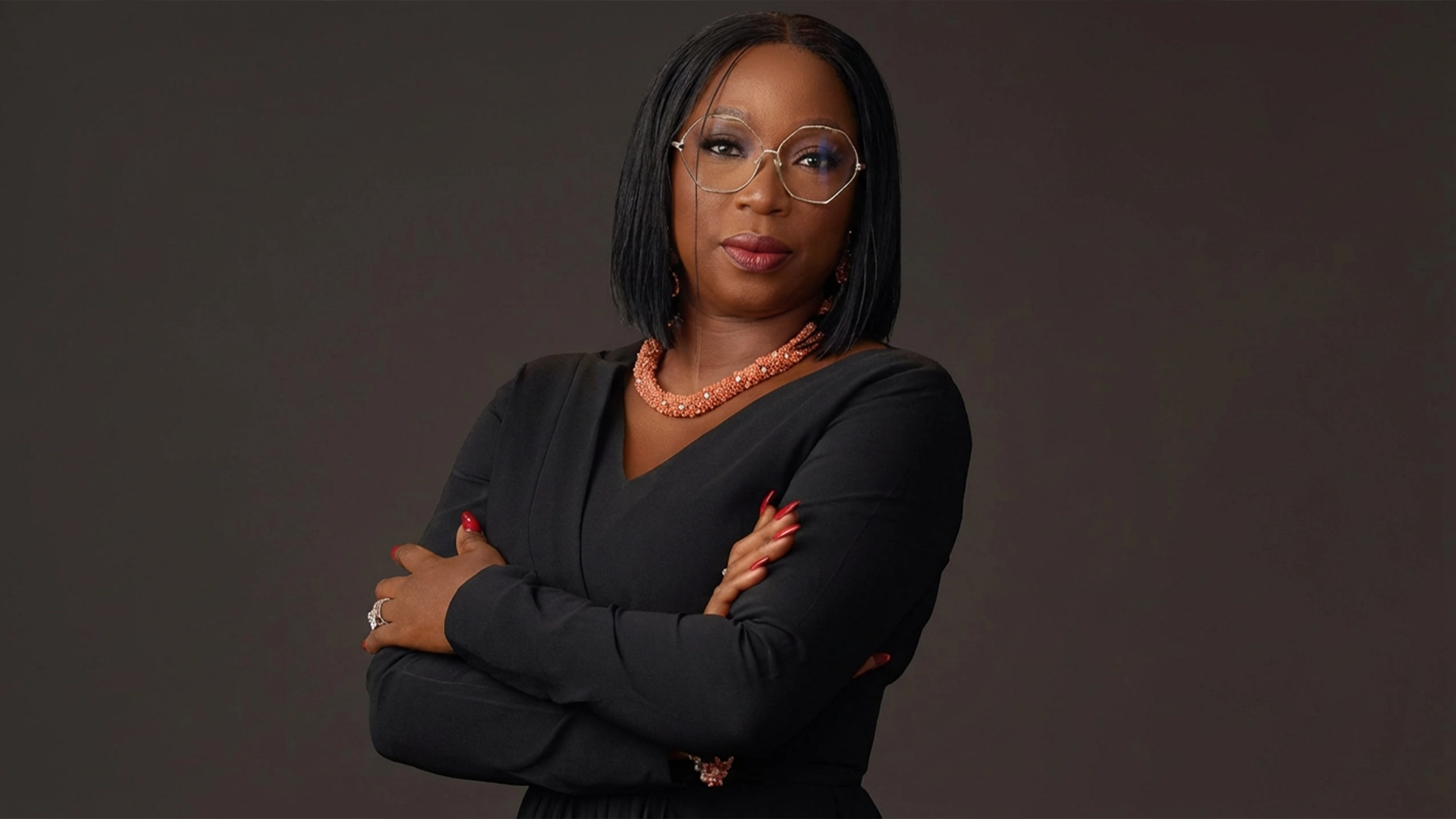
Mastercard has hinted that fiscal reforms and investments are unlocking new consumption and business activity in the country. This is according to Mastercard Economics Institute (MEI) ‘Economic Outlook 2026’, its yearly report, which identifies themes that will shape this year’s economic landscape. The report examined how global policy changes, which grabbed headlines in 2025, will continue to influence economies around the world throughout 2026.
It is informed that growth across Sub-Saharan Africa is expected to strengthen in 2026, supported by easing inflationary pressures, resilient consumer demand and infrastructure investment.
According to it, Nigeria’s economy is expected to expand by four per cent in 2026, outpacing the projected global growth of 3.1 per cent. Growth is expected to be driven by resilient consumer demand as fiscal reforms ease pressures on households and major investment programs support business activity.
Inflation pressures are forecast to be moderate across Africa, aided by a weaker U.S. dollar and lower energy prices, allowing room for central banks to reduce interest rates. Mastercard data indicated that in Nigeria, consumers have already increased their discretionary spending in the first half of 2025, most notably on travel, signalling growing consumer confidence.
Chief Economist, EEMEA, Mastercard Economics Institute, Khatija Haque, said: “Nigeria’s economic outlook highlights the benefits of reform momentum and slowing inflation, which are helping to restore purchasing power. While global trade pressures remain, strong domestic demand and diversification into strategic industries are expected to support growth in 2026.”
According to Country Manager, West Africa at Mastercard, Folasade Femi-Lawal, Nigeria’s reform momentum and improving business sentiment are unlocking new avenues for growth, from everyday consumer spending to the rise of technology-driven enterprises.

She said that with one of the continent’s most dynamic consumer markets, the outlook for 2026 highlighted Nigeria’s powerful role in shaping Africa’s economic future.
Key findings from the report include that structural reforms and moderating inflation are expected to improve household balance sheets, enabling consumers to spend more freely. It said demand for services, including travel, leisure and lifestyle, has already strengthened, according to Mastercard data.

