 Follow Us on Google News
 Follow Us on Google Discover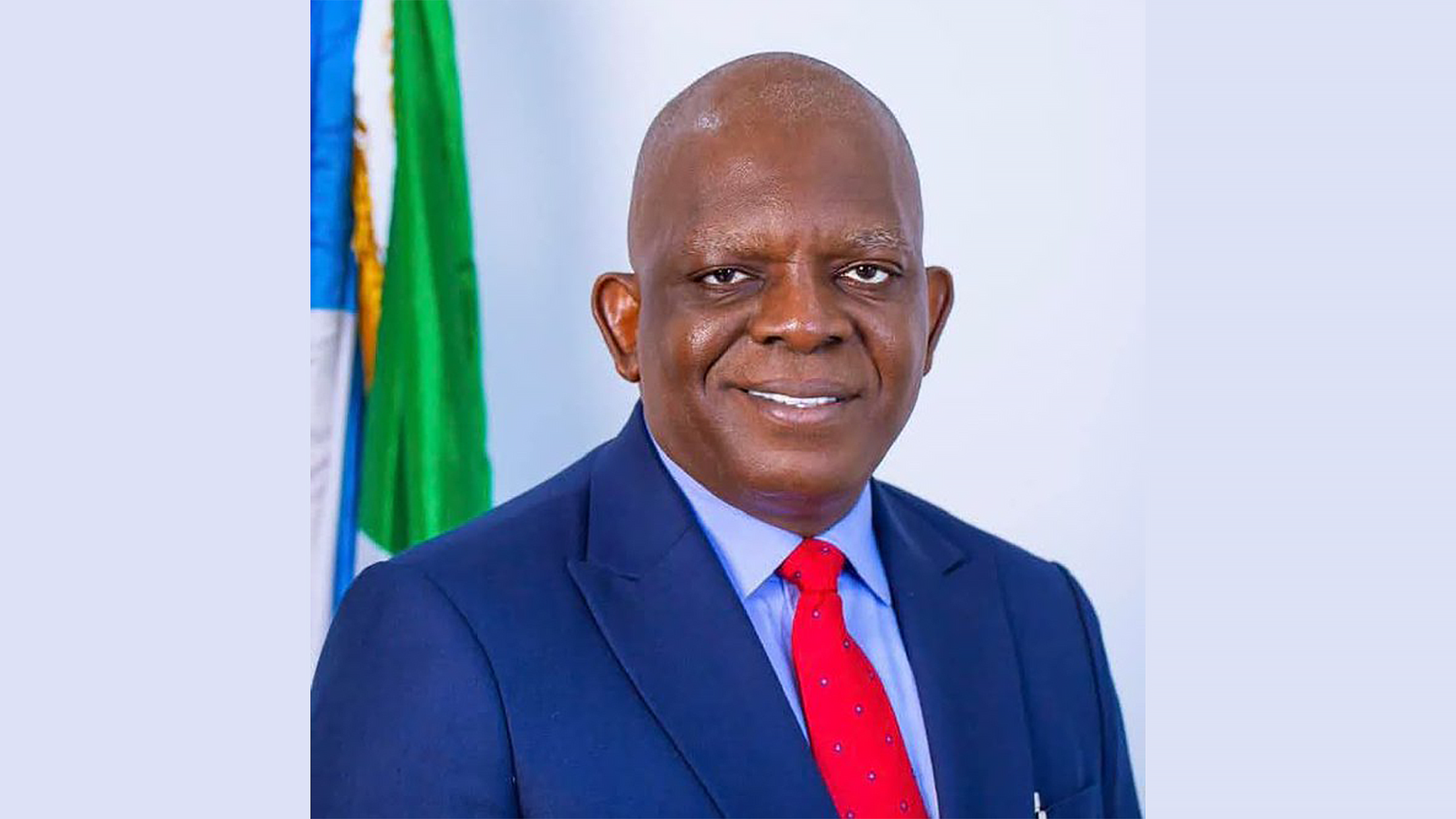
The Nigerian Ports Economic Regulatory Agency (NPERA) has vowed to apply the full weight of its new law against infractions, violations and disruptions of maritime activities, including imposition of fines and pursuing criminal prosecution where necessary.
Director General of NPERA, Dr Pius Akutah, stated this yesterday, when the executive members of the Maritime Correspondents’ Organisation of Nigeria (MARCON) visited the agency’s headquarters in Lagos.
Akutah said the NPERA Act 2026 has given the regulator extensive powers to sanitise the entire maritime sector and establish a level playing field for port users and service providers, while protecting investments, regulating tariffs and improving the competitiveness of the country’s ports.
He said the agency would not target any maritime service provider or user, but would operate as an impartial regulator to ensure that all players complied with established rules.
The NPERA boss also disclosed that the new regulatory regime enables the agency to generate revenue for the government through fines imposed on those who breach the law, while some offences could attract criminal prosecution and imprisonment.
He said the objective of the NPERA was not to create a “monster” administration but a deterrent regime capable of discouraging practices that negatively affect the logistics chain and trade in the maritime sector.

“The potency of the law is to help to sanitise the sector and we will have to apply the full weight of this law. That is the only time that deterrent regime will work to protect the investments that are made there,” he said.
The NPERA boss said the law would also strengthen alternative dispute resolution mechanisms in the maritime sector, given the lengthy and costly nature of litigation.
Akutah added that the legislation would further help Nigerian ports compete with their counterparts globally by promoting excellence among service providers and port users, to achieve the Federal Government’s $1 trillion economy target by 2030.
The director-general also disclosed that the agency was working with other government agencies to eliminate overlapping responsibilities in the maritime sector, noting that the Minister of Marine and Blue Economy, Adegboyega Oyetola, had played a critical role in preventing inter-agency rivalry during the development of the NPERA law.
According to him, agency heads were brought together by the minister to review the proposed legislation paragraph by paragraph and line by line before a common version was agreed and submitted to the National Assembly.
Akutah stated that the agencies’ heads signed every page of the agreed document before it was forwarded to the National Assembly, ensuring that the version eventually passed reflected the consensus reached by the agencies.
The NPERA boss further disclosed that the agency had commenced the process of handing over the Inland Dry Port development function to the Nigerian Ports Authority (NPA), in line with the directive of the minister.
Akutah expressed optimism that other agencies would also be magnanimous to hand over some responsibilities that are purely regulatory in nature, noting that the ministry was coordinating the transition to ensure that agencies operating within and outside the ministry were carried along.
Akutah lauded MARCON for its partnership with the agency and urged maritime journalists to continue to educate the public on the provisions of the new law and its implications for the sector.
On his part, the President of MARCON, Ismail Aniemu, commended the NPERA boss and his team on the enactment of the legislation, describing the development as a breakthrough for the country’s maritime industry.
He also acknowledged the efforts and sacrifices made by the agency in securing legislative backing for the new regulatory framework, bearing all the challenges involved in getting legislation through the National Assembly.
Aniemu noted that the achievement could not be treated as an ordinary accomplishment, stating that the NPERA Act, which provides a statutory framework for economic regulation of the ports, will give the maritime industry and the wider economy a major boost if properly implemented.
He urged Akutah to ensure that the new law translates into effective regulation capable of improving port competitiveness, reducing inefficiencies, supporting economic growth and positioning the country as the maritime hub of West and Central Africa.

