 Follow Us on Google News
 Follow Us on Google Discover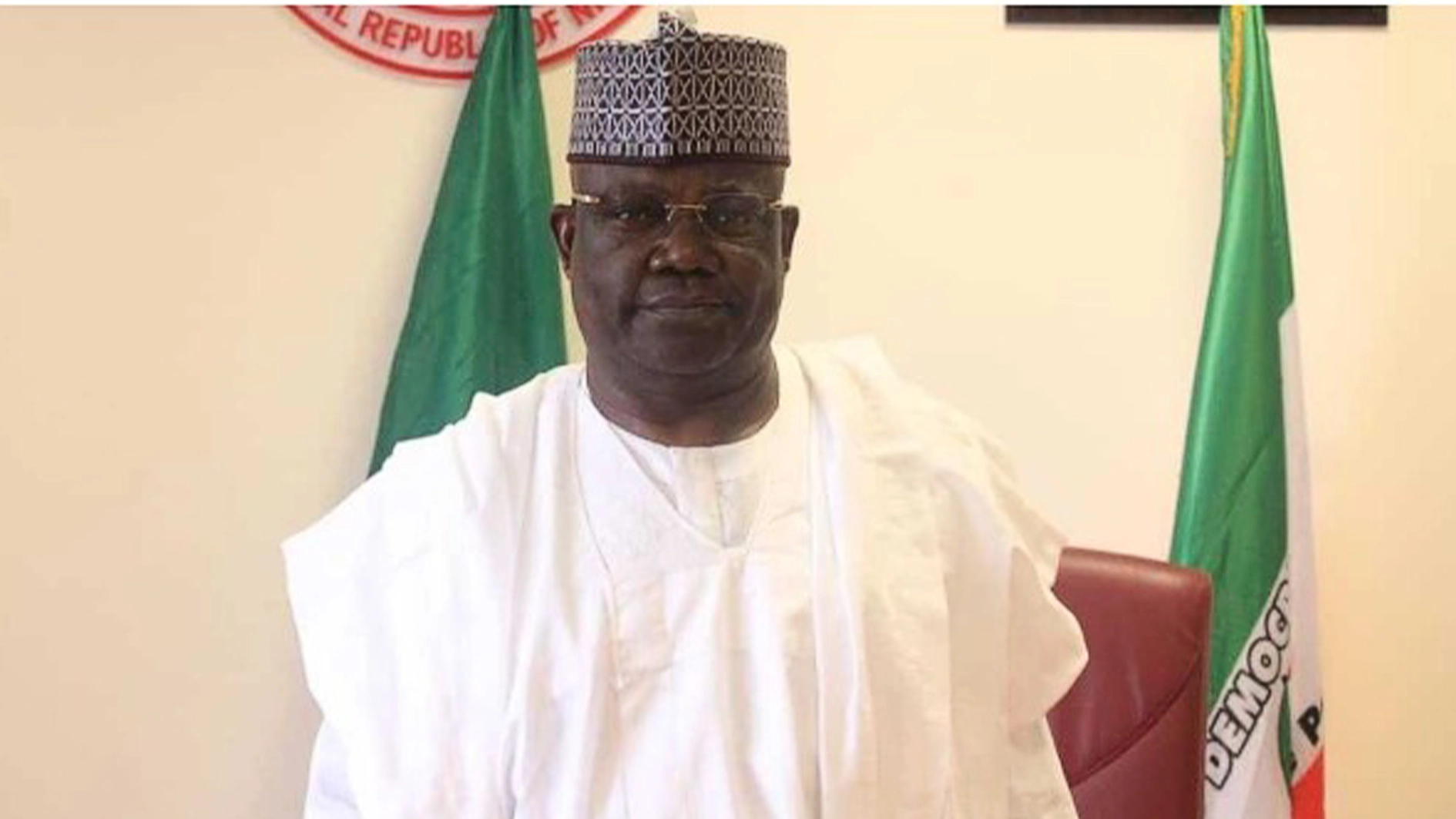
…Demands spending details
The Taraba state governorship candidate of the Peoples Democratic Party, PDP, Senator Emmanuel Bwacha, has challenged governor Agbu Kefas to account for an alleged $268 million loan secured from the ECOWAS Bank for Investment and Development, EBID.
The former Deputy Minority Leader of the Senate, who made the demand on Saturday in Zing local government council of the state while flagging off his campaign, alleged that the loan, reportedly secured in June 2026, had not been adequately accounted for, demanding explanations on its disbursement, expenditure and utilisation.
He said public borrowing must be accompanied by transparency, accountability, value for money and measurable benefits to the people.
“The $268 million ECOWAS Bank for Investment and Development loan obtained by Governor Agbu Kefas is missing in thin air. We demand to know the whereabouts of the money and what it has been spent on,” Bwacha said.
He noted that Taraba state and EBID signed three financing agreements in June 2026, reportedly valued at approximately $268 million, for the development of an integrated industrial park, 10,000 hectares of irrigated rice production and modern processing facilities, as well as a 50-megawatt solar photovoltaic plant in Jalingo.

The PDP candidate raised questions about the amount drawn from the facility, expenditure incurred, jobs created and the assets expected to remain after the projects are completed.
“What has been drawn? What has been spent? What value has been created? What jobs have been generated? What assets will remain for future generations? And what repayment obligations will ultimately fall upon the people of Taraba?” he asked.
Bwacha maintained that citizens had the right to demand explanations whenever public resources were committed through borrowing, stressing that such funds should translate into lasting development and tangible improvements in people’s lives.
He also expressed concern over infrastructure, public expenditure, borrowing, social services and the relationship between government and communities in the state.
According to him, governance should be measured by its impact on ordinary citizens, including farmers, civil servants, pensioners, young graduates, mothers seeking healthcare and children depending on public education.
“Government is not simply the possession of power. Government is the responsibility that comes with power,” he said.
Bwacha said Taraba needed a system of governance that connected public institutions with communities, created economic opportunities and ensured that state resources were converted into tangible benefits for residents

