 Follow Us on Google News


 Follow Us on Google Discover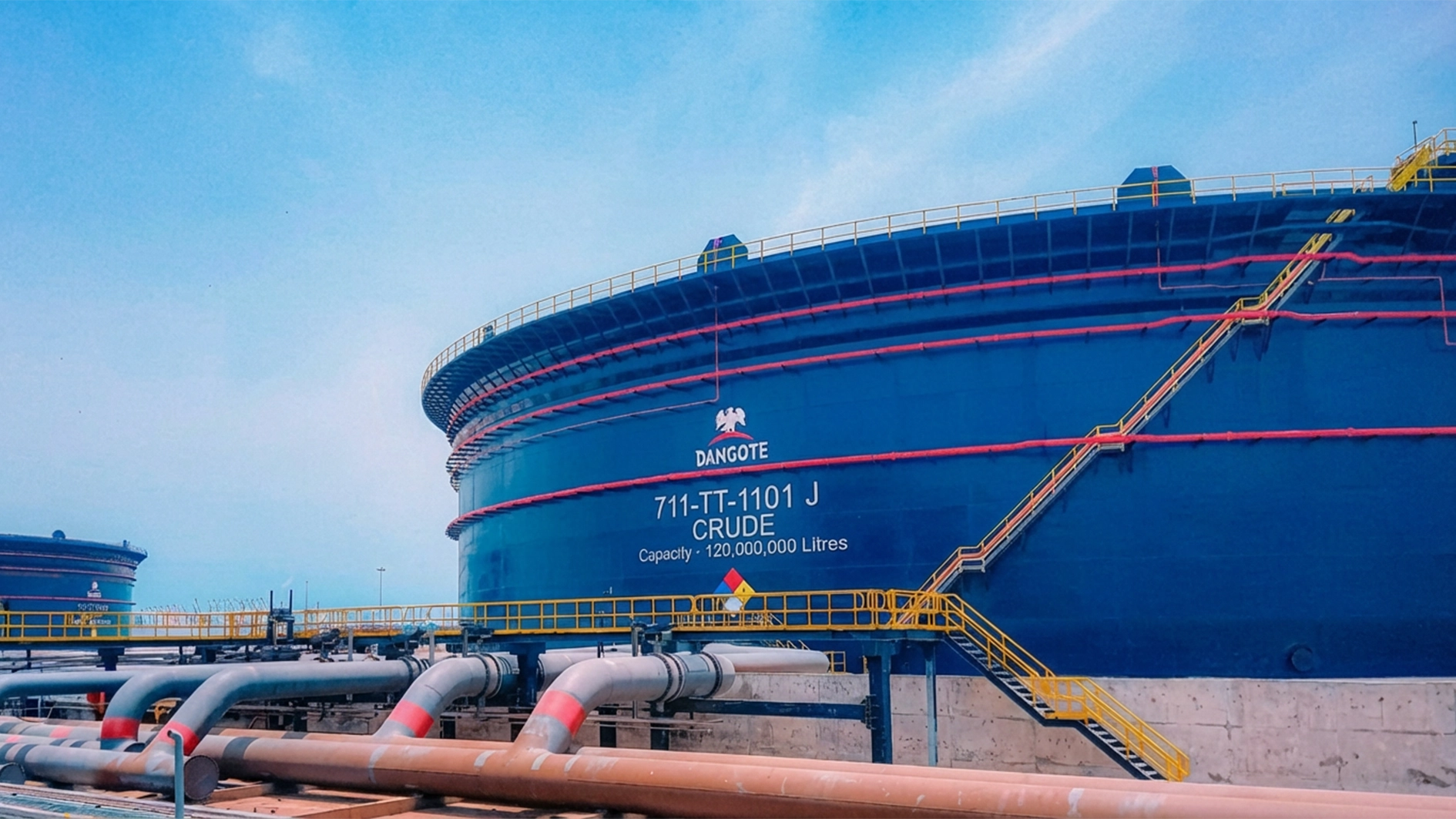
The World Bank has advised Nigeria to urgently reopen the petrol import market and dismantle long-standing trade restrictions or face a renewed inflation surge, pointing to tightening supply conditions and rising global oil prices as immediate risks to current price stability.
In its April 2026 Nigeria Development Update (NDU), the World Bank dished out a clear set of policy actions centred on removing supply-side constraints, warning that without decisive intervention, inflationary pressures could intensify despite recent moderation.
The report identified restricted competition in the downstream petroleum sector and trade barriers on critical imports as key drivers of cost escalation across the economy. It recommended reinstating petrol import licences to reintroduce competition in the premium motor spirit (PMS) market, where pricing pressures have intensified following the suspension of import permits earlier in the year.
According to the report, the absence of competitive supply has contributed to a situation where domestic petrol prices have risen above import parity levels.
As of March 2026, PMS prices stood at about N1,275 per litre, compared to an estimated import parity price of around N1,122 per litre, implying a cost differential of roughly 12 per cent.
The World Bank noted that this pricing dynamic reflected broader supply rigidities that continue to transmit external shocks into domestic prices. With global oil prices rising sharply amid geopolitical tensions, the risk of imported inflation has increased significantly.

Energy-linked components account for about 10 per cent of Nigeria’s consumer price index (CPI) basket, underscoring the direct impact of fuel price movements on overall inflation.
The report added that indirect effects, particularly through logistics and food distribution costs, could further amplify inflationary pressures beyond the initial estimates.
To mitigate these risks, the World Bank recommended a broad easing of trade restrictions.
Specifically, it called for reducing import tariffs and lifting import bans on selected goods, particularly food items and key intermediate inputs used in domestic production. These, it argued, would help to alleviate supply shortages and reduce production costs across sectors.
The report also proposed replacing the current four per cent Nigeria Customs Service (NCS) levy with direct budget financing, noting that the levy contributes to higher transaction costs that are ultimately passed on to consumers.
Despite improvements in macroeconomic indicators, the report highlighted persistent structural constraints limiting Nigeria’s supply response. While oil production increased to an average of 1.7 million barrels per day in 2025, it remains below budget assumptions, restricting the extent to which higher global prices can translate into fiscal gains.
“The oil and gas sector (combining oil mining and refining) maintained strong momentum in 2025, expanding by 8.5 per cent y/y, with most of the increase occurring in the second quarter. Refining activity grew by 14.1 per cent, supported by the ramp-up of operations at the Dangote Petroleum Refinery,” the report stated.
Non-oil sectors continue to face significant challenges, it said, adding that manufacturing and agriculture remained constrained by inadequate infrastructure, high input costs and limited access to credit, which hinder output expansion and reinforce inflationary trends.
Although headline inflation declined to 15.1 per cent in February, down from 26.3 per cent in February 2025, the World Bank cautioned that the disinflation has been driven largely by temporary factors, including base effects, exchange rate appreciation and improved food supply conditions.

