 Follow Us on Google News


 Follow Us on Google Discover
For a long time, the formula for a successful Nigerian child looked fairly straightforward: study hard, pass your exams, get a good grade, and find a stable career.
That formula is not wrong. But the world children are growing into is more complex than any single formula can cover. Artificial intelligence is reshaping industries. Workplaces are evolving faster than curricula. And the children who will thrive are increasingly those who can do more than recall what they were taught. They are the ones who can think, adapt, and create.
Success is no longer determined by academic knowledge alone. Increasingly, the ability to think creatively, communicate ideas, adapt quickly, and solve problems independently is becoming just as important as performance in the classroom. In many ways, creativity is no longer simply a talent — it is becoming a survival skill.
As Children’s Day sparks conversations around the future of children and education, here are five reasons creativity is becoming increasingly essential for Nigerian children today.
- The Future of Work Will Reward Problem Solvers
Technology and artificial intelligence are transforming industries across the world. Many repetitive and routine tasks are gradually being automated, meaning future opportunities will increasingly favour individuals who can think critically, innovate, and approach problems differently.
For children, creativity helps build these abilities early. Activities like writing stories, drawing ideas, brainstorming solutions, or even imaginative play encourage children to think beyond fixed answers and become more adaptable in unfamiliar situations.

In a rapidly changing world, children who can think creatively may be better equipped to navigate uncertainty and create opportunities for themselves.
- Creativity Helps Children Build Confidence and Encourage Self-Expression
One of the most important things creativity gives children is confidence in their own voice.
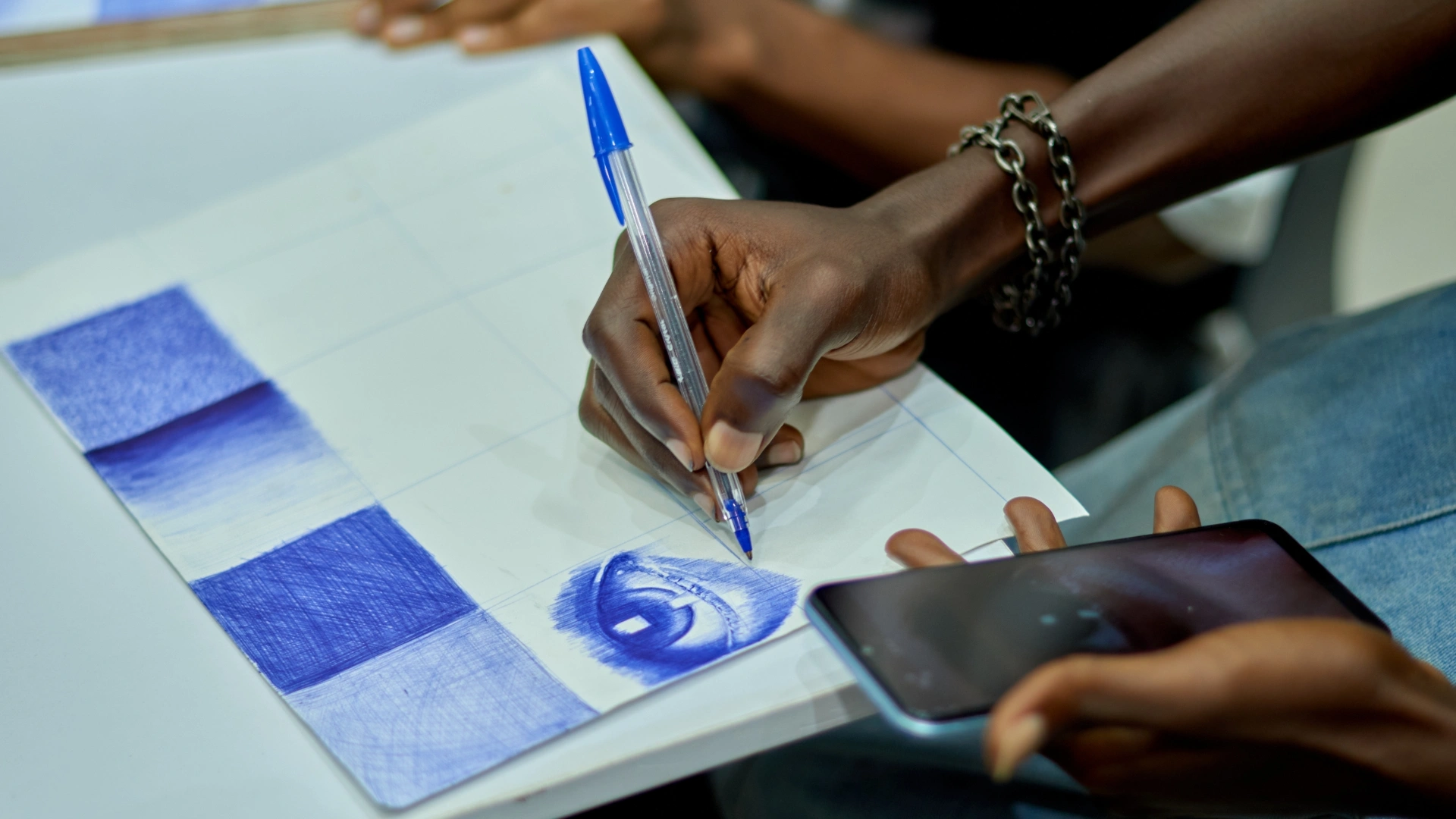
When children are encouraged to draw, write, colour, journal, or express ideas freely, they often become more comfortable communicating, participating, and sharing opinions. These experiences help children develop self-awareness and emotional confidence, both of which are critical for personal and social development.
In many classrooms today, children are under increasing pressure to “get things right.” Creativity creates safe spaces where there is no single correct answer, allowing children to explore ideas without fear of failure.
- Nigerian Children Are Growing Up in Highly Digital Environments
Children today spend more time on screens than ever before. While technology creates access to information and learning opportunities, it has also reduced the amount of time many children spend writing by hand, drawing, reading deeply, or engaging in imaginative play.
As attention spans continue to shrink, creativity-driven activities become increasingly important for helping children slow down, think independently, and engage more meaningfully with learning.
Simple activities like sketching, storytelling, journaling, colouring, or arts and crafts can help children improve focus, concentration, and imagination in ways passive screen consumption often cannot.

- Creativity Supports Emotional and Cognitive Development
Creativity is not only about art; it also contributes significantly to how children process emotions, solve problems, and understand the world around them.
Research has consistently shown that creative activities can improve memory, communication skills, emotional intelligence, and cognitive development among children. Handwriting, for example, has been linked to stronger comprehension and information retention compared to typing alone.
For many children, creative expression also becomes an outlet for managing emotions, building resilience, and developing curiosity.
This is especially important in today’s fast-paced world, where children are exposed to increasing academic, social, and digital pressures from an early age.
- Children Need More Than Academic Success to Thrive
Academic excellence remains important, but future readiness now extends beyond examinations and report cards.
Children increasingly need creativity, curiosity, communication skills, adaptability, and confidence to succeed in a world that is constantly evolving. Employers, educators, and innovators globally are placing growing value on individuals who can think independently and generate ideas.
This is why conversations around children’s education must evolve beyond academics alone. Preparing children for the future also means creating environments that encourage imagination, expression, and exploration.
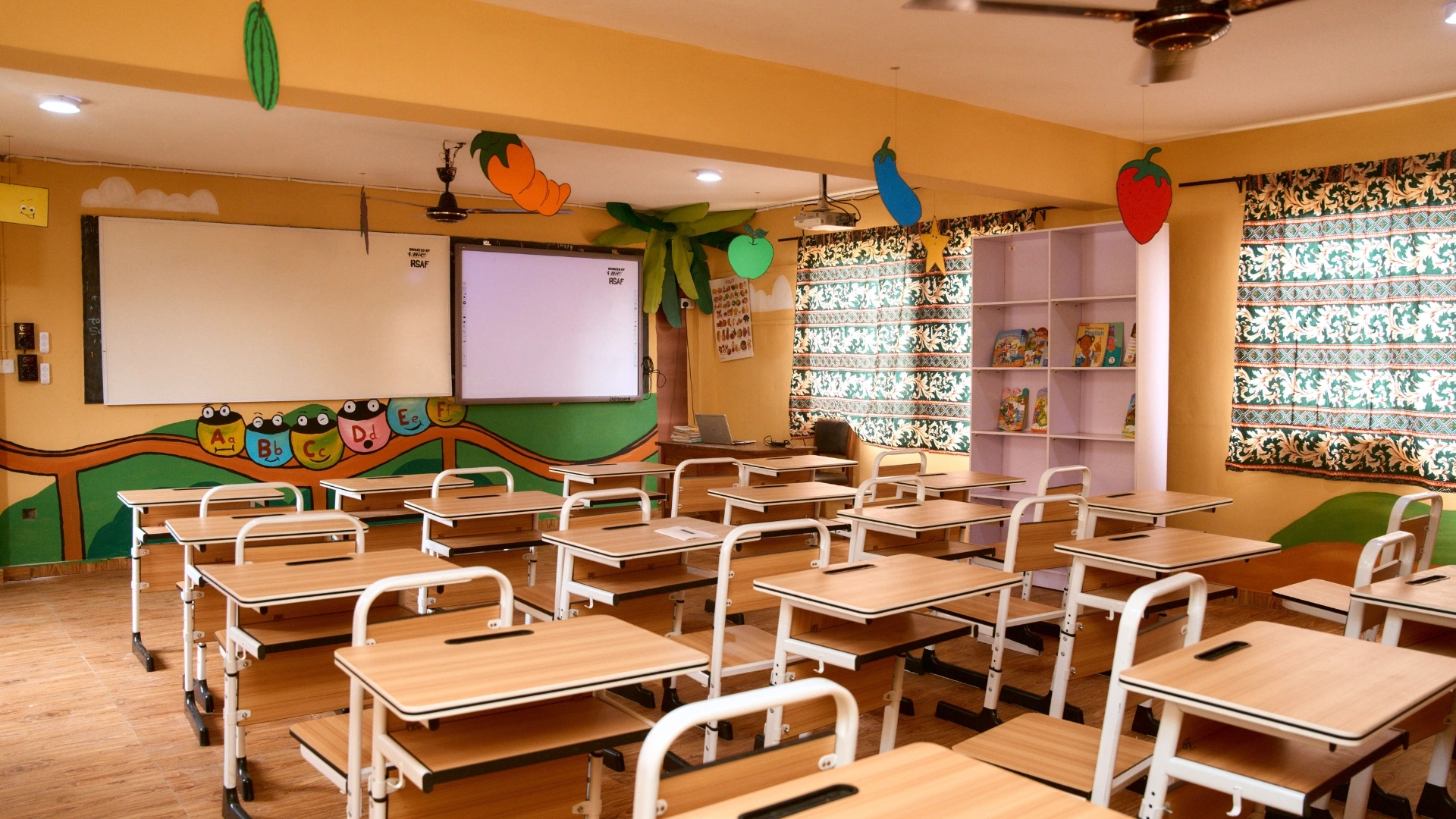
Brands like BIC Nigeria understand the important role everyday learning and creative tools play in helping children express themselves, participate actively in learning, and build foundational skills that support long-term development. Through its range of writing, drawing, and colouring products used daily across homes and classrooms, the brand continues to support creativity as an essential part of childhood learning and self-expression. Beyond its products, BIC also reinforces this commitment through initiatives focused on education, artistic development, and youth empowerment, including school engagement programs and creative learning platforms.
As society celebrates Children’s Day, it may be time to rethink what success truly means for the next generation. Because in the future Nigerian children are growing into, creativity may no longer be optional. It may be one of the skills that helps them thrive the most.

