 Follow Us on Google News


 Follow Us on Google Discover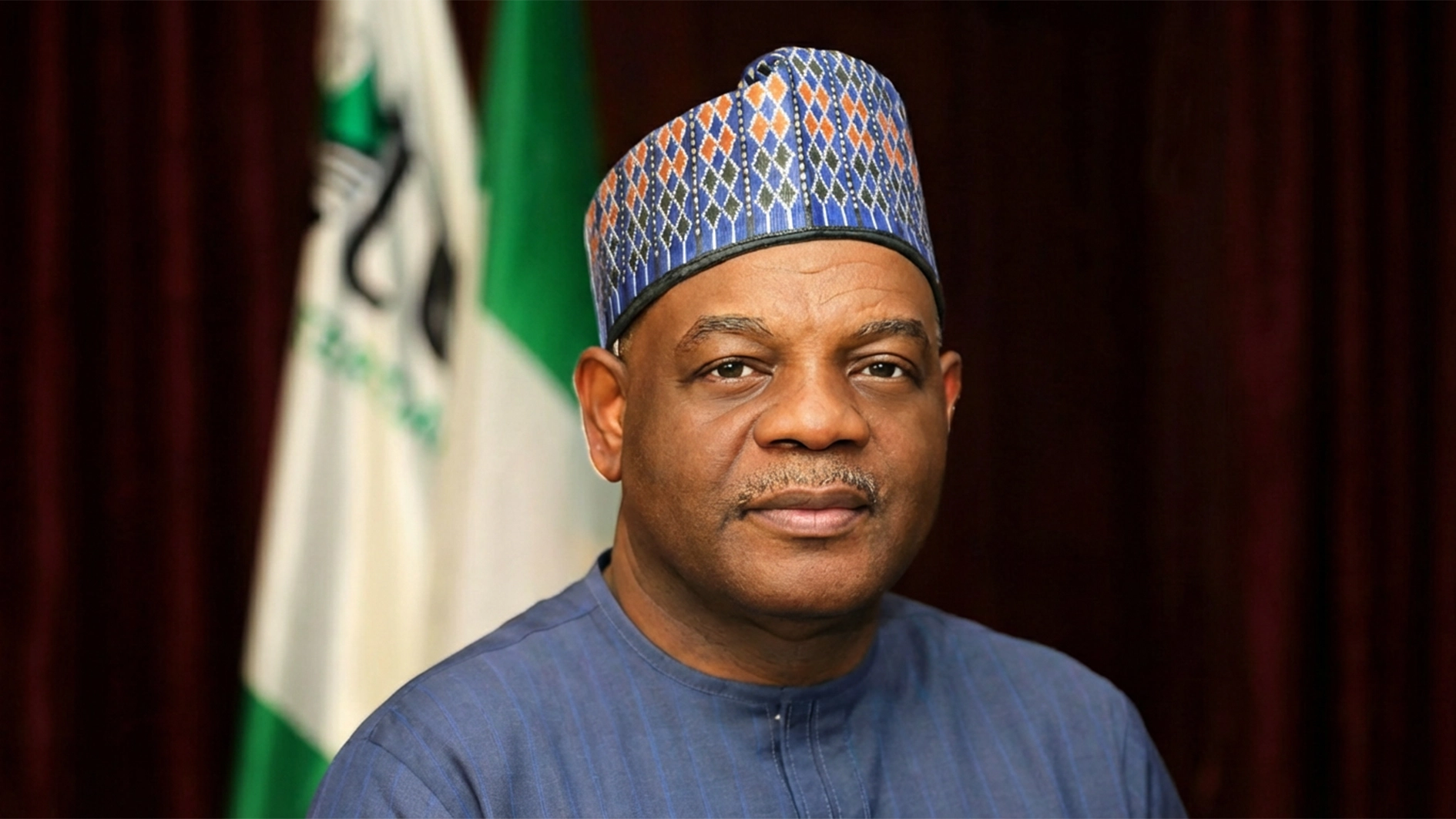
Nigerian educational landscape has faced persistent challenges in aligning academic curricula with the evolving demands of the industrial sector. The disconnect between university research and industry has long been recognised as a major barrier to innovation, youth employment, economic competitiveness and sustainable national development.
While universities are expected to serve as engines of knowledge creation and skills development, much of the research outcomes in most institutions remain largely theoretical, with limited pathways for commercialisation or practical application in industry.
One of the major contributors to this gap is the limited collaboration between academia and the private sector. Many industries operate independently of universities, often importing technology and expertise rather than investing in local research outputs.
Conversely, researchers frequently focus on promotion-driven studies rather than the pressing industrial needs. Consequently, research findings rarely translate to patents, startups or industry-driven solutions for economic development.
For instance, despite leading the continent in raw research output volume, Nigeria continues to trail significantly in translating research into marketable products and services. Checks revealed that the country underperforms many of its African peers in commercialisation, with its success rate estimated at below one per cent, far beneath the regional benchmark of five to 10 per cent. Comparative data indicate that South Africa records commercialisation rates of between 10 and 15 per cent while Kenya achieves between five and 10 per cent and Ghana maintains roughly five to eight per cent.
This stark disparity underscores the structural weaknesses within Nigeria’s innovation ecosystem. While universities generate a considerable body of academic publications, only a negligible fraction advances to patent registration, prototype development or full-scale industrial adoption. Absence of functional technology transfer, limited venture capital support, weak intellectual property protection frameworks and inadequate policy incentives have collectively constrained the transition from laboratory breakthroughs to commercially viable enterprises.
Concerned about the trend, the Tertiary Education Trust Fund (TETFund) has constituted a seven-member advisory committee to spearhead the creation and optimal use of multipurpose laboratories in tertiary institutions across the country’s six geopolitical zones.
The committee, which is chaired by former Acting Executive Secretary, National Universities Commission (NUC), Dr. Chris Maiyaki, is expected to review the equipment list earlier proposed by the Committee on the Establishment of the Central Multipurpose Laboratories to confirm its alignment with the overall objectives of the project. It will also identify and recommend high-quality, durable and cost-effective equipment for the initial take-off phase; propose items that may be procured in stages where necessary and examine the recommended management framework in the report with a view to offering appropriate guidance for effective implementation.
Inaugurating the panel, Executive Secretary of TETFund, Architect Sonny Echono, gave the committee one month to provide strategic guidance on the design, equipment specification, deployment and sustainable management of the laboratories to ensure maximum impact.
Echono explained that in light of the prevailing challenges, the Fund earmarked resources in its 2023, 2024 and 2025 Intervention Budgets for the establishment of six Central Multipurpose Laboratories in selected beneficiary institutions. The initiative, he emphasised, is designed to provide modern laboratory infrastructure, alongside essential facilities and equipment, to deepen research capacity and improve the quality of research training across the country.
The institutions selected to host the laboratories include the University of Lagos (South West); University of Port Harcourt (South-South); University of Abuja (North Central); Bayero University, Kano (North West); University of Nigeria, Nsukka (South East) and University of Maiduguri (North East).
According to the Executive Secretary, the initiative marks a clear departure from fragmented institution-specific interventions towards a coordinated, impact-oriented research support framework. He explained that the Central Multipurpose Laboratories are designed as strategic hubs to promote interdisciplinary collaboration, deepen academia-industry linkages and fast-track the commercialisation of research outputs.
He emphasised that by situating the laboratories across the six geopolitical zones, the Fund intends to promote equitable access to cutting-edge research infrastructure and encourage regional specialisation based on comparative strengths. He added that the facilities would be accessible not only to host institutions but also to neighbouring universities, polytechnics and colleges of education, thereby maximising utilisation and preventing duplication of expensive equipment.
He also said the laboratories would anchor industry-driven research, prototype development, product testing and certification, thereby creating structured pathways from innovation to market. A strong governance and maintenance framework, he noted, has been built into the design to safeguard sustainability, transparency and measurable outcomes such as patents, spin-off ventures and strategic industry partnerships.
“All these clearly indicate the absence of world-class requisite R&D infrastructure to conduct top-level research. The inability of our researchers to compete favourably with their counterparts across the world is largely attributed to inadequate research infrastructure in our institutions,” he said.
Responding on behalf of the committee, Maiyaki conveyed appreciation for the trust placed on them and affirmed their resolve to complete the assignment within the approved timeline. He noted that the confidence reposed in the committee was deeply valued, and that members were fully aware of the weight of the responsibility entrusted on them in executing what he described as a nationally significant and historic task.
Maiyaki further assured that the committee had carefully reviewed the terms of reference and will deliver in line with expectations.
He also highlighted the transformative potential of the proposed state-of-the-art, centralised academic and research laboratories, and the ability to bridge the divide between classroom theory and real-world practice.
Other members of the committee include, Prof. Charles Aworh, Buhari Mikailu, Prof. Lawal Bilbis, Prof. Godwin Imeda, Engr. Amos Osasona and Dr. Ahmad Yakassai.

