 Follow Us on Google News
 Follow Us on Google Discover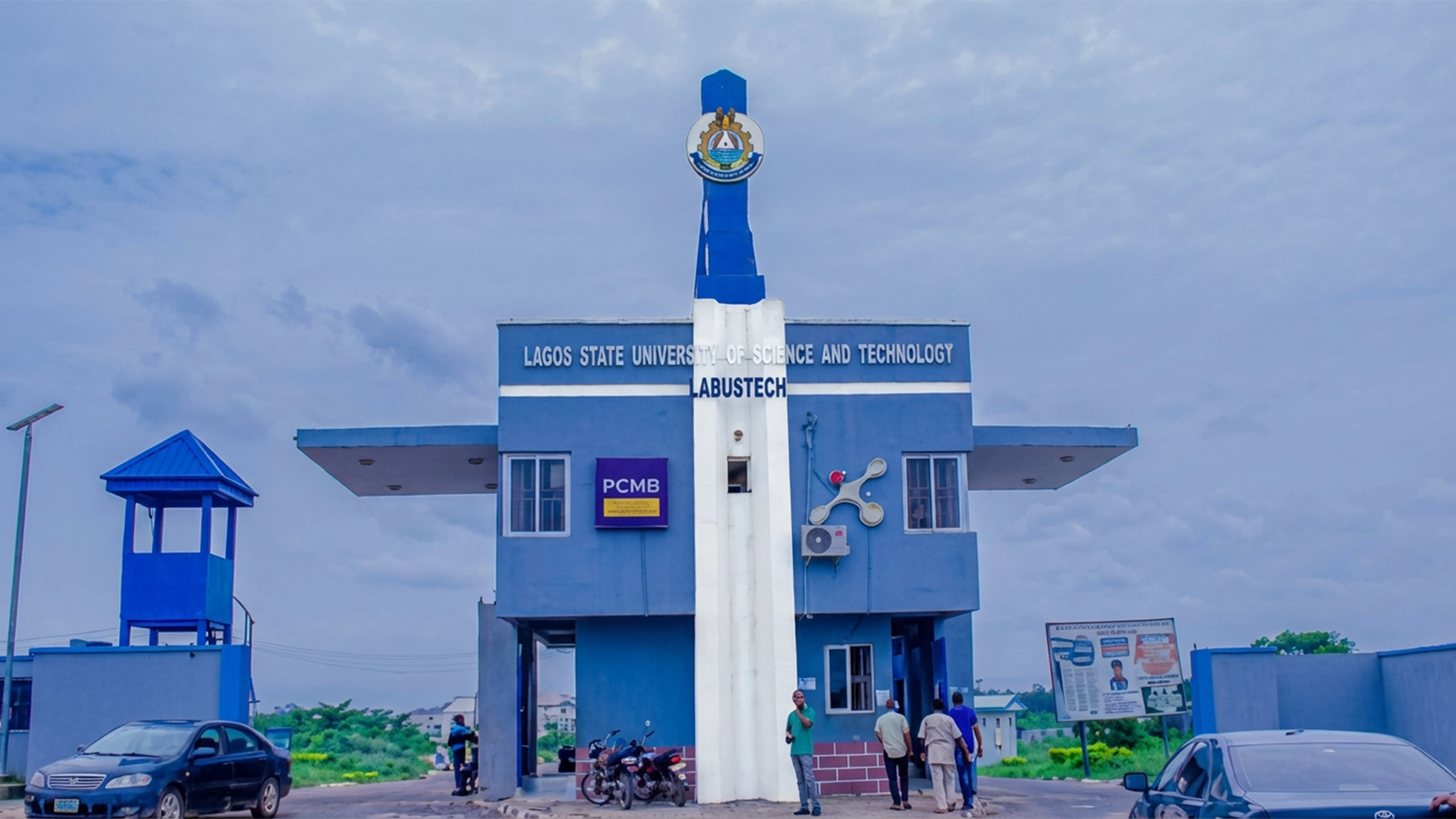
The Lagos State University of Science and Technology (LASUSTECH) on February 2, 2026, marked its fourth Founder’s Day, highlighting its expansion in infrastructure, academic programmes, and student population since its elevation to a university in 2022.
The anniversary, themed Mapping the Future, was held at the College of Agriculture auditorium in Ikorodu, Lagos, and brought together academics, government officials, and stakeholders in the education sector.
LASUSTECH was formerly Lagos State Polytechnic (LASPOTECH) before it was converted into a university in February 2022, following the signing of a bill by Governor Babajide Sanwo-Olu and approval by the National Universities Commission (NUC).
The institution currently operates five colleges — Agriculture, Engineering Technology, Environmental Design and Technology, Basic Sciences, and Applied Social Sciences, offering over 30 accredited academic programmes across science, technology, and social science disciplines.
Speaking at the event, the Vice-Chancellor, Prof Olumuyiwa Omotola Odusanya, traced the university’s development and described the anniversary as a moment to assess progress and set new goals.
“We are mapping the future with an enlarging impact,” he said, noting that the university was focused on laying “building blocks of excellence” that would position LASUSTECH as a globally competitive institution.

Prof Odusanya disclosed that the university had presented 39 out of its 41 programmes for accreditation by the NUC and had completed three academic sessions. According to him, student enrolment has grown to over 12,600, while the pioneer students in the four-year degree programmes are expected to complete their studies by August 2026 ahead of a convocation scheduled for February 2, 2027.
He added that LASUSTECH’s collaboration with the Lagos State Government had strengthened its role as a solution provider under the state’s THEMES Plus agenda, while town-and-gown engagement was expanding through initiatives such as the Research and Innovation Fair held in December 2025.
Prof Odusanya also announced the donation of N500,000 to fund an annual prize of N100,000 for the best graduating student, to be known as the Professor Olumuyiwa and Mrs Morenike Odusanya Pioneer Vice-Chancellor’s Prize.
The guest speaker at the event, Prof Adenike Temidayo Oladiji, Vice-Chancellor of the Federal University of Technology, Akure (FUTA), delivered a lecture titled Achieving the Objectives of Universities of Science and Technology.
Prof Oladiji said universities of technology were established to produce graduates with strong theoretical and practical skills capable of driving industrial development and national modernisation. She traced the evolution of technological education in Nigeria, linking the establishment of universities of technology to the country’s industrial ambitions in the late 1970s and early 1980s.
According to her, there are currently 30 universities of technology in Nigeria, 11 federal, 14 state-owned and five private, representing about 10% of the country’s universities as of January 2026.
She stressed that universities of technology must go beyond teaching to solve real-life problems within their host communities through research, innovation and public service. “We must identify technological problems relevant to our localities and provide practical solutions,” she said.
As part of the celebration, the university recognised outstanding students, including the best graduating student for the 2024/2025 academic session, Ruth Ayomide Ajayi of the Department of Animal Science, who graduated with a cumulative grade point average of 4.97. Best students from each of the five colleges were also honoured with awards, gifts and scholarships.
The event closed with the presentation of an award to Prof Oladiji by the LASUSTECH vice-chancellor, followed by a guided tour of the university’s completed and ongoing projects.
The tour covered newly completed laboratories for zoology, botany and microbiology, the digital innovation laboratory donated by Huawei, the central research laboratory, as well as projects under construction, including the 1,500-capacity central auditorium, student hostels and the university’s innovation hub.

