 Follow Us on Google News


 Follow Us on Google Discover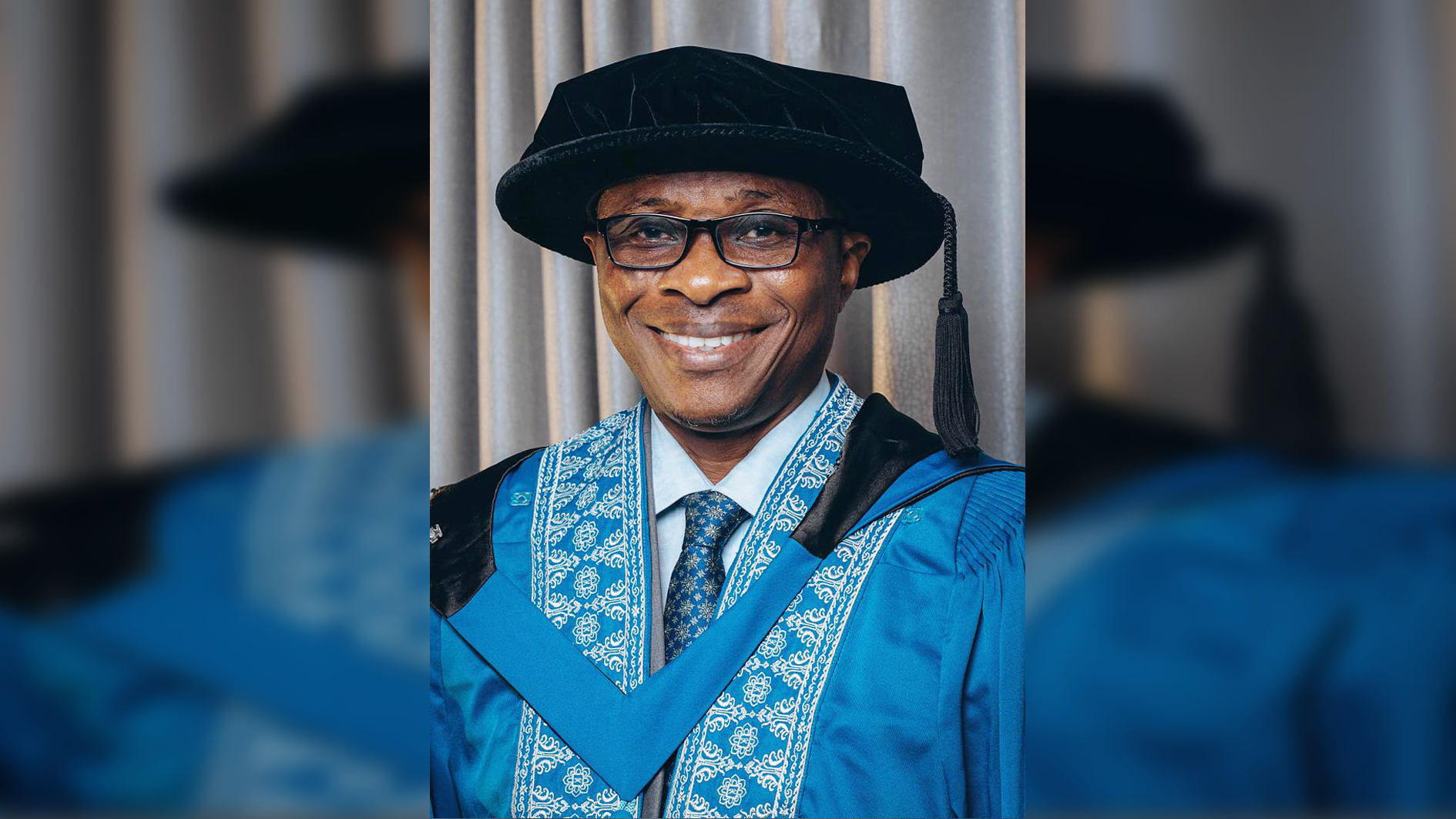
Former Provost of Lagos State University of Education (LASUED), Epe, Prof. Nosiru Onibon, has said that Nigeria’s fundamental challenge lies not in a deficit of knowledge, but in the erosion of moral values.
Onibon made the remark at the public presentation of his memoir, Audacity to Lead and Courage to Serve, where he reflected on his stewardship in educational leadership and the principles that informed his service.
While acknowledging that Nigeria is not short of trained professionals across various sectors, Onibon noted that progress remains stunted because many leaders fail to apply ethical discipline to decisions that affect the public.
According to him, leadership falters when character is compromised, regardless of technical competence.
He stressed that institutional decline in the country is more often the result of moral lapses than of intellectual inadequacy.
The memoir chronicled his tenure as Provost and detailed the institutional conditions he encountered upon assuming office.

He described a college weighed down by low staff morale, strained internal relationships, and administrative fatigue.
He said the reform measures he implemented were directed at restoring order, strengthening governance processes, and rebuilding trust within the academic community.
Onibon explained that the reform process demanded patience, consistency, and restraint, particularly in the face of petitions and opposition aimed at frustrating his appointment.
Director General of the Nigerian Institute of Advanced Legal Studies, Prof. Abdulkadri Abikan, who reviewed the book, said the memoir presents a clear account of how a public institution can regain stability through steady and principled leadership.
Abikan noted that the author chose a restrained tone that avoided naming adversaries or dramatising disputes, preferring instead to highlight the solutions that repositioned the college.
He said the calm presentation of events reflected the author’s leadership style, which favoured quiet decisions over public confrontation.
Abikan said the college had been close to institutional collapse before the reforms began, with financial strain, poor infrastructure, and a weakened academic culture.
He added that the stability achieved over that period was the product of a leader who understood the gravity of the institution’s challenges and responded with discipline and clarity.
As guests listened to the presentation, many took his message as a reminder that Nigeria’s renewal will depend on leaders who place integrity above convenience and duty above personal interest.
For Onibon, the road to national progress remains tied to a return to the values that once strengthened public institutions, and to the understanding that knowledge achieves little without the moral courage to apply it for the common good.

