 Follow Us on Google News


 Follow Us on Google Discover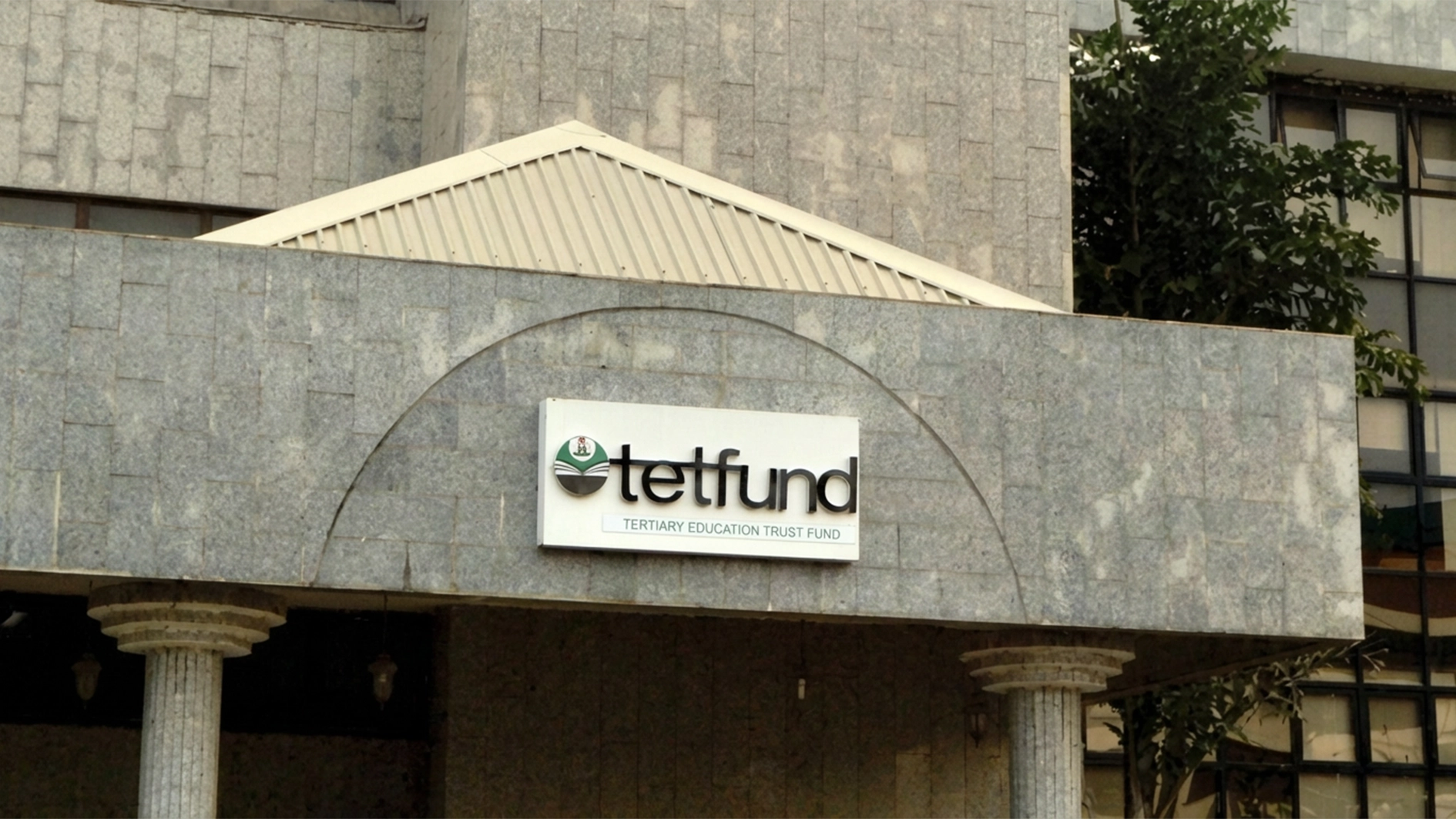
Worried by the sluggish rate at which public tertiary institutions are enrolling on the Tertiary Education Research and Application Service (TERAS), the Federal Government has extended the initiative to eligible private tertiary institutions.
TERAS is a national digital platform by the Tertiary Education Trust Fund (TETFund, aimed at improving teaching, learning, research, innovation, and institutional efficiency of beneficiary institutions.
Confirming the onboarding of private tertiary institutions on the TERAS platform on Tuesday, Minister of Education, Dr. Tunji Alausa, said the initiative was in furtherance of efforts to reinforce and protect Nigeria’s education system through strategic public–private partnerships.
The Guardian reports that with this development, the 356 private tertiary institutions in Nigeria – comprising 168 accredited private universities, 106 private polytechnics and 82 private colleges of education – are now eligible to be onboarded into the platform.
A statement on Tuesday by the Director, Press and Public Relations, Federal Ministry of Education, Folasade Boriowo, noted that the Minister emphasised that sustainable progress in education requires collective responsibility and inclusive partnerships between government and private sector stakeholders.
According to the statement, Dr. Alausa explained that the expansion of TERAS, implemented in collaboration with TETFund, marks a significant milestone in Nigeria’s digital education reform agenda.

He said while TERAS has traditionally served public universities, polytechnics, and colleges of education, eligible private institutions are now invited to formally partner with TETFund and benefit from the same premium digital services delivered at national scale.
The platform, he said, provides structured onboarding, reliable connectivity services, cost efficiency, standardised quality assurance mechanisms, and data-driven decision-making tools, adding that these features are critical to improving institutional performance and ensuring that Nigerian tertiary institutions remain competitive both locally and globally.
“The inclusion of private tertiary institutions reflects the Federal Government’s broader vision of a unified, inclusive, and resilient higher education ecosystem aligned with global best practices. And collective engagement through TERAS would strengthen collaboration, enhance bargaining power, and accelerate the development of a shared digital future for tertiary education in Nigeria.
“Dr. Alausa, therefore, called on interested private universities, polytechnics, and colleges of education to formally express their interest and engage with TETFund through the Committee of Vice Chancellors of Nigerian Universities, stressing that collaborative inclusivity remains key to achieving sustainable educational advancement.
“The Ministry reaffirmed that the initiative aligns with the education agenda of President Bola Ahmed Tinubu, which prioritises access to quality and inclusive education, while positioning Nigeria’s tertiary institutions to attain global relevance in learning, research, and innovation in support of national development,” the statement reads.
Speaking at the recent strategic workshop with heads of beneficiary institutions on the 2026 disbursement guidelines, Executive Secretary of TETFund, Arc. Sonny Echono had expressed concern at the ‘slow and reluctant utilisation’ of the TERAS platform.
He stated: “Also worrisome is the slow and reluctant utilisation of the TERAS platform with all its associated services by some beneficiary institutions. The Fund will be paying closer attention to this in the year 2026.
The Fund also expects better documentation and knowledge of its guidelines for its training and content intervention lines. This should mitigate the challenges and problems experienced by scholars across beneficiary institutions”.

