 Follow Us on Google News
 Follow Us on Google Discover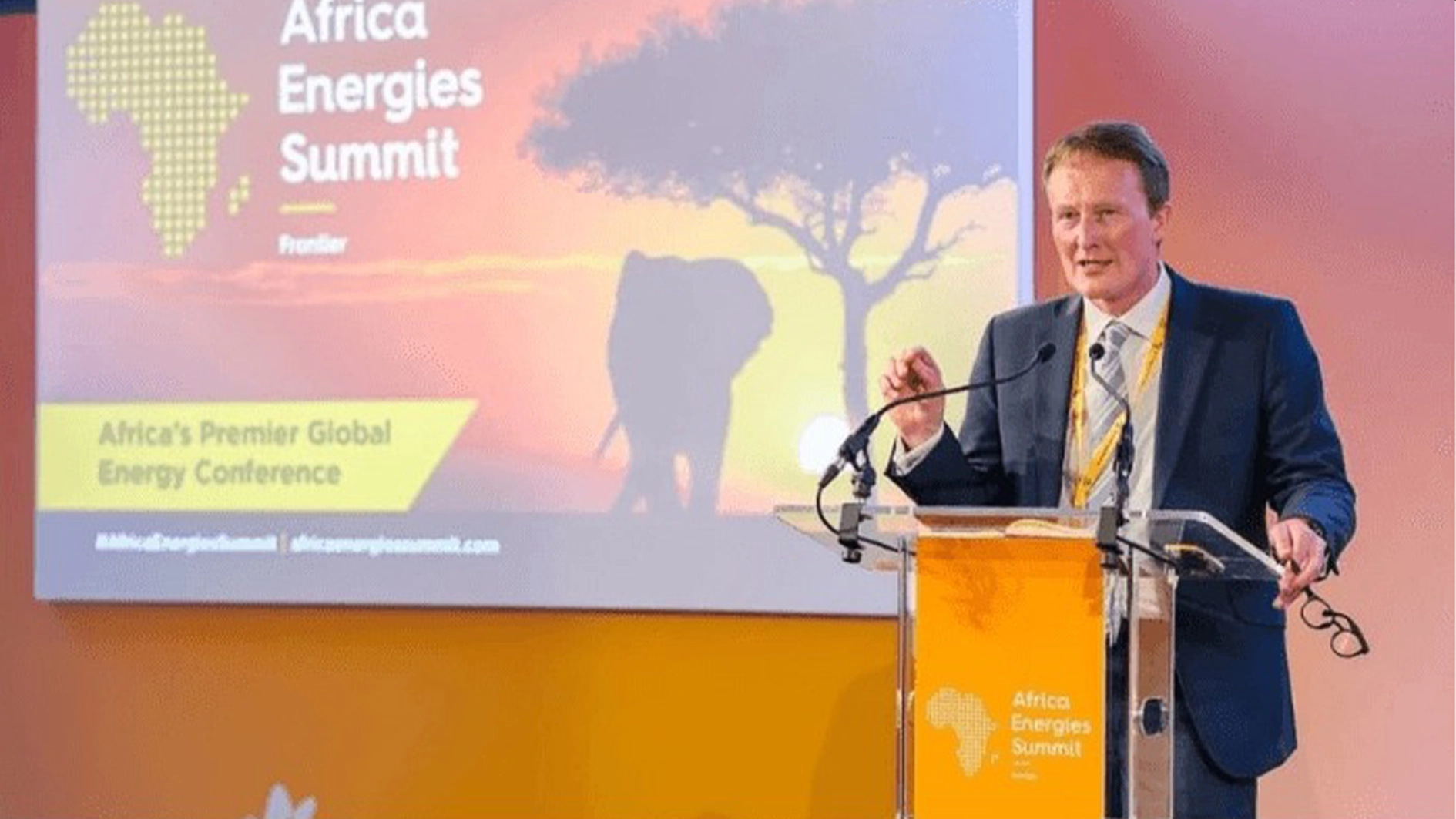
Decision marks sharp escalation in standoff with Africa Energies Summit as AEC widens pressure over local content, representation and alleged exclusion of Black professionals
A growing number of African petroleum ministers have declined to participate in the Africa Energies Summit 2026, scheduled for May 12–14, 2026 in London, deepening a widening boycott campaign led by the African Energy Chamber (AEC) and turning what began as a public dispute into one of the most serious credibility crises yet facing the event. The summit is promoted by Frontier as a major Africa-focused upstream platform built around ministerial access, investor engagement and deal-making.
The ministers’ refusal to attend marks the clearest institutional endorsement so far of a boycott that has moved rapidly from criticism to coordinated pushback. What began as complaints over representation and alleged exclusion in staffing has now widened into a larger political and industry confrontation over whether platforms that profit from Africa’s oil and gas sector are genuinely prepared to reflect African priorities in their own internal structures and decision-making culture.
For the AEC, this is no longer a narrow dispute about conference optics. It is now a test of whether local content is to remain a serious industry principle or be reduced to branding language for international platforms seeking African sponsorship, African participation and African legitimacy.
“By boycotting AES in London, the African oil industry is showcasing that local content is a priority,” said NJ Ayuk, Executive Chairman of the African Energy Chamber. “The message is clear: if Gayle and Daniel Davidson change their policy towards Black professionals to be more inclusive, many Africans will work with them. The exclusionary policies are not reflective of our values and that of the oil industry. They have an incredible opportunity to do the right thing. The decision is theirs. They have a choice and a chance. I hope they don’t continue on the path of arrogance.”
From criticism to boycott
The latest ministerial snub did not emerge in isolation. It is the culmination of a dispute that has been building for weeks as the Chamber sharpened its criticism of the summit and its organisers.

The AEC first framed the issue as a contradiction at the heart of parts of the Africa-focused energy conference circuit: institutions that benefit commercially from African governments, African national oil companies, African independents and African narratives, but are accused of failing to extend meaningful opportunity to African and Black professionals within their own systems.
That criticism then hardened into a boycott campaign. By early March, the Chamber was no longer merely asking questions about representation. It was openly urging African stakeholders to reconsider attendance, warning that continued participation would amount to legitimising a platform allegedly out of step with the very local content principles African governments and companies have spent years trying to institutionalise.
The withdrawal of ministers now pushes that campaign into a more consequential phase. It signals that this is no longer just a media row between an advocacy body and an event organiser. It has become a political statement from within the sector itself.
Gayle Meikle and Daniel Davidson pushed to centre of dispute
A central feature of the Chamber’s escalation has been its decision to identify Gayle Meikle and Daniel Davidson by name, rather than treat the dispute as an abstract disagreement with a corporate platform.
In Ayuk’s account, the issue is not simply that the summit’s organisers are out of step with African industry expectations. It is that individuals at the centre of the platform now face a direct choice over whether to respond to the backlash with reform or continue what he characterises as an exclusionary posture.
“A lot of Africans feel that all the progress and gains made by our oil industry on local content are constantly being stomped on by groups like Frontier,” Ayuk said. “We believe in Drill Baby Drill and local content, and we’re being told that there’s something wrong with it, that we should be ashamed of it in some way and that it needs to be replaced with discrimination. Many people are just sick of it. We’ve had enough.”
He went further, arguing that the oil and gas industry would not rally to defend exclusionary practices. “Gayle and Daniel Davidson are essentially marketing to a clientele that doesn’t exist. Let’s be clear: the oil industry does not and will not defend discrimination against Black professionals. It’s not who we are. They both need to come clear and denounce this. This virtue signaling to a certain crowd does not help our goals for an inclusive oil industry.”
That language dramatically personalises the conflict and leaves little doubt that the Chamber intends to keep public pressure focused not only on the summit as a brand, but on those seen as responsible for its direction.
Local content moves from law to legitimacy
At the heart of the confrontation is a deeper struggle over what local content now means in African energy politics.
For years, local content frameworks across the continent have focused on procurement, indigenous participation, jobs, training, supplier development and technology transfer. Countries such as Nigeria and Angola have used law and policy to expand domestic participation in strategic parts of the value chain. Newer and emerging producers have also increasingly written local content expectations into their petroleum frameworks as they seek to ensure that resource development delivers broader national value.
What the Chamber is now arguing is that the principle can no longer stop at the project site or the statute book. In its view, local content must also shape the platforms that mediate access to African opportunities, especially conferences and commercial forums that claim to speak for the continent’s upstream future.
That is what gives the boycott its wider significance. The dispute is no longer only about who gets hired. It is about who gets to define the terms of participation in Africa’s most important energy conversations.
A summit under pressure
The Africa Energies Summit has been marketed by Frontier as a premier annual gathering for governments, national oil companies, investors and upstream executives, with the 2026 edition set for London from May 12 to 14. Frontier’s own promotional material continues to present the event as a central meeting point for Africa’s upstream agenda, while recent summit-related announcements and sponsor updates show organisers pressing ahead with preparations.
That is precisely why the boycott matters.
Ministerial attendance is not a decorative feature of such summits; it is core to their commercial and political value. The absence of ministers weakens the summit’s claim to convening power, undermines the appeal of its access model, and raises difficult questions for sponsors, delegates and policy stakeholders about whether the event can still present itself as a trusted platform for Africa’s upstream future.
The pressure may yet widen. Ayuk made clear that the campaign is not slowing down.
“You can count on us not to stop,” he said. “We will start speaking to companies operating in seismic, services and policy. They must take the local lead.”
That warning suggests the Chamber now intends to broaden the field of engagement beyond ministers and public officials to include service companies, technical contractors, advisors and ecosystem players whose participation helps sustain the summit’s wider relevance.
A broader reckoning in African energy
The boycott of the London summit is fast becoming more than a dispute about one conference. It reflects a broader reckoning within Africa’s oil and gas industry over access, legitimacy and control of the narrative.
African governments and industry actors have spent years defending the sector against hostile external pressures, arguing for pragmatic hydrocarbon development, improved fiscal terms, stronger domestic participation and an energy transition aligned with Africa’s own development realities. For the AEC and its allies, that long fight cannot be separated from the question of who gets included in the institutions built around the industry.
That is why the ministers’ decision matters. It signals that attendance at high-profile international gatherings can no longer be taken for granted where questions of inclusion and local content remain unresolved.
The message from the boycott is becoming harder to ignore: Africa’s oil and gas industry is increasingly unwilling to support platforms that seek the continent’s business, prestige and presence without demonstrating a corresponding commitment to African participation. And unless that changes, the standoff around the London summit may yet deepen further before May

