 Follow Us on Google News
 Follow Us on Google Discover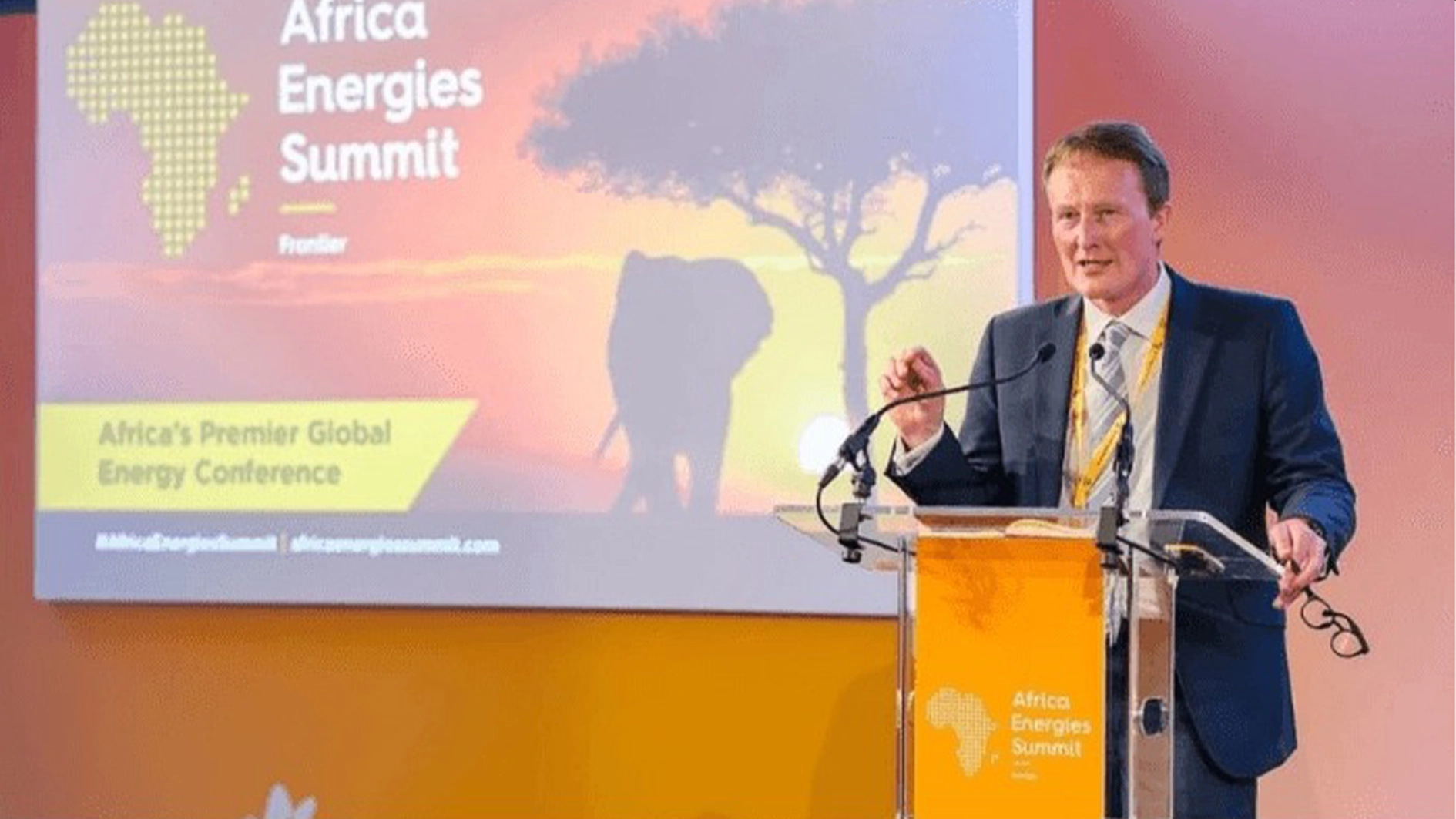
The African Energy Chamber (AEC) has intensified its campaign against the Africa Energies Summit 2026, calling for a boycott of the London event over what it describes as discriminatory hiring practices that exclude Africans and Black professionals. What began as an industry dispute over representation has now become a direct challenge to the credibility of one of the most visible international gatherings focused on Africa’s upstream oil and gas business. The summit is being promoted as the ninth edition of Africa Energies Summit and is scheduled to take place in London in May 2026, with official materials listing the main conference for 12–14 May 2026.
The boycott call did not emerge suddenly. It followed weeks of increasingly forceful public criticism from NJ Ayuk, Executive Chairman of the African Energy Chamber, who has framed the issue as a fundamental contradiction within the Africa-focused energy business. His position is that no institution can continue to profit from African sponsorship, African participation, African government engagement and African commercial relevance while allegedly denying Africans fair access to employment opportunities. In Ayuk’s view, such conduct violates the very principles of fairness, growth and partnership the industry claims to defend.
From the outset, the Chamber’s message was rooted in one core argument: organizations benefiting from Africa must also include Africans in meaningful roles. In early February, the AEC publicly sharpened its criticism of what it described as a disconnect between Africa-facing commercial ambition and the internal staffing reality of certain institutions operating in the sector. At that stage, the Chamber was already making clear that businesses drawing value from African markets had a duty to invest in African talent.
By mid-February, that criticism had become more pointed. Ayuk declared that Africa’s energy future cannot be built on exclusion and warned that African governments, regulators and companies should not continue to support institutions accused of discriminatory hiring. The Chamber’s language made it clear that this was no longer being treated as a private complaint. It was now a public matter involving the dignity, inclusion and economic participation of Black professionals in an industry built around African resources and African opportunity.
As the dispute deepened, the Chamber broadened its case. It argued that local content should not be narrowly interpreted as a matter of acreage awards, procurement quotas or service contracts alone. In the Chamber’s view, local content must also apply to the institutions that organize, shape and profit from the conversation around Africa’s energy future. A summit that gathers ministers, national oil companies, investors and service firms to discuss African opportunity, Ayuk argues, cannot be insulated from scrutiny over whether Africans themselves are included within the structures behind that event.
That argument has now hardened into a direct call for boycott. The Chamber says African institutions, public officials and private companies should not lend support to platforms accused of excluding Black professionals from employment opportunities. Ayuk’s position is blunt: institutions that continue to treat Black professionals as second-class participants in Africa’s oil and gas industry must face consequences. For the Chamber, the boycott is not symbolic posturing. It is a deliberate effort to force accountability and to make clear that exclusion can no longer be separated from commercial access to Africa.
The significance of the boycott call lies partly in the standing of the Africa Energies Summit itself. The event is widely regarded as one of the leading international forums dedicated to Africa’s upstream oil and gas sector. Its official materials present it as a premier gathering that convenes governments, national oil companies, international operators, investors and service providers in a deal-focused environment. That prominence is exactly why the Chamber has chosen to confront it so directly. This is not a minor industry event. It is one of the platforms through which influence is built, reputations are shaped and access to Africa’s energy future is monetized.

The Chamber’s campaign also carries a strong political warning. Ayuk has argued that African ministers and regulators who attend the summit cannot credibly speak about local content at home while associating with institutions accused of refusing to hire Black professionals. That message places attendance itself under scrutiny. Participation is no longer being framed as routine industry networking, but as a possible endorsement of exclusion. For governments and officials who have spent years promoting domestic participation, indigenous capacity and African leadership, that is a serious challenge.
At the heart of the boycott campaign is a wider demand about ownership and legitimacy. The Chamber is insisting that African inclusion must extend beyond sponsorships, speeches and conference visibility. It must be reflected in who is hired, who is promoted and who gets to shape the structures through which Africa’s energy story is sold to the world. The issue, in that sense, is larger than one summit. It is about whether Africa-centred commercial platforms can continue to benefit from African relevance while allegedly shutting Africans out of internal opportunity.
The boycott call has therefore become more than a protest. It is now a test of whether institutions operating in Africa’s energy space are prepared to align their internal practices with the values they publicly promote. For the African Energy Chamber, the message is unmistakable: Africa’s energy future must not be something Africans are invited to finance, attend and legitimize, while being excluded from helping to build and lead it.

