 Follow Us on Google News
 Follow Us on Google Discover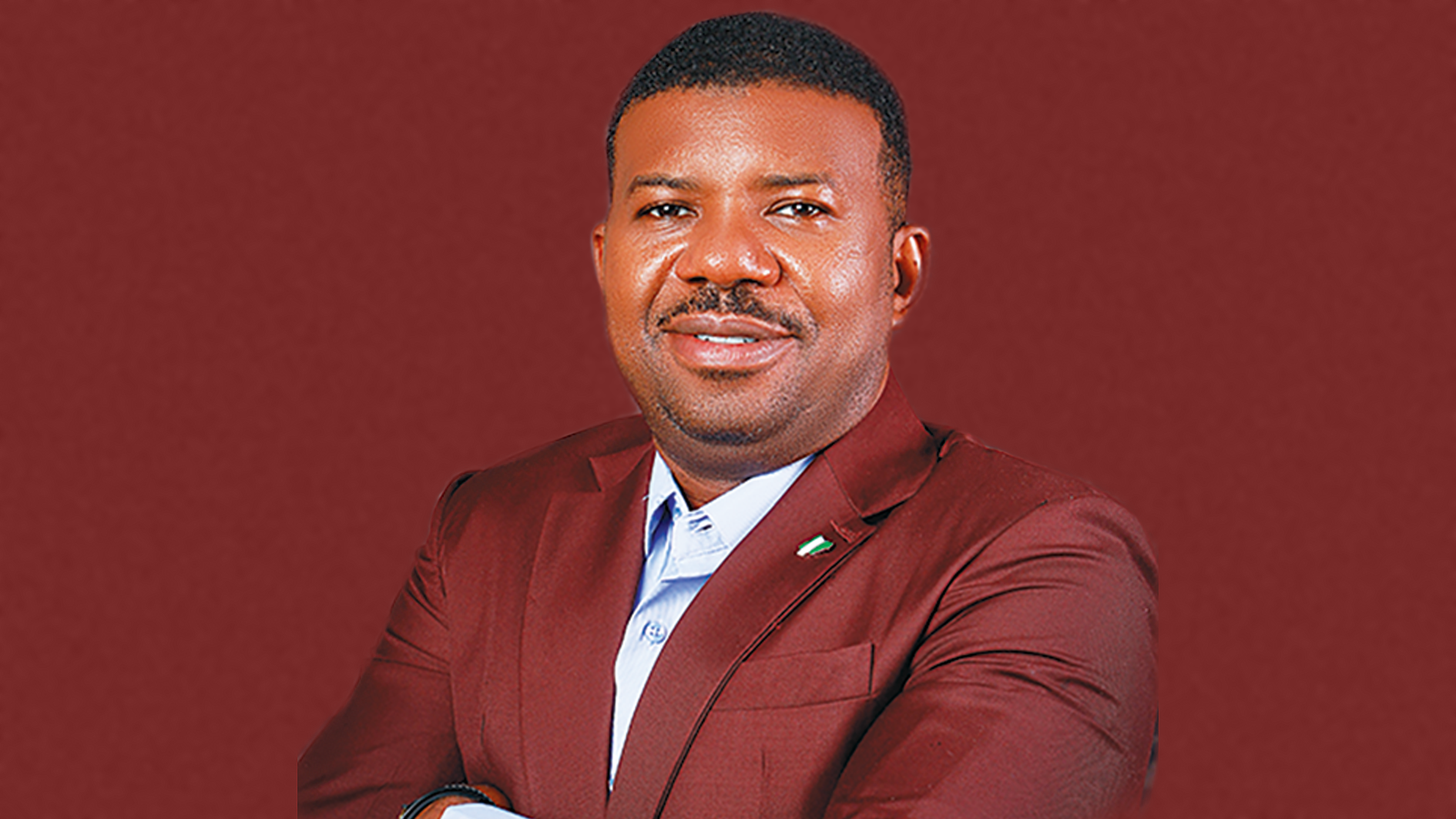
Atiemoria Ebhodaghe is the Lead Strategic Consultant at Acepontis Ltd. In an interview with KINGSLEY JEREMIAH, he discusses the challenges of logistics, vandalism, operational efficiency, emerging technologies and how Nigeria can lower oil production costs and boost volume.
With frequent disruptions in crude production and export due to pipeline vandalism and security risks in the Niger Delta, what concrete safety and operational frameworks could be exploited?
While technological and naval security measures are necessary, I believe the most concrete and sustainable safety framework is a socio-economic solution centred on the host communities. You cannot secure thousands of kilometres of pipelines with gunboats alone; you secure them through economic inclusion. Vandalism mostly thrives in environments where the local population feels alienated from the wealth generated in their backyards.
To ensure long-term reliability, the industry must deeply integrate these communities into the operational framework. This means aggressively engaging the youths through targeted and sustainable education, specialised maritime and oilfield skills development, and, most crucially, gainful employment within the sector. Furthermore, the communities themselves must see tangible infrastructural development so they actually feel the positive impact of being oil-producing regions. When the youths are empowered and the community shares in the economic dividends, they naturally transition from disenfranchised bystanders to the primary stakeholders and protectors of those critical national assets.
Apart from some parts of Bonny Island where NLNG has undertaken qualitative infrastructure development, which other oil-producing areas of the Niger Delta can boast of high-quality hospitals, reliable electricity, and high-grade road networks? Until we answer that question practically, long-term security will remain a challenge.
Nigeria’s oil and gas sector faces persistent logistics bottlenecks and supply chain inefficiencies. How exactly is Acepontis Limited addressing the structural challenges, particularly in marine logistics and offshore operations?

At Acepontis Limited, we recognise that marine logistics goes far beyond simply moving assets; it is about absolute Operational Readiness. A major structural challenge in the offshore sector is that bottlenecks often happen not in transit, but when a vessel fails a technical audit, marine warranty survey, or safety inspection. That results in millions of dollars in operational downtime.
We address these structural challenges by shifting the focus from reactive problem-solving to proactive compliance. Before any offshore campaign commences, Acepontis works to ensure that vessels and marine assets are 100 per cent technically and safety compliant well in advance of mobilisation. By applying a proactive framework — identifying technical gaps early and resolving them pre-deployment — we ensure that once an asset is deployed to the field, it operates seamlessly. By eliminating this compliance friction, we drastically improve the efficiency of offshore operations’ supply chains.
The cost of oil production remains very high in Nigeria compared to other oil-producing countries. How do you think we can reduce this?
This is a core focus of my consultancy and my doctoral research at Anglia Ruskin University, Cambridge. The high cost of production is inflated by what I call the Nigerian Premium, which is heavily driven by marine logistics inefficiencies and poor asset utilisation.
To reduce this cost, the industry must move toward strategic asset sharing and collaboration. For example, Operator A might charter a vessel for a whole year, but with 60 per cent utilisation (and pay a standby rate for the 40 per cent unutilised days), while Operator B charters a separate vessel for 40 per cent utilisation (and pays a standby rate for the 60 per cent unutilised days). Instead of working in silos, operators can pool their marine logistics demands and sub-lease vessels.
Maximising vessel utilisation drastically reduces the daily operational rate, directly lowering the cost per barrel while ensuring vessel owners achieve 100 per cent utilisation at full rate. Furthermore, we must resolve our seaport congestion, which currently diverts cargo meant for Nigeria to Lome and Cotonou to eliminate the massive transit and storage penalties baked into our production costs.
Local content remains a major policy objective under the Nigerian Oil and Gas Industry Content Development Act. How will you rate indigenous capacity in marine logistics, procurement and consultancy?
Credit must be given to the Nigerian Content Development and Monitoring Board (NCDMB). Through its relentless regulatory oversight, the Local Content Act has been a resounding success, particularly in hardware and asset ownership. Today, as major international oil companies (IOCs) divest from onshore and shallow-water assets, indigenous operators are successfully stepping up to fill that void. I rate our indigenous capacity to own, operate and maintain complex offshore support vessels very highly.
However, where we must urgently improve is in strategic consultancy and process engineering. True indigenous capacity is not just about owning the boats; it is about optimising the ecosystem. Indigenous consultancies need to evolve from basic procurement into strategic supply chain synchronisation, such as helping operators implement the collaborative asset-sharing models I mentioned earlier. We must focus on human capital readiness, training Nigerians to manage the predictive logistics and digital frameworks that will sustain this indigenous takeover.
Can Nigeria increase its oil production to two million barrels per day, as being pushed by some operators?
Yes, achieving two million barrels per day is entirely possible, but it requires a synchronised ecosystem. The regulators are already pushing to reduce the contracting cycle to six months, which is a great step. However, production targets mean nothing if evacuation and supply logistics fail, and if the operating environment is volatile.
You cannot drill two million barrels if critical upstream equipment is delayed at the ports, or if offshore assets suffer downtime due to poor pre-deployment compliance. Furthermore, as I noted earlier, we cannot sustain this target without drastically improving the security situation in the Niger Delta through host community inclusion. To hit that two million bpd target, we need cross-ministerial synergy. We must synchronise the Ministry of Petroleum Resources’ production goals with robust community security frameworks and the Ministry of Marine and Blue Economy’s logistics infrastructure.
Nigeria has struggled with transparency and accountability in the oil and gas value chain. What governance or compliance mechanisms do you advise for trust building?
We are already seeing positive momentum in this regard.
For instance, it is highly commendable to see the NNPC begin to shed the opaqueness that has historically shrouded its operations, taking deliberate steps toward commercial transparency and accountability.
However, to build ultimate credibility across the entire supply chain, we must fully implement the National Single Window, integrating all maritime and regulatory agencies into one unified digital portal to eliminate loopholes for extortion. But as I always advocate, software cannot solve hardware. A digital portal will not fix the physical delays caused by bad access roads or inadequate port scanners.
I experienced this friction personally here in the UK when I bought Nigerian yams that were branded as “Produce of Ghana,” simply because the exporter found it easier to route goods through Ghanaian ports to avoid Nigerian export bottlenecks. To establish true accountability and trust, we must achieve strategic synchronisation, matching our digital transparency portals with robust, modernised physical infrastructure. Only then will we eliminate the friction that drives investors away.

