 Follow Us on Google News
 Follow Us on Google Discover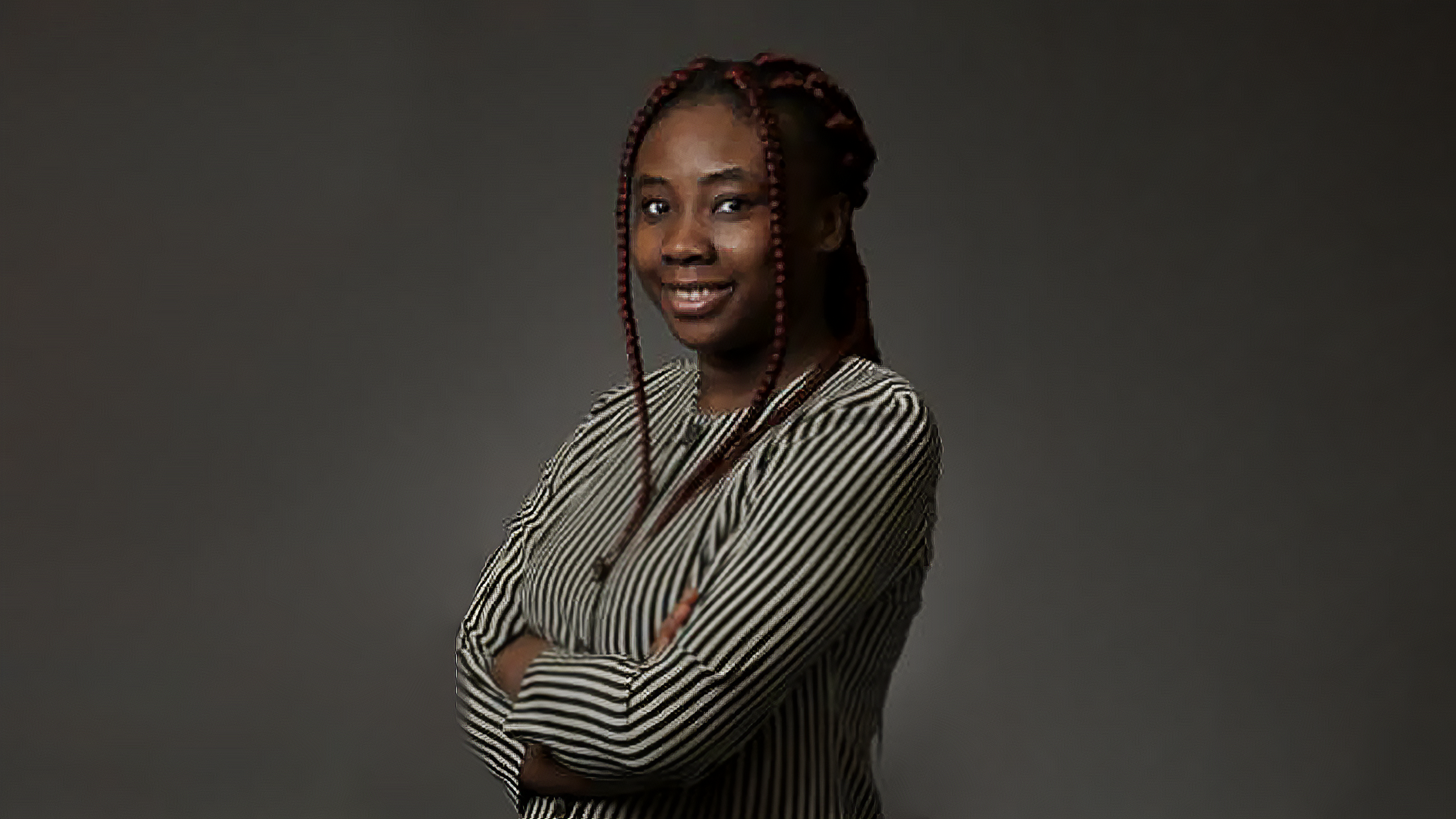
An energy economist, Obianuju Ezenwanne, has warned that Nigeria’s electricity system is under severe strain, describing the sector as a complex network of failures that reinforce each other and make persistent power outages almost inevitable.
Ezenwanne in a statement said many Nigerians underestimate the scale of the crisis, noting that the country’s electricity infrastructure suffers from deep structural weaknesses across generation, transmission and distribution.
“Most people do not realize how deep the problem goes,” she said.
Ezenwanne, who studies how power systems are planned and regulated at the Missouri Public Service Commission in the United States, reviews utility filings, electricity demand forecasts and long-term infrastructure investments.
Drawing from that experience, she said Nigeria’s power sector reveals troubling patterns when examined through the same analytical lens.
According to her, the challenge facing the country is not simply a shortage of power plants or fuel supply.
“The problem is not just a lack of power plants or fuel. It is a system problem. Generation, transmission and distribution all have weaknesses, and they interact in ways that make outages unavoidable,” she explained.

She noted that although Nigeria has more than 13,000 megawatts of installed generation capacity on paper, the national grid in reality delivers less than 4,000 megawatts to a population of more than 200 million people.
The large gap between installed and delivered capacity, she said, reflects multiple failures across the electricity value chain.
Her words: “Most Nigerian power plants rely on natural gas, but pipelines are frequently vandalised or sabotaged, disrupting fuel supply and forcing some facilities to shut down. In addition, several plants remain underperforming due to ageing infrastructure and inadequate maintenance.
“Even when electricity is successfully generated, it must pass through a high-voltage transmission network that is overstretched and prone to system failures. At the final stage, the distribution networks, the wires, feeders and transformers that deliver electricity to homes and businesses are often outdated, inefficient and poorly maintained.
“The result, she said, is a cycle of instability that Nigerians have become accustomed to.
Repeated grid collapses compel businesses and households to rely heavily on diesel-powered generators. While generators keep hospitals running, restaurants operating and small businesses afloat, they also raise operating costs and contribute to inflation across the economy.”
Ezenwanne stressed that a clear understanding of how the electricity system functions is the first step toward addressing the crisis.
“When you look at where the bottlenecks are the gas supply, the transmission lines and the distribution networks you can see what needs urgent attention,” she said.
Her analysis comes at a critical moment for the country’s power sector. The Electricity Act of 2023 has decentralised parts of the industry, granting states greater authority to regulate their own electricity markets.
States such as Lagos, Edo and Enugu are now exploring state-level electricity frameworks, a development that presents both opportunities and challenges as they attempt to balance affordability, reliability and long-term investment.
Ezenwanne said lessons from her work in Missouri highlight the importance of carefully analysing the entire electricity ecosystem from power plants and fuel supply to transmission infrastructure and customer metering systems.
For Nigeria to resolve its electricity crisis, she said reforms must occur simultaneously across several areas.
She added that gas pipelines need to be repaired and secured, power plants properly maintained and upgraded, transmission networks expanded and reinforced, and distribution infrastructure modernised.
“Nigeria’s electricity crisis affects every part of daily life. Every business, every hospital, every home feels it. Understanding the system is the first step toward making sure the lights stay on for everyone all the time,” she said.

