 Follow Us on Google News
 Follow Us on Google Discover
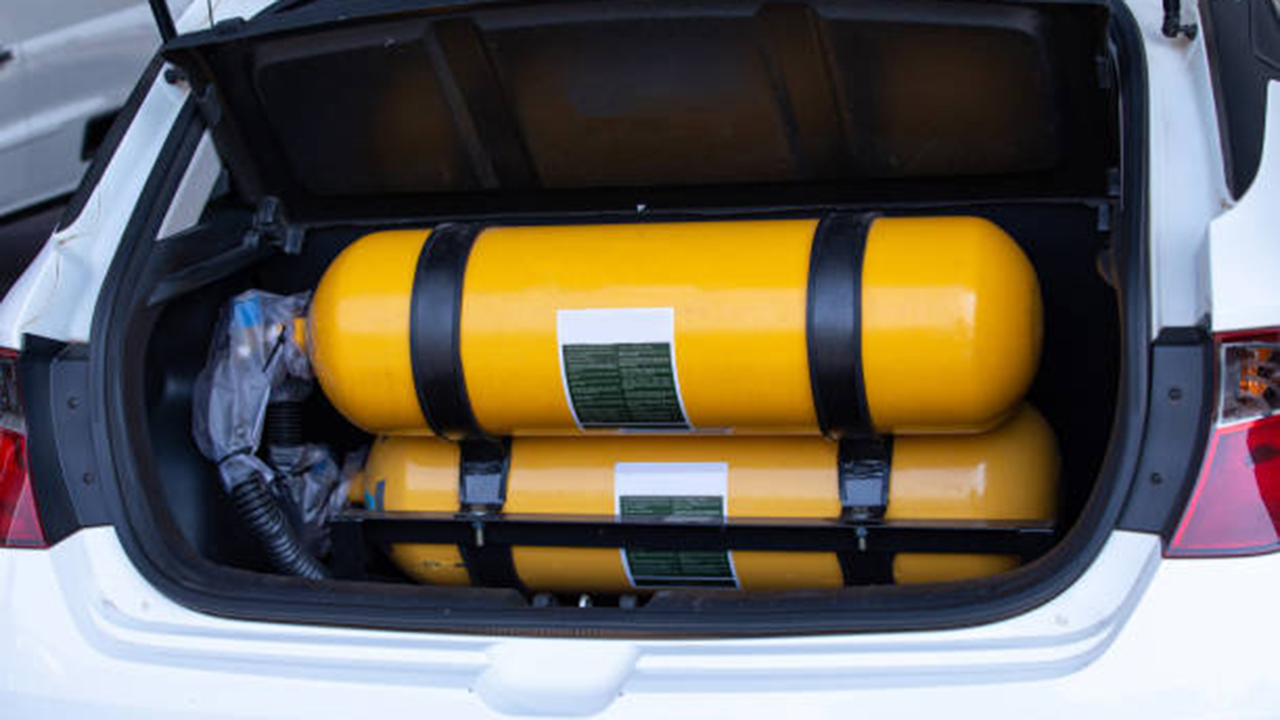 The Director of Strategic Sales, MotorJikov, Jiri Silver, has assured Nigerian vehicle owners and commercial operators not to be scared of deploying compressed natural gas (CNG).
He emphasised that the technology is safe and remains a cleaner alternative to conventional fuel.
He disclosed this during a webinar entitled, ‘CNG mobile refilling stations in Nigeria: implication and safety practices’, Organised by Connect Gas and Energy Group Limited (CGAS Energy).
[ad]
Silver said: “Up to 50 per cent savings in fuel costs, compared with gasoline, CNG has 30 per cent less Co2 emissions, up to 90 per cent lower emission CO and zero emissions of dust particles. Vehicles with CNG are powered with maximum attention, resulting in a safer way to save fuel.”
According to him, with the right application of technology, electricity/CNG infrastructure especially storage facility/dispensers design and trained technicians, CNG mobile refilling stations for vehicles at homes and public refilling stations are safe and faster depending on storage capacity in the car.
He explained that if there is any gas leakage, a design like a gas leakage detector will switch off the facility automatically, adding that the risk of accidents is limited.
Head of Commercial for the Presidential CNG Initiative (Pi-CNG), Tosin Coker, said there are 34 active refilling CNG stations in the country spread across Edo, Abuja, Lagos, Kogi, Ogun and Oyo states.
He disclosed that the Federal government has a massive target of attaining one million CNG vehicle conversions by 2027. Coker emphasised that safety is paramount in the deployment of CNG, noting that CNG is safe if it is done by accredited CNG conversion centres and trained technicians who are properly accredited, adding that the government is on a massive crusade to sensitise Nigerians to patronise only accredited operators.
“CNG is stored in cylinders that are almost indestructible and different to the gas used in the kitchen and have safety mechanisms to ensure that the gas is secured and there is regulatory systems like Standard Organisation Of Nigeria, Nigeria Mainstream/Downstream Petroleum Regulatory Authority, the FRSC and the Nigerian Automobile Design development council in collaboration of with Pi-CNG to create the Nigerian Gas Vehicle Monitoring System.”
[ad]
Firm assures of CNG safety as FG targets one million vehicle conversion
Date: 13 November 2024 4:11am WAT


