 Follow Us on Google News
 Follow Us on Google Discover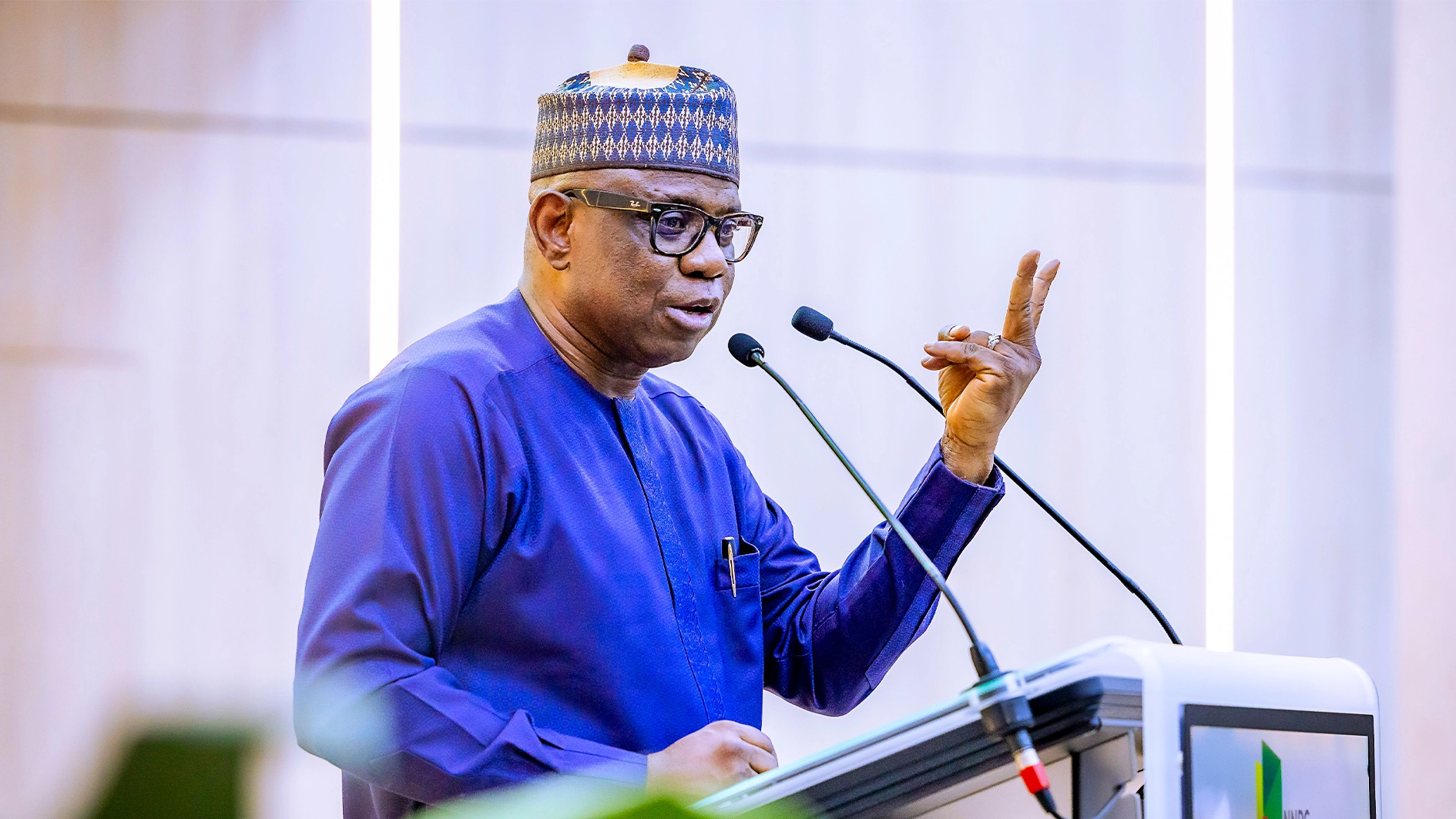
The Northern Youth Groups has defended the Nigerian National Petroleum Company Limited’s N7.13 trillion energy security expenditure recorded in its 2024 audited financial statements, saying the figure should be considered within the company’s responsibilities under the Petroleum Industry Act.
The group also called for continued scrutiny of the national oil company’s finances, arguing that public expenditure must remain open to examination and supported by clear documentation.
In a statement issued on Tuesday, the National President of the group, Abubakar Ibrahim, and its National Secretary, Abutu Ainoko, said the expenditure should not be considered in isolation from NNPCL’s role in maintaining petroleum supply and energy security.
The group’s intervention comes amid renewed public debate over the N7.13 trillion figure contained in NNPC’s audited accounts for the 2024 financial year. The disclosure has prompted calls from political groups and other commentators for more details on how the expenditure was incurred and what it covered.
According to the youth organisation, the financial statements provide context for the expenditure, including NNPC’s role as an energy supplier of last resort and the impact of exchange-rate differences on petroleum supply.
NYG said the Petroleum Industry Act provides a framework under which costs incurred by NNPC as an energy supplier of last resort for energy-security purposes are borne by the Federation.

“Every expenditure involving public resources must be open to scrutiny,” the group said, while maintaining that such scrutiny should take account of the relevant financial records and legal framework.

The organisation argued that the audited accounts offered explanations for costs linked to under-recovery and exchange-rate differentials.
The NNPC’s 2024 financial statements have been reported as showing N7.13 trillion under energy security, with the company’s accounts linking the cost to its obligations in maintaining petroleum supply under prevailing market conditions. Other fuel-related costs and receivables have also featured in the wider debate around the company’s 2024 accounts.
NYG also connected the debate to the Federal Government’s decision to remove the petrol subsidy in 2023.
The group acknowledged that the policy had imposed significant pressure on households and businesses but argued that the reform had reduced the direct burden of financing petrol consumption through public resources.
It said resources previously devoted to subsidising petroleum consumption could instead be directed towards infrastructure, employment and other productive areas of the economy.
“The removal of the fuel subsidy has not been without hardship,” the group said, adding that the long-term outcome of the policy would depend on how government manages the resources and savings arising from the reform.
NYG said Nigerians should be able to see the benefits of petroleum-sector reforms through investment in areas such as roads, healthcare, education, security and energy infrastructure.
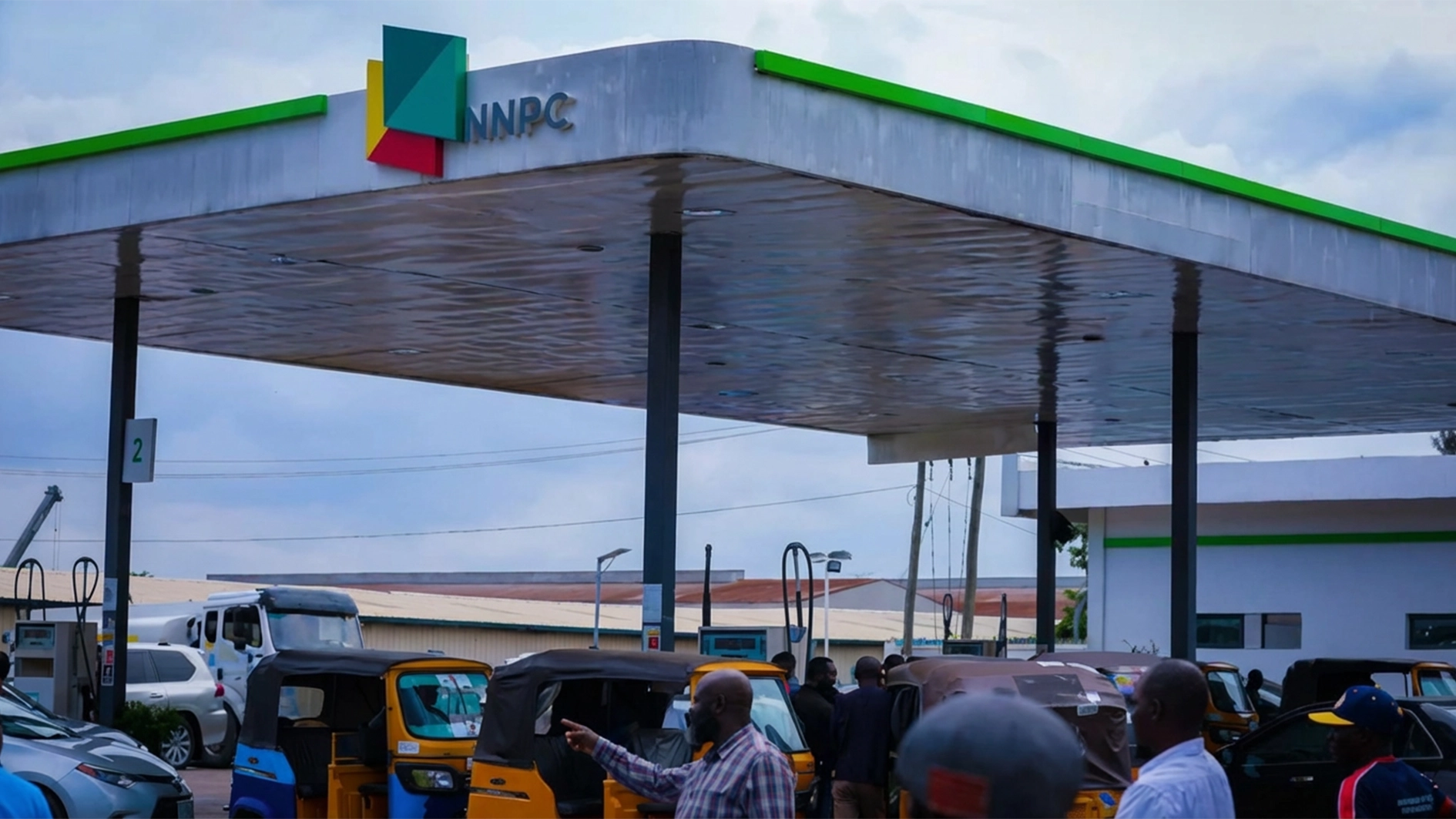
The group also argued that stronger investment in productive sectors could support businesses, create employment and reduce Nigeria’s dependence on imported petroleum products.
The debate over the N7.13 trillion expenditure has, however, become broader than the question of subsidy reform. Recent calls for greater disclosure have focused on the need to establish exactly what the expenditure represents, how the costs were calculated and what outcomes resulted from the spending.
While defending the expenditure, the Northern Youth Groups said questions about NNPC’s financial activities should continue to be addressed through established accountability mechanisms.
It urged the Federal Government to maintain transparency in the management of revenues and savings associated with petroleum-sector reforms.
The organisation also called for continued oversight of NNPC’s financial activities, saying legitimate questions about public expenditure should be answered with documentation rather than dismissed.
NYG said the company’s management should sustain transparency in its operations while ensuring that NNPC continues to support Nigeria’s energy security and wider economic objectives.
The group specifically commended Group Chief Executive Officer Bayo Ojulari for what it described as transparency and accountability in the discharge of his duties.
Ojulari became NNPC’s Group Chief Executive Officer in April 2025, after President Bola Tinubu dissolved the previous board and appointed new leadership. The N7.13 trillion expenditure, however, relates to the company’s 2024 financial year, meaning the spending covered by the audited accounts predates Ojulari’s tenure as GCEO.
That distinction is important in considering the group’s statement. Its comments on the 2024 accounts are directed at the current management’s handling and explanation of the financial disclosures, rather than suggesting that Ojulari personally authorised the expenditure recorded for 2024.
The wider issue remains the extent to which NNPC and the government can provide sufficient information to allow Nigerians and oversight institutions to understand the expenditure.
With public attention focused on the company’s financial relationship with the Federation, calls for transparency are likely to remain part of the debate over energy security, petroleum pricing and the consequences of subsidy reform.

