 Follow Us on Google News
 Follow Us on Google Discover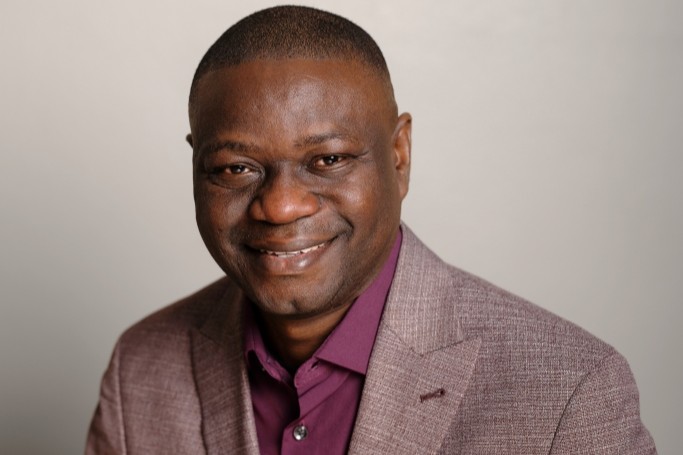
In the evolving energy landscape, the integration of renewable energy sources into existing power grids has become both a necessity and a challenge. As industries and nations shift toward cleaner and more sustainable energy solutions, ensuring seamless power evacuation from renewable sources into the national grid remains one of the most critical aspects of this transition.
One of the most ambitious and transformative projects in Africa is the 16.82MWp Helios Rooftop Solar Project, located in the Tema Free Zones Enclave, Ghana. As the largest single rooftop solar installation on the continent, this project sets a new benchmark for renewable energy integration and grid stability.
At the heart of its success is Joseph Makinde, an engineer and the Managing Director of Blossom Enbel Ventures Limited (BEVL). His company was entrusted with the critical task of designing, procuring, installing, and commissioning the grid connection infrastructure that enables the efficient evacuation of power from the solar PV system into Ghana’s national grid.
Through decades of experience in power systems engineering and project execution, Makinde and his team at BEVL overcame complex technical challenges to deliver a world-class grid integration system. The project involved the installation of 40.5kV Gas-Insulated Switchgear (GIS), ABB Protection Relays, SCADA systems, AC/DC auxiliary power systems, and underground high-voltage cables, all of which played a pivotal role in ensuring the stability and reliability of power evacuation.
A Deep Dive into the Grid Connection Strategy
Unlike traditional power plants, renewable energy sources—particularly solar power—introduce unique operational complexities when interfacing with the existing grid. Without proper synchronization, protection schemes, and real-time monitoring, solar-generated electricity can cause grid instability, frequency fluctuations, and power quality issues.

To counter these challenges, BEVL adopted a multi-layered engineering approach that combined advanced protection systems, real-time monitoring, and automated control mechanisms. The 40.5kV GIS switchgear was strategically installed to handle the high voltage evacuation, while the ABB protection relays were programmed to provide selective fault isolation to prevent system-wide disturbances.
Incorporating a robust SCADA system was another game-changer. This system enables remote monitoring and real-time control, ensuring that the solar power generated is efficiently integrated into the grid without disruptions. The underground power cablingwas meticulously laid out to minimize transmission losses and improve system resilience.
These elements, meticulously designed and executed by BEVL, ensured that the grid connection could handle the fluctuating nature of solar energy while maintaining the stability and efficiency of the overall power system.
A Conversation with the Man Behind the Success
To gain deeper insights into the challenges and successes of executing this groundbreaking project, we had the opportunity to conduct an interview with Joseph Makinde, Managing Director of BEVL. Here’s what he had to say:
Q: The Helios Rooftop Solar Project is Africa’s largest single rooftop solar installation. What was the biggest challenge in ensuring its seamless grid integration?
Makinde: The scale of the project was massive and ensuring that the grid connection infrastructure was robust enough to handle the power evacuation was our top priority. One of the biggest challenges was balancing the intermittent nature of solar energy with the stability requirements of the national grid. Unlike traditional power generation, solar power fluctuates based on weather conditions, so our design had to factor in voltage stability, frequency regulation, and reactive power compensation.
We also had to ensure that our protection and automation systems were fine-tuned to detect and isolate faults instantly without causing widespread blackouts. The installation of ABB Protection Relays allowed us to achieve selective tripping, which means only the affected section of the system is disconnected in the event of a fault, minimizing power disruptions.”
Q: The project required extensive underground cable installations. What were some key considerations in laying these cables for power evacuation?
Makinde: Underground cabling is one of the most critical aspects of grid connection projects, particularly for high-voltage evacuation. We had to factor in:
- Thermal management to prevent overheating and energy losses.
- Mechanical protection to ensure the cables can withstand external stresses over the long term.
- Route optimization to minimize voltage drops and avoid interference with other underground infrastructure.
We conducted extensive simulations to determine the ideal cable depth, insulation type, and spacing, ensuring the system would operate efficiently for decades. Our engineering team worked closely with civil and electrical experts to ensure that all cable joints and terminations met the highest industry standards.”
Q: SCADA integration played a key role in this project. What advantages does this system bring to power evacuation and grid management?
Makinde: SCADA (Supervisory Control and Data Acquisition) is a game-changer when it comes to modern power infrastructure. In this project, our SCADA system provides real-time data on voltage levels, current flow, fault detection, and energy dispatch.
This allows the grid operator to:
- Monitor power flows remotely and adjust dispatch levels as needed.
- Detect and isolate faults instantly, preventing outages from spreading.
- Analyze system performance trends, helping predict and prevent potential failures before they occur.
By integrating SCADA into our grid connection infrastructure, we’ve ensured that this renewable energy project is not only stable but also highly efficient and responsive.
Q: Looking ahead, what does this project mean for the future of renewable energy in Ghana and beyond?
Makinde: This project is a turning point for renewable energy in Africa. It proves that large-scale solar PV projects can be successfully integrated into the national grid without compromising stability.
With the growing demand for clean energy, this project serves as a blueprint for future large-scale renewable energy projects, not just in Ghana but across the continent. The lessons we’ve learned here will help shape future policies and infrastructure designs, ensuring that Africa remains at the forefront of the renewable energy revolution.
The Future of Renewable Energy Grid Integration
The 16.82MWp Helios Rooftop Solar Project is more than just a milestone in renewable energy—it is a case study in engineering excellence and grid integration strategy. Through meticulous planning, advanced protection systems, and real-time monitoring, BEVL has set a precedent for future projects looking to integrate large-scale renewable energy into national grids.
As the world transitions toward sustainable energy solutions, the expertise demonstrated by Engr. Joseph Makinde and his team at BEVL will continue to shape the future of power evacuation and grid stability. The success of this project is a testament to the importance of experience, precision engineering, and strategic innovation in building a sustainable energy future.
This project is not just a success for Ghana—it is a blueprint for Africa and beyond.

