 Follow Us on Google News
 Follow Us on Google Discover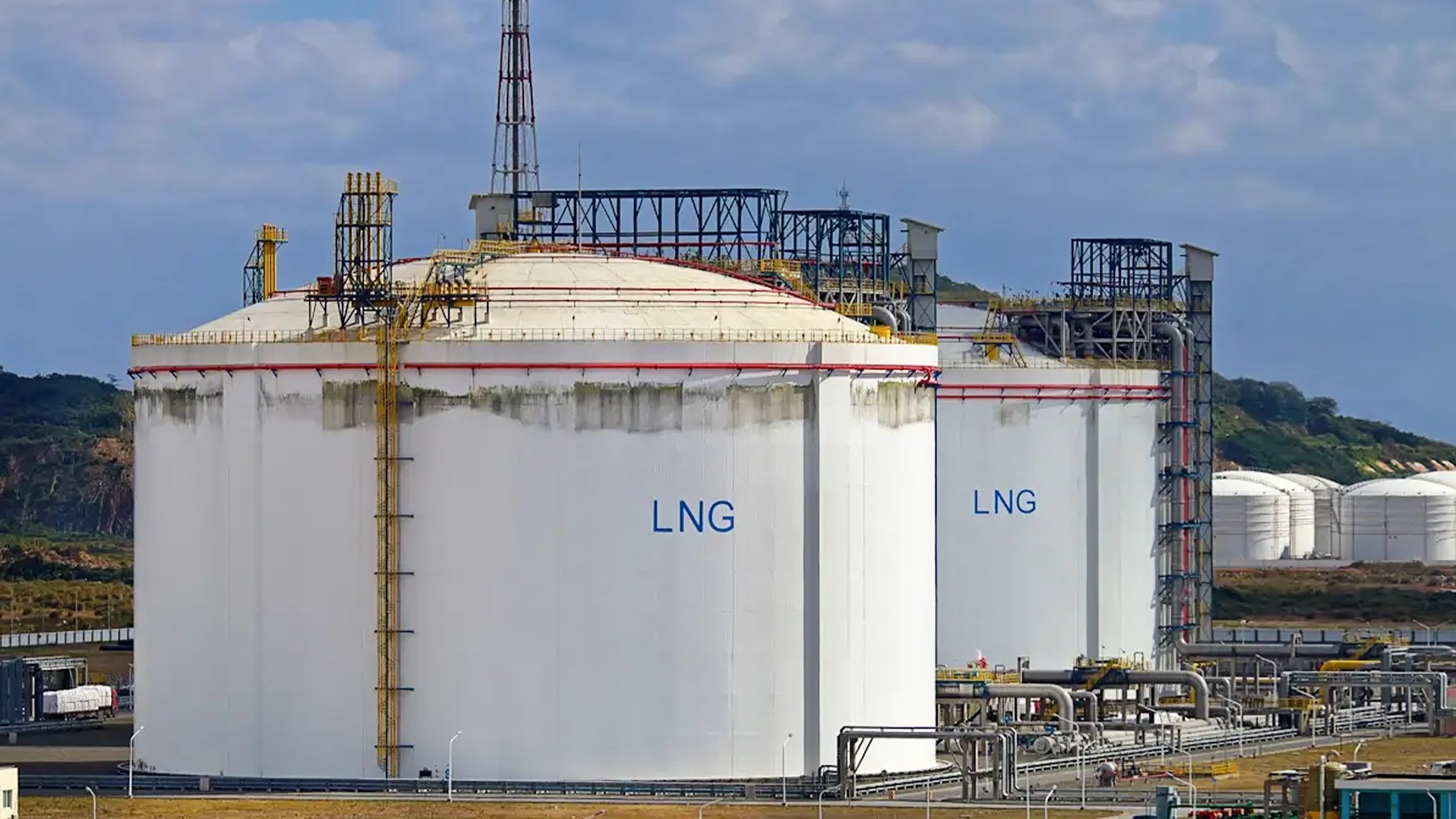
Nigeria’s liquefied petroleum gas (LPG) market slipped into a supply deficit between March and May following refinery outages and import constraints linked to the Iran conflict, forcing the Federal Government to intervene as cooking gas prices surged across the country.
According to Argus analysts Waldemar Jaszczyk and Adebiyi Olusolape in an analysis of the domestic LPG market, they said data from the Nigerian Midstream and Downstream Petroleum Regulatory Authority (NMDPRA) showed that domestic demand outpaced supply during the period, leaving the market with a daily deficit of about 400 tonnes (36,800 tonnes over the three months) after four consecutive months of surplus.
They attributed the shortage largely to lower output from the Dangote Refinery and reduced deliveries from Nigeria LNG (NLNG), the country’s two biggest domestic LPG suppliers.
According to the analysts, market participants said production at the 700,000 barrels-per-day Dangote Refinery, which accounts for about 16 per cent of Nigeria’s domestic LPG output, declined following maintenance on its residual fluid catalytic cracker and increased internal consumption of LPG for power generation.
They added that cargo deliveries from NLNG’s Bonny Island plant, responsible for about 29 per cent of domestic supply, dropped sharply to one cargo in April from the usual five.
The analysts noted that the disruption came despite Nigeria’s significant progress in reducing reliance on imported LPG. They said domestic production supplied about 87 per cent of the country’s 1.61 million tonnes of LPG consumption in 2025, compared with 35 per cent in 2021, driven by increased gas processing output and the commencement of operations at the Dangote Refinery.

As a result, LPG imports fell by half to 205,000 tonnes in 2025, the lowest level in nine years.
However, they observed that soaring international LPG prices and foreign exchange volatility constrained imports needed to bridge the widening supply gap. Daily import volumes dropped from 37,200 tonnes in January and 19,600 tonnes in February to zero in April.
Citing sources at the regulator, the analysts said only about 15,600 tonnes of LPG just over four per cent of the 390,000 tonnes approved for import in the second quarter entered the country.
They said the combined impact of weaker domestic production and lower imports pushed total LPG supply to an eight-month low of 127,100 tonnes in May from 131,600 tonnes in February.
National LPG inventories also fell sharply to 11 days of stock cover from 22 days in February.
According to the analysts, the tightening supply drove up prices, with distributor Banner Energy reporting that the cost of a 20-tonne truckload of LPG at Apapa terminals rose by nearly 50 per cent to N23.1 million by May 21 from N15.5 million in February.
They further noted that higher prices and economic headwinds linked to the Middle East conflict reduced Nigeria’s monthly LPG consumption by 12 per cent to 139,500 tonnes in May, posing a threat to the country’s clean cooking agenda.
Nigeria, the largest LPG consumer in sub-Saharan Africa, is targeting annual consumption of five million tonnes by 2030.
The analysts said the scale of the disruption prompted a policy shift by the Federal Government, which had initially refrained from intervening in the market.
According to them, while authorities maintained the retail LPG price floor at N980 per kilogramme in March despite rising wholesale prices, it was increased to N1,100/kg in April and N1,400/kg in June.
They also noted that the Minister of State for Petroleum Resources (Gas), Ekperikpe Ekpo, convened an emergency stakeholders’ meeting on June 22, calling on security and anti-corruption agencies to support the NMDPRA in tackling product hoarding and price manipulation.
The analysts, however, said supply conditions began to improve in June as combined domestic production and imports rose by 23 per cent month-on-month to about 150,000 tonnes.
They attributed the recovery to increased NLNG deliveries, which rose to 44,000 tonnes in June from 13,000 tonnes in April, as well as lower global LPG prices following the US-Iran peace agreement and weaker Asian demand.
Imports consequently climbed to a five-month high of 25,000 tonnes, with cargoes arriving from the United States, Equatorial Guinea and the United Kingdom.
Despite the domestic shortage, the analysts said Nigeria’s LPG exports surged by nearly 40 per cent year-on-year to a four-year high of 280,000 tonnes in the second quarter, with China importing 155,000 tonnes, India 46,000 tonnes and Turkey 33,000 tonnes.
They observed that although Nigeria introduced a conditional LPG export restriction in 2024 to safeguard domestic supply, the policy has yet to be enforced on the Chevron-NNPC joint venture at Escravos, which accounts for about 23 per cent of domestic LPG production.
According to NMDPRA data cited by the analysts, all 148,000 tonnes produced at the facility between January and May were exported.
While Escravos LPG had previously not met domestic specifications, the regulator recently stated that existing blending capabilities can now make the product suitable for local consumption, offering a potential source of additional supply for the domestic market.

