 Follow Us on Google News
 Follow Us on Google Discover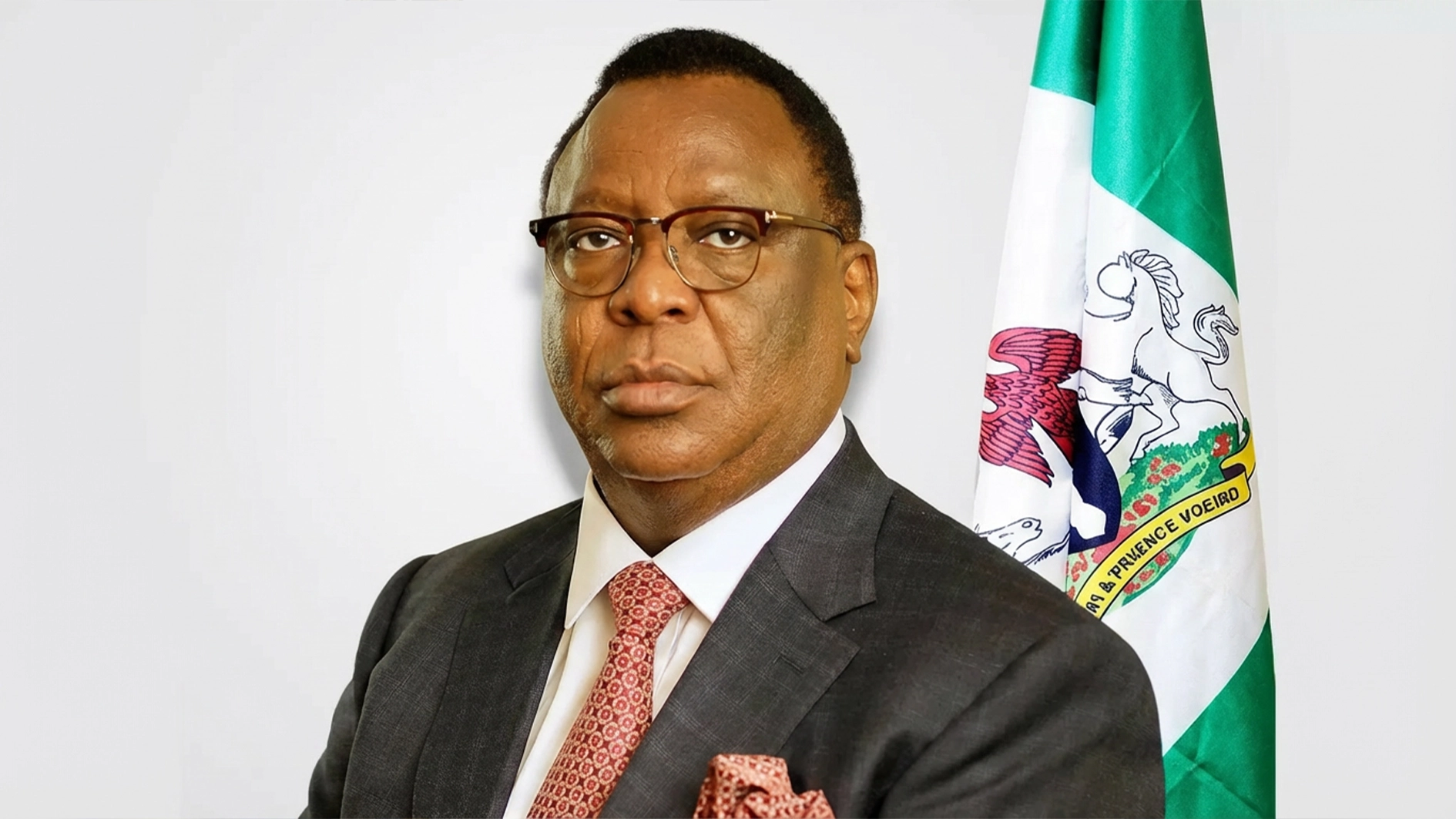
The Nigerian Content Development and Monitoring Board (NCDMB) has expanded its intervention financing scheme for women in the oil and gas sector as part of efforts to deepen inclusion and bridge the gender financing gap within the industry.
Executive Secretary of the NCDMB, Engr. Felix Omatsola Ogbe, disclosed this during his goodwill address at the third edition of the Diversity Sectorial Working Group Annual Women in Oil and Gas Conference.
Ogbe said women empowerment remains central to the board’s capacity development mandate, noting that access to skills must be matched with access to capital for meaningful participation in the energy value chain.
“Recognising that skills alone are not enough without access to capital, NCDMB established the Women in Oil and Gas Intervention Fund, in partnership with the Bank of Industry. This landmark initiative was designed specifically to support female entrepreneurs in the oil and gas sector by providing access to affordable financing and business expansion support,” he said.
He explained that the intervention had enabled women-owned businesses to procure equipment, expand operations and participate more actively in activities across the oil and gas value chain.
According to him, beneficiaries of the scheme cut across logistics and marine services, safety equipment supply and environmental management services.

“This fund is helping to close the gender financing gap and enabling women to transition from participants to owners and leaders within the industry,” Ogbe stated.
The NCDMB boss stressed that women empowerment forms a core pillar of the board’s capacity development strategy under the Nigerian Oil and Gas Industry Content Development Act.
Beyond financing, he said the board had also initiated targeted programmes aimed at strengthening the business and technical capabilities of women entrepreneurs through vendor development schemes.
“Through our collaboration with the Nigerian Content Intervention Fund and financial institutions, women-owned companies have received business training and access to financing,” he added.
Ogbe further disclosed that the board had prioritised technical skills acquisition for women through partnerships with training institutions, including the Petroleum Training Institute and other accredited centres.
He cited the training of women in welding and fabrication under NCDMB-sponsored programmes in collaboration with industrial training centres in Rivers and Bayelsa States as a practical demonstration of the initiative.
“One inspiring example is the training of women in welding and fabrication under NCDMB-sponsored programmes in partnership with industrial training centres in Rivers and Bayelsa States. Several female graduates of these programmes are today employed in fabrication yards, contributing directly to major oil and gas projects within Nigeria,” he said.
He added that the programme was helping to provide dignified livelihoods for women while challenging long-standing stereotypes and encouraging younger generations to pursue careers in the technical segments of the industry.
“These women are not only earning dignified livelihoods but are also breaking stereotypes and inspiring a new generation,” Ogbe added.
The Executive Secretary emphasised that women empowerment should be viewed not merely as a social responsibility but as an economic necessity for the sustainability of the energy sector.
At the conference, themed “Building Bridges, Empowering Women for a Sustainable Energy Future,” the Chairman of the Planning Committee, Michele Branco Aiyegbusi, said the 2026 edition was intended to move inclusion from rhetoric to practical implementation.
She described the theme as a reflection of the urgency required to address structural and cultural barriers influencing participation and leadership in the industry.
“The 2026 event is not just a gathering of professionals; it is a deliberate statement that inclusion in the oil and gas sector must move from aspiration to action,” Branco-Aiyegbusi said.
Speaking in the same vein, the Chairman of the NCCF Diversity Sectoral Working Group, Alero Onosode, said there had been a significant rise in the visibility of women in leadership positions across the oil and gas landscape.
“Across Nigeria’s oil and gas landscape, we see renewed activity, reform, and growth. And alongside this momentum, we see something equally significant: the rise of women into visible, influential leadership roles,” she said.
She added that industry transformation had been driven by deliberate efforts to promote gender diversity and equal opportunity.
“We celebrate the regulators, CEOs, directors, engineers, and policymakers who are shaping strategy and transforming rooms that were once dominated by a single voice. The landscape is changing – and that change has been driven by intentional effort,” Onosode stated.
She explained that building bridges required collaboration across sectors and generations, stressing that diversity should be translated into productive partnerships and measurable outcomes.
“Building bridges means bridging sectors, generations and perspectives. It also means women and men working together, turning diversity into strength and collaboration into results,” she added.
During various panel sessions at the conference, stakeholders called for increased representation of women in strategic and technical positions within the oil and gas sector.
In a related development, the Director of the NNPC Academy, Folashade Adekeye, announced that the Nigerian National Petroleum Company Limited would launch its women’s group on Monday, as part of efforts to strengthen gender inclusion within the national oil company’s workforce and leadership structure.

