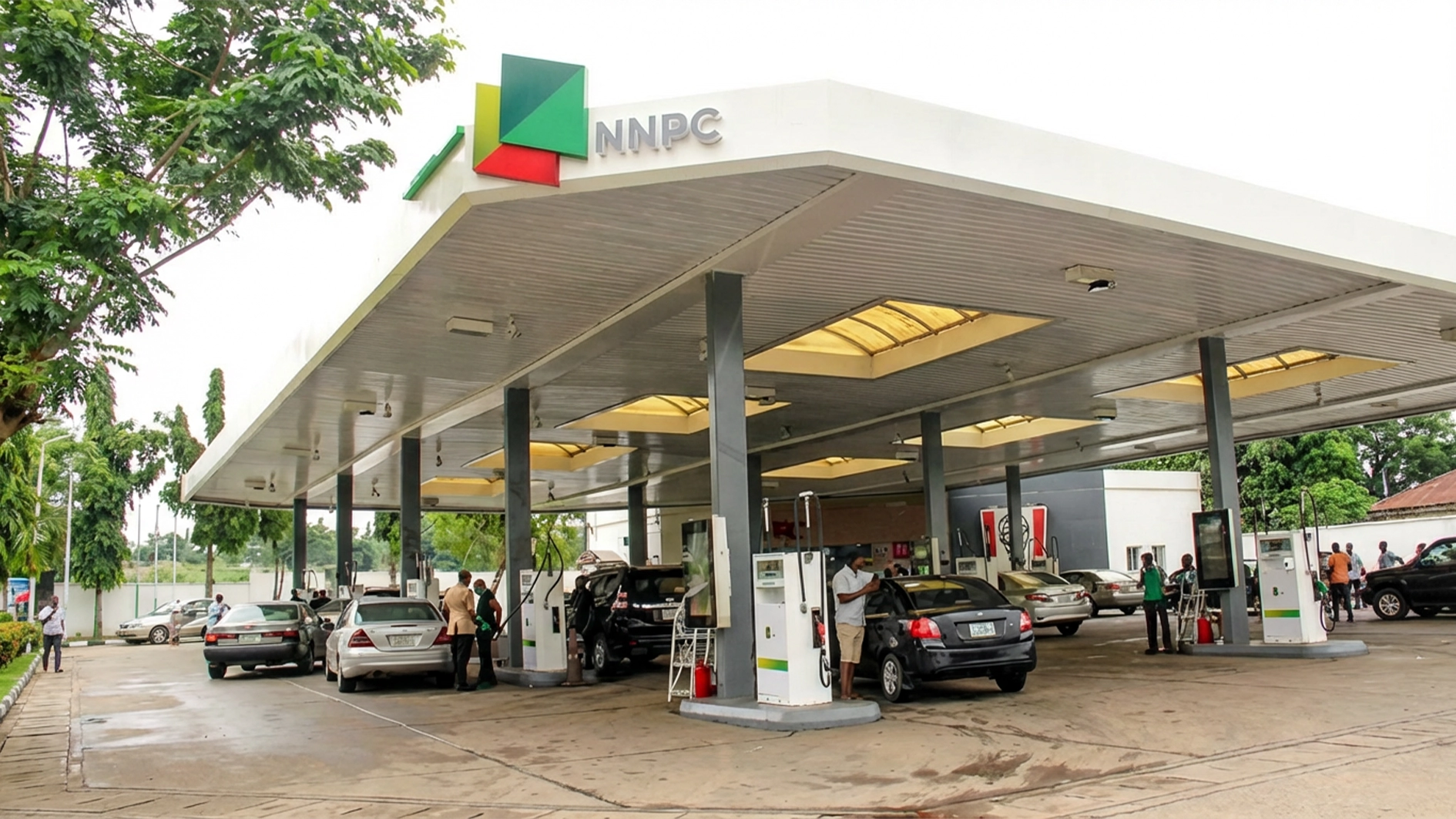
The Nigerian National Petroleum Company Limited (NNPC) has commenced moves to sell stakes in some of its oil and gas assets, according to a report by Reuters.
The state-owned energy firm is seeking to optimise its portfolio and attract fresh investment into the sector. An invitation document released on Monday confirmed that bids had been solicited from interested investors, though the size of the stakes and the amount expected to be raised were not disclosed.
The report stated, “The Nigerian National Petroleum Company Limited, the state-owned energy company of top African oil producer Nigeria, plans to sell stakes in some of its oil and gas assets and has called for bids.”
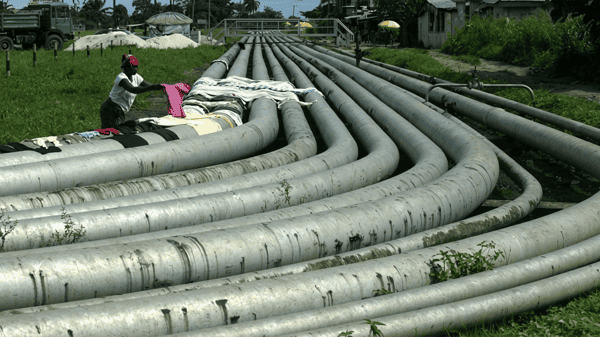
NNPC holds interests in several assets, some wholly owned and others operated in partnership with international oil companies, including Shell, Chevron, Eni, and TotalEnergies.
According to the invitation, prospective bidders must register online by 10 January. A pre-screening process will follow, after which qualified firms will gain access to a secure virtual data room containing detailed information on the assets. Prequalification will be based on technical and financial capacity, followed by document evaluation, negotiations, and regulatory approvals.
The move aligns with earlier indications that NNPC was considering the sale of at least 25 per cent of its equity in select fields, either through outright divestments or reductions in its interests. Oil sector unions had previously opposed such plans, citing concerns over job losses and strategic implications.
Debt cancellation
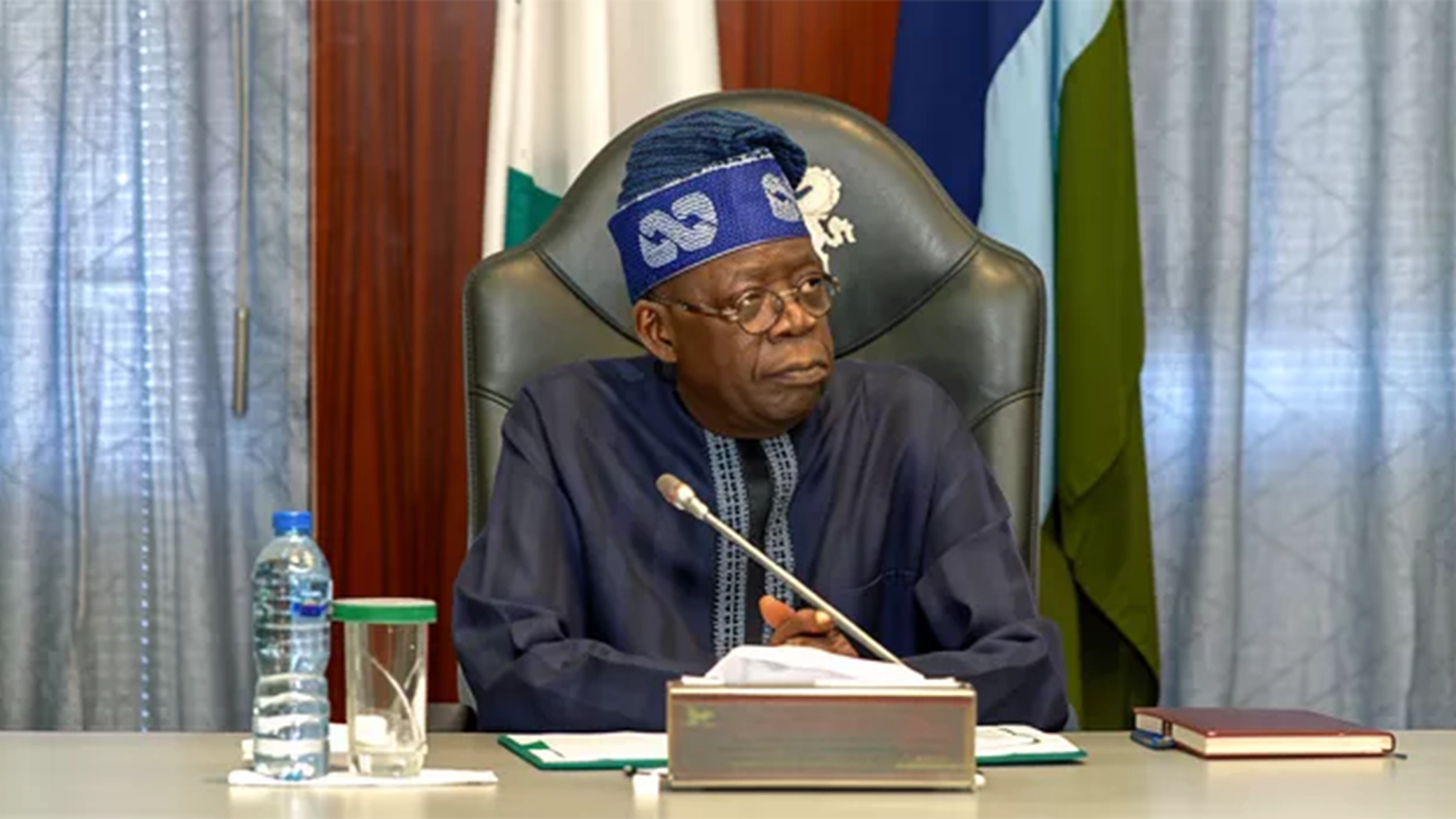
Meanwhile, President Bola Tinubu has approved the cancellation of about $1.42 billion and ₦5.57 trillion in outstanding obligations owed by NNPC to the Federation Account Allocation Committee (FAAC). The approval followed recommendations by a stakeholder alignment committee, which examined the company’s royalty and lifting-related liabilities up to 31 December 2024.
The Nigerian Upstream Petroleum Regulatory Commission (NUPRC) explained, “However, the commission recently received a Presidential Approval to nil off the outstanding obligations of NNPC Ltd as at 31st December 2024 as submitted by the Stakeholder Alignment Committee on the Reconciliation of Indebtedness between NNPC Ltd and the Federation.”
Despite the cancellation of legacy debts, new obligations incurred in 2025 remain. The NUPRC reported statutory obligations between January and October 2025 at $56.8 million and ₦1.02 trillion, with partial payments reducing the balance.
In September, the Petroleum and Natural Gas Senior Staff Association of Nigeria (PENGASSAN) had alleged that the federal government planned to sell significant stakes in joint venture assets managed by NNPC.
The association said, “The government is wanting to reduce its stake in these assets, principally, they want to sell some huge percentages in these assets. In some places, sell up 35 percent, in some places sell up 30 percent, so that they will have some cash to spend in other areas. That is the excuse that they are giving.”
Separately, in October 2025 following PENGASSAN warning, Alhaji Aliko Dangote, President of the Dangote Group, rejected suggestions that he could acquire one of the government’s refineries, stating that he preferred to expand the capacity of his Lagos refinery from 650,000 barrels per day to 1.4 million bpd.
Dangote said, “Buying those refineries? Once we touch them, you will hear a lot of noise. There are other people with a lot of money, maybe more cash than we have, who we believe should go and try their own luck, so that there won’t be talk about monopoly.”
Furthermore, the NNPC has said it is currently conducting a technical and commercial review of the Port Harcourt, Warri and Kaduna refineries to determine whether to overhaul or repurpose them for improved efficiency. The company said the review is aimed at repositioning the facilities as commercially viable assets capable of meeting domestic fuel demand.
The Group Chief Executive Officer of NNPC, Bayo Ojulari, recently said the review would guide decisions on engaging technical equity partners with experience in operating refineries, as part of efforts to improve performance and sustainability across the downstream sector.