 Follow Us on Google News


 Follow Us on Google Discover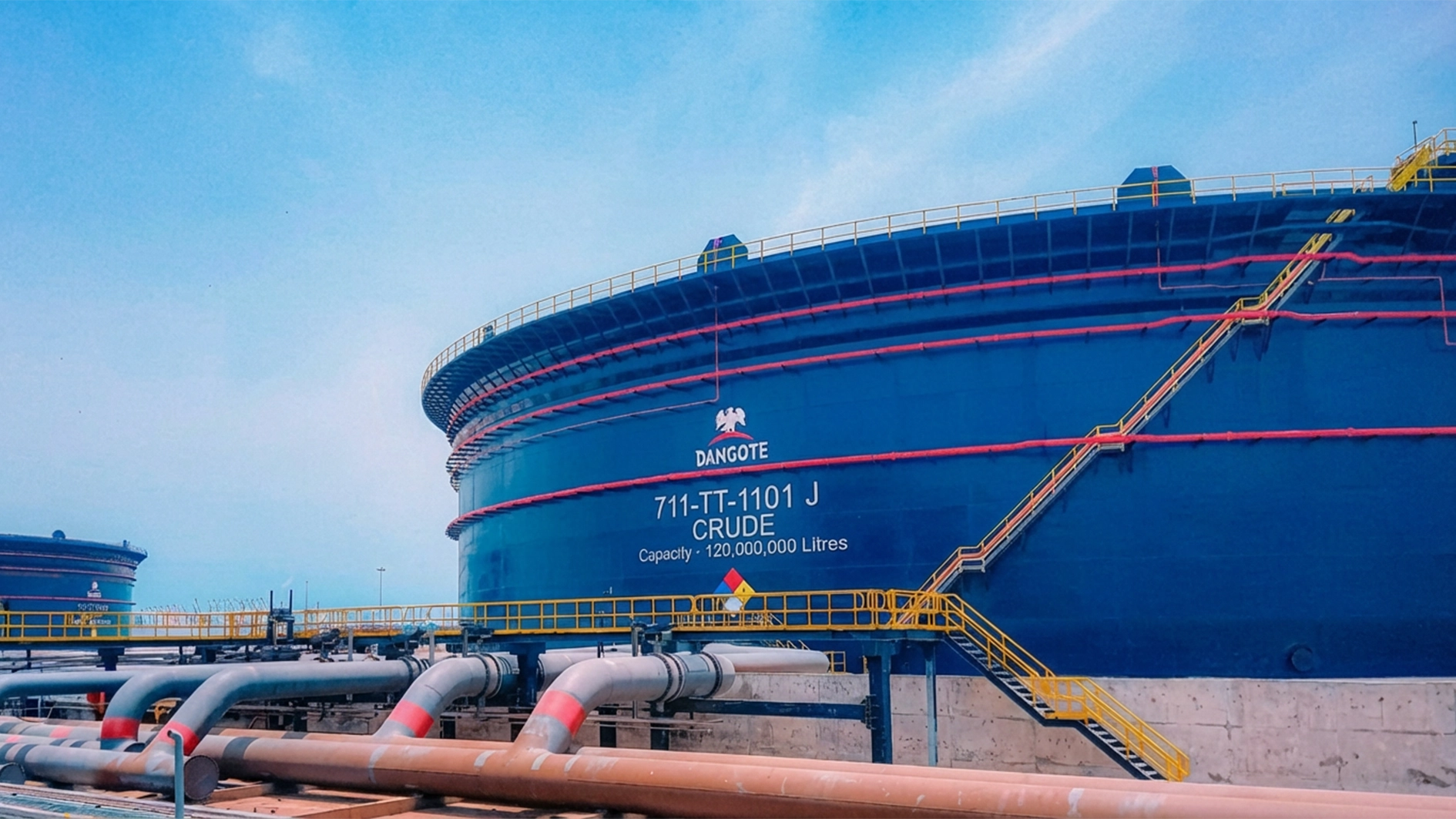
International oil prices climbed to their highest levels in more than a month on Monday as renewed conflict in the Middle East heightened fears of supply disruptions, adding fresh uncertainty to Nigeria’s downstream petroleum market shortly after Dangote Petroleum Refinery switched domestic sales of refined products to dollars.
Brent crude futures settled at $89.22 a barrel, up $1.12 or 1.3 per cent, after rising to an intraday high of $91.42, its highest level since June 11. U.S. West Texas Intermediate (WTI) crude gained 74 cents or 0.9 per cent, to settle at $83.23 a barrel after touching $85.39, the highest since June 12.
The rally coincided with growing concerns in Nigeria’s downstream sector, where marketers are adjusting to Dangote Petroleum Refinery’s decision to invoice for product sales in dollars due to constraints in accessing sufficient domestic crude under the Federal Government’s naira-for-crude arrangement.
In its latest Commodity Macro Review, Argus Media attributed the surge in oil prices to escalating hostilities in the Middle East, which have disrupted key global shipping routes.
“Brent and WTI crude futures surged through $80/bl as Middle East exports again shuddered to a halt after repeated Iranian strikes on vessels attempting to cross the Strait of Hormuz (SoH) on routes outwith Tehran’s direct control,” the report said.
Argus said tanker and bulk commodity movements through the Strait of Hormuz fell sharply over the weekend as hostilities between the United States and Iran intensified, while renewed threats to Red Sea shipping compounded concerns over crude and refined product supplies. The report added that intensified U.S. air and missile strikes on Iranian military and logistics infrastructure triggered retaliatory attacks on American military installations in Kuwait, Bahrain, Jordan and Saudi Arabia, increasing fears of a broader regional conflict with implications for global energy trade.

Beyond crude, Argus said attacks on Russian oil refineries have caused domestic fuel shortages, prompting Moscow to ban diesel exports and reducing Russian seaborne oil product exports in June compared with May.
The tightening supply picture has also filtered into refined product markets. Argus noted that European diesel cracks ended the week at a record level above $80 per barrel as demand strengthened ahead of the northern hemisphere holiday and harvest season, while European natural gas prices climbed to their highest level since March after liquefied natural gas cargoes were diverted to Asia.
The development comes as independent petroleum marketers have raised concerns that dollar-denominated fuel purchases would increase their foreign exchange requirements and make the downstream sector more vulnerable to volatility in both crude prices and the naira.
Although the commencement of operations at Dangote Refinery has significantly reduced Nigeria’s dependence on imported petrol, prices of refined petroleum products remain largely influenced by international crude benchmarks, freight costs and foreign exchange movements. The refinery had explained that the mismatch between buying crude largely in dollars and selling refined products in naira had become unsustainable, prompting the shift in its sales currency.
The latest rally in international crude prices means refiners purchasing crude at global market rates face higher feedstock costs. With marketers now buying products from Dangote in dollars, movements in international crude prices and exchange rates could have a more direct influence on product acquisition costs across the domestic market.
Argus also warned that renewed commodity price increases are adding to global inflationary pressures, noting that U.S. consumer inflation slowed to 3.5 per cent in June but renewed spikes in commodity prices could complicate the inflation outlook.

