 Follow Us on Google News
 Follow Us on Google Discover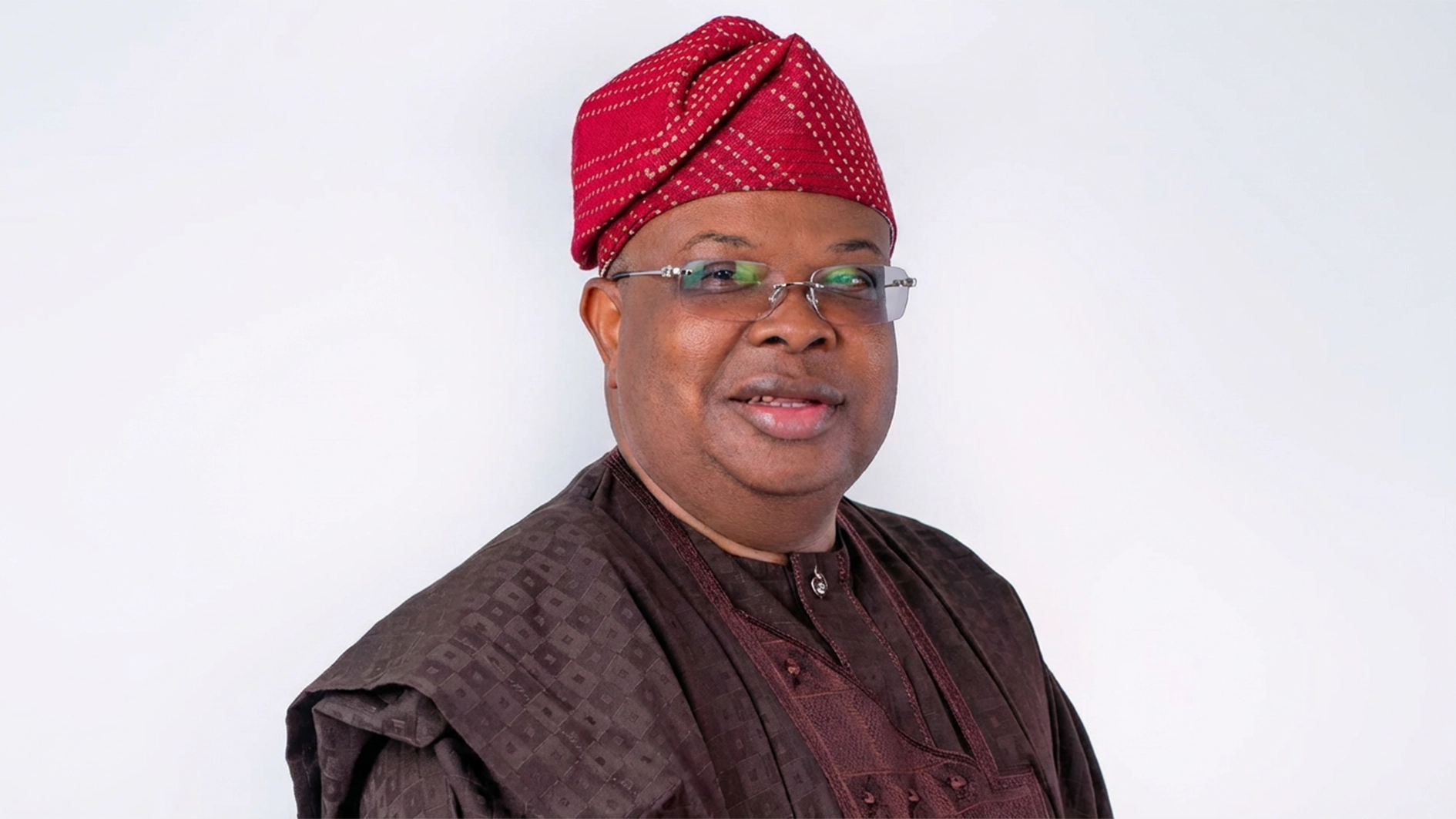
Nigeria’s power sector has once again come to the spotlight following the swearing-in of the new Minister of Power, Joseph Tegbe, by President Bola Tinubu, amid deepening structural challenges that continue to constrain electricity supply and financial viability across the industry.
The development, which may make or further detract from Tinubu’s achievements, Tegbe, like the President, promised to “hit the ground running”.
In his first official remarks after swearing in Abuja, Tegbe pledged “honesty and diligence” while outlining a structured roadmap anchored on discipline, measurable milestones and public accountability.
Although previous administrations made similar promises with little to show, Tegbe revealed that engagements with key institutions, including the Transmission Company of Nigeria (TCN), Niger Delta Power Holding Company (NDPHC), Nigerian Electricity Regulatory Commission (NERC), and Rural Electrification Agency (REA), had already commenced, with a shared commitment to deliver reforms.
His assurances come at a time when Nigeria’s electricity output remains stubbornly low despite a nominal installed capacity exceeding 13,600 megawatts (MW).
Data from NERC indicates that only about 4,853.69 MW was available on average in 2025, translating to a plant availability factor of just 37.43 per cent.
In practical terms, this means that more than 62 per cent of the country’s generation capacity remains idle due to a mix of technical inefficiencies, gas constraints, maintenance issues and transmission bottlenecks.
Against this backdrop, Tegbe pointed to early signs of operational improvement. Notably, the revival of the 450MW Alaoji Open Cycle Power Plant, previously dormant for three years, has restored up to 375MW to the grid.
Similarly, new transmission infrastructure energised at Katampe in Abuja and substations in Ayede and Abeokuta are expected to ease constraints in key load centres.
While these incremental gains signal intent, they barely scratch the surface of systemic issues that have plagued the sector for decades, including a crippling liquidity crisis that continues to undermine the entire electricity value chain.
Figures from the Nigerian Bulk Electricity Trading Company (NBET) show that between May and October 2025, power generation companies (GenCos) issued invoices totalling N1.531 trillion but received only N547.37 billion, just 35.7 per cent of their expected revenue. The resulting shortfall of N984.3 billion reflects persistent tariff inadequacies and collection inefficiencies, leaving operators unable to meet operational and financing obligations.
By December 2025, total sector debt had ballooned to over N6 trillion, according to industry estimates, raising concerns about the sustainability of government interventions and the growing risk of asset deterioration. Without urgent liquidity injection or tariff reforms, experts had warned that generation capacity could decline further, negating any short-term gains.
Tegbe acknowledged these challenges indirectly, noting that discussions with international development partners had yielded “positive signals” regarding potential liquidity support. However, such interventions, often in the form of concessional loans or guarantees, have historically provided only temporary relief without addressing underlying structural distortions.
Another critical issue confronting the new minister is the persistent metering gap, which continues to erode consumer trust and revenue assurance. NERC data shows that more than 72 per cent of electricity distribution companies (DisCos) failed to meet minimum metering thresholds as of February 2026, leaving over five million consumers subjected to estimated billing.
Only three utilities, Abuja, Eko and Ikeja DisCos met the required benchmarks, underscoring a widespread failure to deploy metering infrastructure despite multiple government-backed initiatives. This shortfall not only fuels public dissatisfaction but also exacerbates collection losses, further deepening the sector’s financial crisis.
On consumer protection, Tegbe reiterated NERC’s recent directive mandating compensation for Band A customers affected by supply shortfalls earlier in the year.
While this signals a more assertive regulatory stance, its effectiveness will depend on enforcement and the financial capacity of DisCos, already burdened by debt.
The minister also appealed for patience, acknowledging that decades of underinvestment, policy inconsistency and governance challenges cannot be reversed quickly.
“We will not promise what we cannot deliver,” he said, adding that Nigerians should expect “visible improvement and honest communication.”
Yet, the scale of the crisis suggests that incremental reforms may not suffice, as market operators have argued that a comprehensive reset, encompassing cost-reflective tariffs, targeted subsidies, aggressive metering rollout, and stronger enforcement of market discipline, is essential to restore confidence and attract private investment.
For many Nigerians, the immediate test for Tegbe will be translating early momentum into tangible, system-wide improvements. With electricity supply still hovering around 4,000MW for a population exceeding 200 million, the stakes remain high.
Whether the new minister’s reform agenda can break the cycle of underperformance will depend not only on policy clarity but also on political will, particularly in confronting the difficult trade-offs inherent in pricing, subsidies and sector governance.

