 Follow Us on Google News
 Follow Us on Google Discover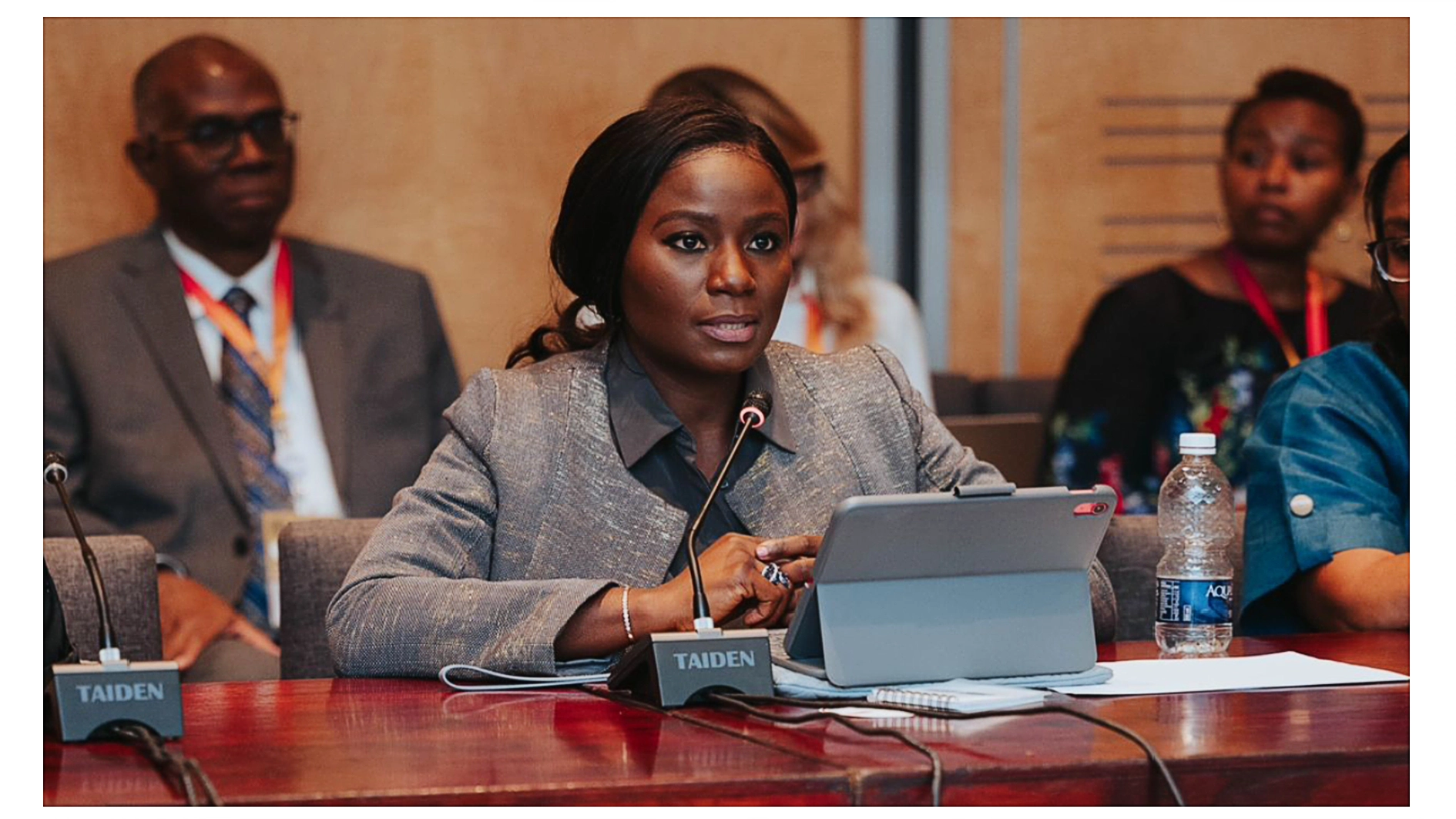
The Women in Energy Network (WIEN) has called for urgent structural reforms in Nigeria’s oil and gas industry, warning that systemic barriers continue to limit women’s participation across the workforce, leadership and enterprise ownership.
During a policy engagement with the Senior Special Adviser (SA) to the WIEN President, Olu Verheijen, presented sector data revealing persistent gender gaps as women account for just 18.2 per cent of Nigeria’s energy workforce and 25.6 per cent of leadership roles.
Despite over 35,000 companies active on the Joint Qualification System (JQS) platform, less than two per cent are women-owned. Furthermore, women represent only 17 per cent of current STEM enrolments, signalling a constrained future technical pipeline.
WIEN highlighted that the $40 million Women in Energy Fund, supported through the Nigerian Content Development and Monitoring Board (NCDMB) and the Nigerian Export-Import Bank (NEXIM), remains underutilised, not because of a lack of capable women-owned businesses, but due to limited access to bankable contract opportunities.
The Network warned that the current procurement structure entrenches a circular constraint for emerging firms.
“No asset → No contract → No financing → No asset. This is not a social issue. It is a structural and strategic issue. Nigeria cannot achieve its energy security objectives while half of its population remains underutilised,” WIEN stressed.

The engagement also highlighted the need for stronger representation of women at the board level, noting that governance diversity enhances capital allocation, risk oversight, and long-term sector resilience. WIEN further urged the strengthening of the STEM pipeline for young women through targeted internships, mentorship programs, and industry-backed exposure initiatives.
Verheijen acknowledged the challenges and expressed commitment to promoting policies that ensure women are not structurally locked out of economic opportunities in the oil and gas industry before they are given a fair opportunity to grow.
Reaffirming its position, WIEN said diversity, equity and inclusion (DEI) in Nigeria’s energy sector is not tokenism or entitlement, but a strategic imperative tied to capital formation, competitiveness and long-term energy security.

