 Follow Us on Google News
 Follow Us on Google Discover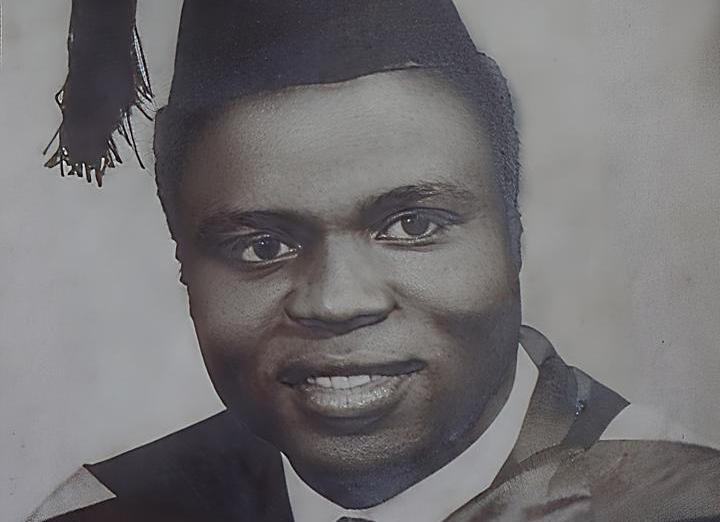
Dr. Andrew Sunday Adebola, retired don at the University of Ilorin, passed on July 12, 2025 aged 79, and buried on September 6 in Kabba, Kogi State.
When I learned that my cousin passed, I was not at all saddened. Instead, I felt a sense of relief and of joy. At last, he had gone home to be with the Lord. This feeling of joy, instead of mourning, compelled me to revisit the Holy Scriptures, to remind myself of the meaning of the death in Christ.
The passing of a loved one can be a reminder of our own mortality, as well as the import of it. The Holy Book says in Ecclesiastes 7:2 (KJV), “It is better to go to the house of mourning…for that is the end of all men; and the living will lay it to his heart”. Benjamin Franklin similarly said “It is better to go to the house of mourning than to go to the house of feasting, for in the former we are reminded of the mortality of all men, and it behooves us to be prepared.” This encourages reflection both on our lives and our priorities first, in the face of the loss of a loved one, and second in consideration of which side of ‘the Great Divide’ we shall spend eternity.
Mortality is inevitable to human existence. Says Apostle Paul: “it is appointed unto men once to die…” As we confront the passing of others, we are reminded of our own finite time on earth. This can catalyze introspection, reevaluation of values, relationships, and life’s purpose because, as Paul added, “after this [comes] the judgment (Heb. 9:27).
Benjamin Franklin emphasizes the importance of being prepared for life’s uncertainties, the most severe, complete, and final of which is death. To be prepared involves cultivating wisdom on the best way to live a meaningful and fulfilling life, as well as of living with intention. Dr. Wayne W. Dyer (2004:3) defines ‘intention’ in this context as is “a strong purpose or aim, accompanied by a determination to produce a desired result”. By prioritizing what truly matters, we can navigate life’s challenges with intentionality, clarity, and purpose.
For Christians, the concept of mortality assumes a different perspective. The Bible assures us that to be absent from the body is to be present with the Lord (2 Corinthians 5:8); this promise brings comfort, hope, and reminds that time on earth is a precursor to eternal life. We ponder death without fear, even with confidence that it is merely, yes merely, a gateway to the other hidden but indescribably better side of this life.

The loss of a loved one generates, naturally, a range of emotions. We however, we find comfort in the memories of the good and the not so good times that we shared. We also draw strength from our faith, knowing that our loved ones are now in the presence of the Lord, a place where holds, as Franklin puts it “a party of pleasure that is to last forever”.
The passing of ‘Broda’ Sunday starkly reminds me of the ephemerality of life and the inevitability of death. I now acknowledge with greater clarity, the reality of my own mortality on the one hand and, paradoxically, immortality on the other hand. Needless to say, this applies to all men.
By acknowledging that our time is limited, we are encouraged to make the most of every moment, nurture our relationships, and pursue our passions with purpose. Henri Nouwen observes: “Dying and death can often bring fear. But the experience of dying and caring for the dying can become the deepest experience of love”. It reminds that life is precious and fleeting. This can inspire us to take three key steps.
First, we appreciate the present moment, focus on what truly matters here and now, and let go of worries about the past or the future. Second, we learn to nurture meaningful relationships, to cherish the people in our lives, to be grateful, and to love while we can. Third, we pursue our passions, make the most of time, and engage in only activities that bring joy and fulfillment.
Mortality can be a sobering reality, it is also a universal human experience that can bring people together. By acknowledging our shared vulnerability, we can find common ground and support one another in times of need. For people of faith, mortality can also be a reminder of the promise of eternal life, offering hope and comfort in the face of a present loss.
Death, someone wrote, is that other side turned away from us. While we are on this side, it behooves we live a meaningful life –of value, of purpose –in sum, for the common good. This can assure our personal sense of fulfillment and happiness. Indeed, Wayne Dyer recommends that the way to individual happiness is to pursue the happiness of the collective. I cannot agree more.
Again, Benjamin Franklin, revered figure in American history, has much to teach in these respects. He urges that we seek wisdom from various sources. He suggests that combining the insights of a good book, a wise friend, and a skilled physician can provide a wealth of knowledge and guidance. This approach, by encouraging openness to learning from different perspectives and from experts, fosters personal growth and informed decision-making. Franklin further advises that we reconcile with the fact and inevitability of our death by paying a visit to a “house of mourning” where the sobering impact will encourages us to approach life with intention, purpose, and gratitude.
How can we apply Franklin’s insights to our lives? One, seek diverse perspectives to life, combining the wisdom garnered from various sources to gain a deeper understanding of the world and its complexities. Two, reflect on and acknowledge the finiteness of life, and let this awareness guide our priorities and decisions. Three, make the most of every moment by living intentionally.
Broda’s passing is what the Holy Scriptures call “dead in Christ”, a phrase pregnant with a message that stirs in my heart both joy and wonder. I am heartened by the eternal promise that believers experience instantaneously upon departing this life. This itself it was for me a transformative experience.
The Bible says to be absent from the body is to be present with the Lord (2 Corinthians 5:8) where, says the Psalmist “there is an abundance of joy”. This promise is a cornerstone of our faith, and it brings comfort and hope to those whose loved ones died in Christ.
The powerful reminder of the immediacy of salvation is a testament to the finished work of Christ on the cross. When we put our faith in Christ, we are not just saved from the penalty of sin; we instantly receive also the gift of eternal life. “For God so loved the world that He gave His one and only Son, that whoever believes in Him shall not perish but have eternal life” (John 3:16).
Adebola was a believer who walked the narrow but straight path way to heaven. Despite the vicissitudes of life, including the agony of a wasting disease, he remained faithful in his walk with God. His life was a testament to the power of faith and the sustaining grace of God. I am immeasurably thankful that he died in Christ. By the redemptive power of Christ, he is home at last, alleluia!
• Megbolugbe, Director of GIVA Ministries International, retired professor at Johns Hopkins University, Fellow of the Royal Institution of Chartered Surveyors, resides in the United States.

