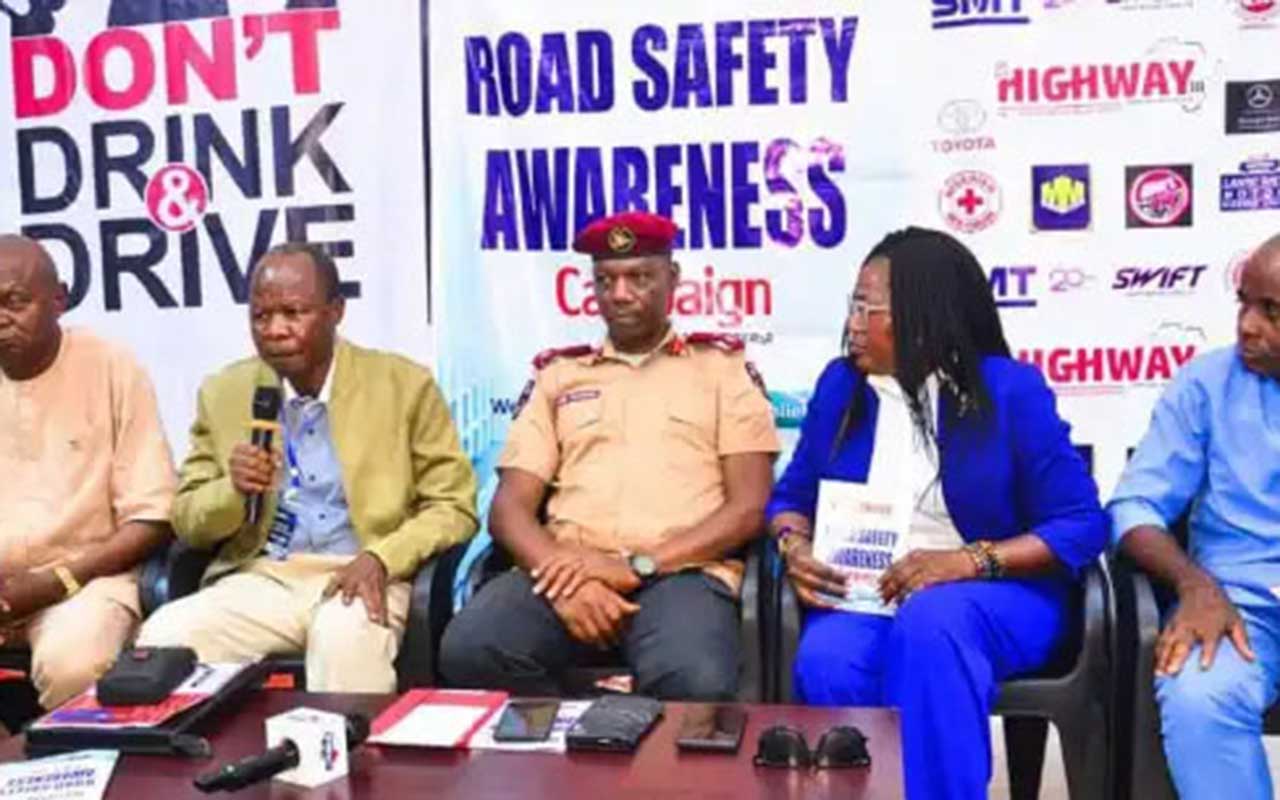
A non-profit organisation, GreenLight Initiative has said truck and ambulance drivers who are responsible for the transportation of medical supplies, patients, and logistics needed for COVID-19 management in Nigeria are ill-trained and not properly equipped.
Executive Director of the group, Simon Obi disclosed this while training drivers in the essential services in collaboration with Lagos Ministry of Health and Federal Road Safety Corps (FRSC) in Lagos.
Obi said with more than 80 per cent of Nigeria’s economic activities hinged on road transport with people and goods needing to move from point A to B for daily lives, many drivers commute without applying safety protocols, contributing to further spread of the COVID-19 virus. Those affected are motorists who are responsible for truck and ambulance operations in Nigeria.
He said drivers who transport people from one place to another are relevant to ending COVID-19 in Nigeria. “We find it imperative that drivers must be trained. The training is not about COVID-19 alone.”
The Director of the Lagos State Ambulance Service (LASAMBUS), Olusegun Kola-Korolo, said the training would broaden the scope of drivers on the need for safety especially as the second wave of the pandemic has surfaced.
Kola-Korolo expressed optimism that the training would be passed to more drivers in the private sector with intent to minimise road fatalities.
In his remarks, Fellow of the Environmental Rights Campaign, West Africa, Dr Promise Jacobs, said it is important for ambulance drivers to imbibe the culture of health safety while optimising ventilation in vehicles during transportation of personnel to hospitals.
Jacobs said drivers must ensure they monitor and document the health status of all staff involved in the transfer and transport including activities performed during contacts with patients.