 Follow Us on Google News
 Follow Us on Google Discover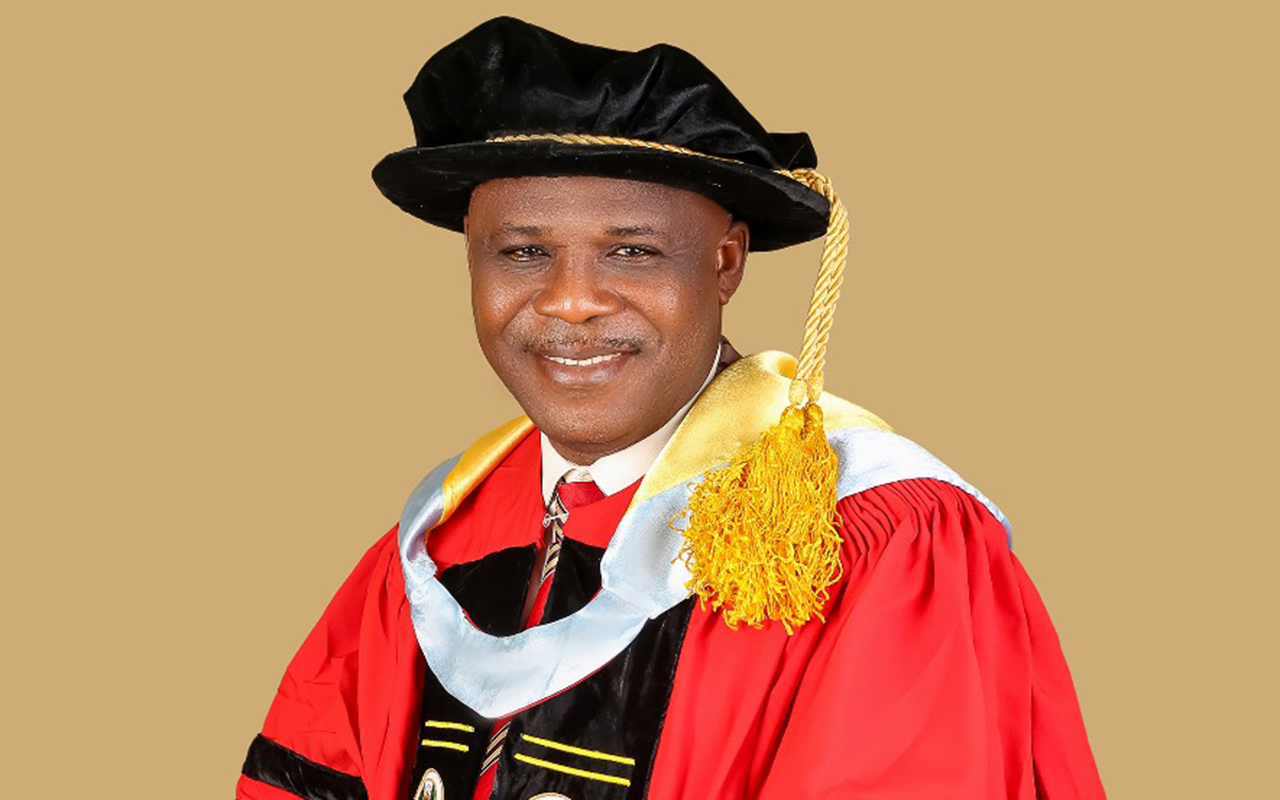
Nearly three years after the launch of the Presidential Compressed Natural Gas Initiative, uptake by states and government agencies remains sluggish, raising questions about policy coherence, infrastructure readiness, and the much-needed political will to drive the initiative, OLUSEGUN KOIKI and BENJAMIN ALADE report.
When President Bola Tinubu declared on May 29, 2023, during his inaugural address in Abuja that “fuel subsidy is gone,” the announcement sent shockwaves nationwide.
While some welcomed the move as overdue, others feared its immediate impact on the cost of living and transportation.
Within days, the Federal Government rolled out the Presidential Compressed Natural Gas Initiative (PCNGI), positioning it as a strategic response to the subsidy removal. The initiative was designed to cut Nigeria’s reliance on petrol, lower transport costs, reduce import bills, create jobs, and leverage the country’s vast natural gas reserves.
At the time, government officials described it as both an energy transition programme and an economic rescue plan, particularly as Nigeria had been spending an estimated N400 billion monthly on petrol subsidy.
To drive adoption, the government announced incentives, including subsidised vehicle conversion kits, the rollout of conversion centres nationwide, and partnerships with private investors to establish CNG refuelling stations. An ambitious target was also set: convert at least one million vehicles to CNG by 2027 and ensure that all future government vehicle purchases are powered by CNG, electricity, or solar energy.

Almost three years later, however, the reality on the ground tells a different story.
Despite the policy push, adoption of CNG-powered vehicles by Ministries, Departments, and Agencies (MDAs), as well as state governments, remains low. Many public institutions continue to procure Premium Motor Spirit (PMS)-powered vehicles, raising doubts about the credibility and sustainability of the transition plan.
Between 2023 and 2024, the Lagos State House of Assembly reportedly spent about N45 billion on vehicles, including SUVs for lawmakers and principal officers.
None of the vehicles was CNG-powered. In 2025, the Kano State Government also reportedly spent about N100 billion procuring SUVs, pick-ups, and buses across its 44 local government areas, again without a single CNG-powered unit. Similar procurement patterns have been observed in several other states.
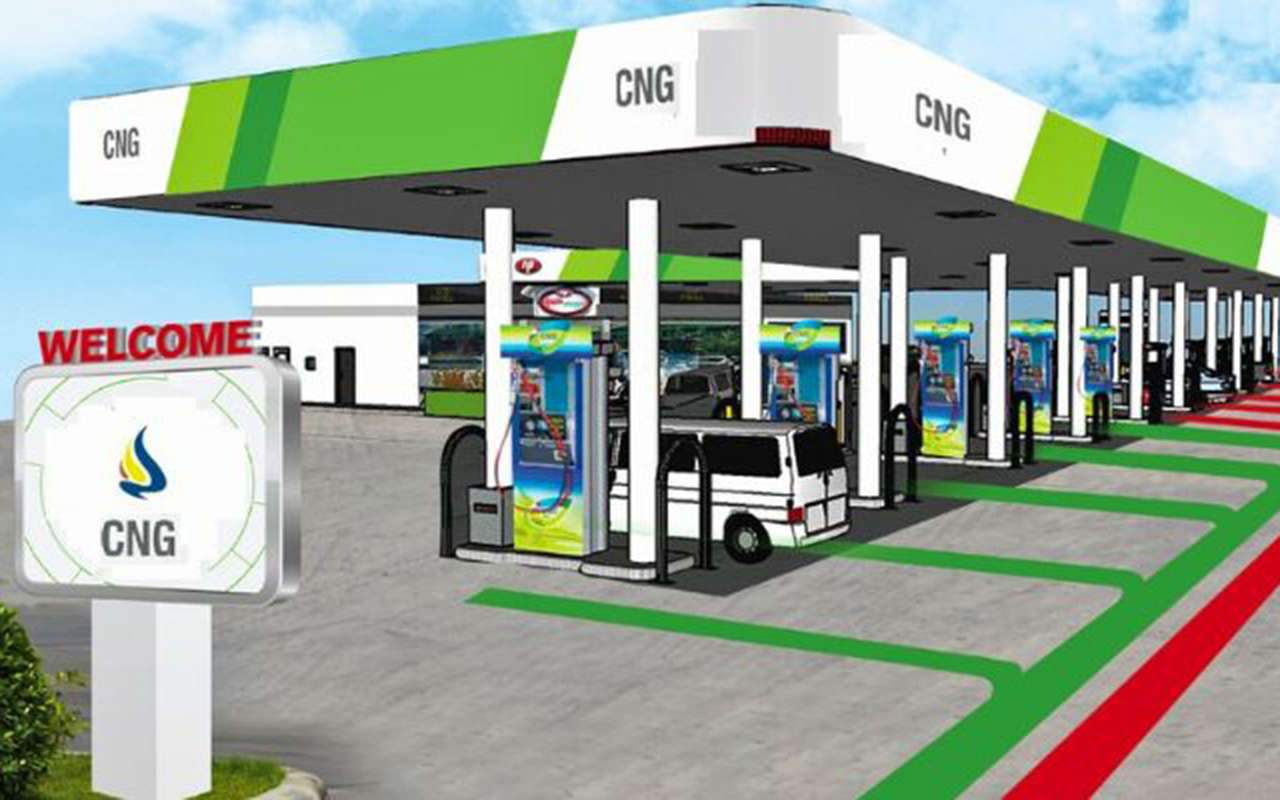
Compounding the problem is the limited availability of infrastructure. Some states still lack CNG conversion centres, while only a handful of filling stations nationwide are equipped with CNG refuelling facilities. Where such stations exist, long queues have become common, reinforcing public hesitation and scepticism.
These inconsistencies, industry experts say, raise fundamental questions about policy alignment, institutional commitment, and the seriousness of Nigeria’s energy transition agenda.
 Commenting on the slow pace of adoption, the Managing Partner of Transtech Industrial Consulting Nigeria, Luqman Mamudu, said the continued investment in PMS-powered vehicles alongside the push for CNG reflects deeper economic and logistical challenges.
According to him, Nigeria already has a vast and well-established network of petrol filling stations, even in remote areas, whereas CNG infrastructure remains limited.
He added that despite government subsidies, the cost of converting vehicles from PMS to CNG is still relatively high, while existing CNG stations are inadequate to meet current demand.
Mamudu noted that converting the massive fleet of government-owned vehicles would require significant capital and time, stressing that public awareness and confidence-building remain critical.
“Like it or not, there is still public scepticism about the safety and performance of CNG vehicles. If the Presidential Initiative for Compressed Natural Gas is sustained, technical expertise for maintenance and conversion will likely improve within the next two to three years.
“The initiative has already attracted substantial investments — over $500 million by some estimates — and infrastructure expansion is ongoing. With stronger incentives such as tax waivers on CNG equipment and deeper subsidies for conversion kits, the target of one million gas-powered vehicles by 2027 may still be achievable,” he explained.
For Prof. Oscar Odiboh, a university lecturer and auto enthusiast, the problem lies partly in public misunderstanding of the policy’s intent. He argued that the initiative was never meant to force an immediate, wholesale conversion of all vehicles.
“The idea was to gradually migrate commercial vehicles and heavy-duty trucks to CNG,” he said, pointing to the growing number of CNG-powered trucks on Nigerian roads.
He cited Dangote Refineries’ recent acquisition of about 4,000 CNG-powered trucks, as well as ongoing conversions by the Nigerian National Petroleum Company Limited (NNPCL) and state-supported mass transit schemes.
“The initiative is a long-term one. It is making progress, but the pace raises legitimate questions. Still, I am optimistic that within the next two years, we will see more tangible results,” Odiboh stated.
He urged Nigerians to support the programme, arguing that energy transitions require patience, consistency, and public buy-in.
From an industry perspective, the National Secretary of the Professional Platform of the Auto Dealers Association of Nigeria (PPADAN), Chijioke Chibueze, said the shift to CNG and Electric Vehicles (EVs) should be viewed as a structural transformation rather than a short-term policy experiment.
Chibueze added: “The economic logic is compelling and unavoidable. CNG and EVs offer fuel cost savings, reduced engine wear, lower maintenance costs, and less environmental damage. These long-term benefits are often overlooked in public discourse.”
He also addressed concerns around infrastructure and power supply, particularly for EVs, noting that advances in technology are already providing solutions.
“Solar and hybrid power systems are making EV charging possible independent of the national grid. This is already happening, and the business opportunities around charging infrastructure are enormous,” he said.
According to Chibueze, resistance from some states and MDAs reflects a gap between policy and practice, rather than outright rejection of the transition. He urged governments at all levels to lead by example by prioritising CNG and EVs in public procurement.
“Consistency in policy, sustained incentives, and aggressive public enlightenment are key. Once Nigerians clearly see the economic benefits and reliability of these technologies, adoption will increase naturally,” he stated.
Despite the current slow pace, stakeholders agree on one point: the transition to cleaner, domestically powered transportation is inevitable. Whether Nigeria achieves it smoothly or stumbles along the way may depend on how decisively the government aligns policy promises with action on the ground.

