 Follow Us on Google News
 Follow Us on Google Discover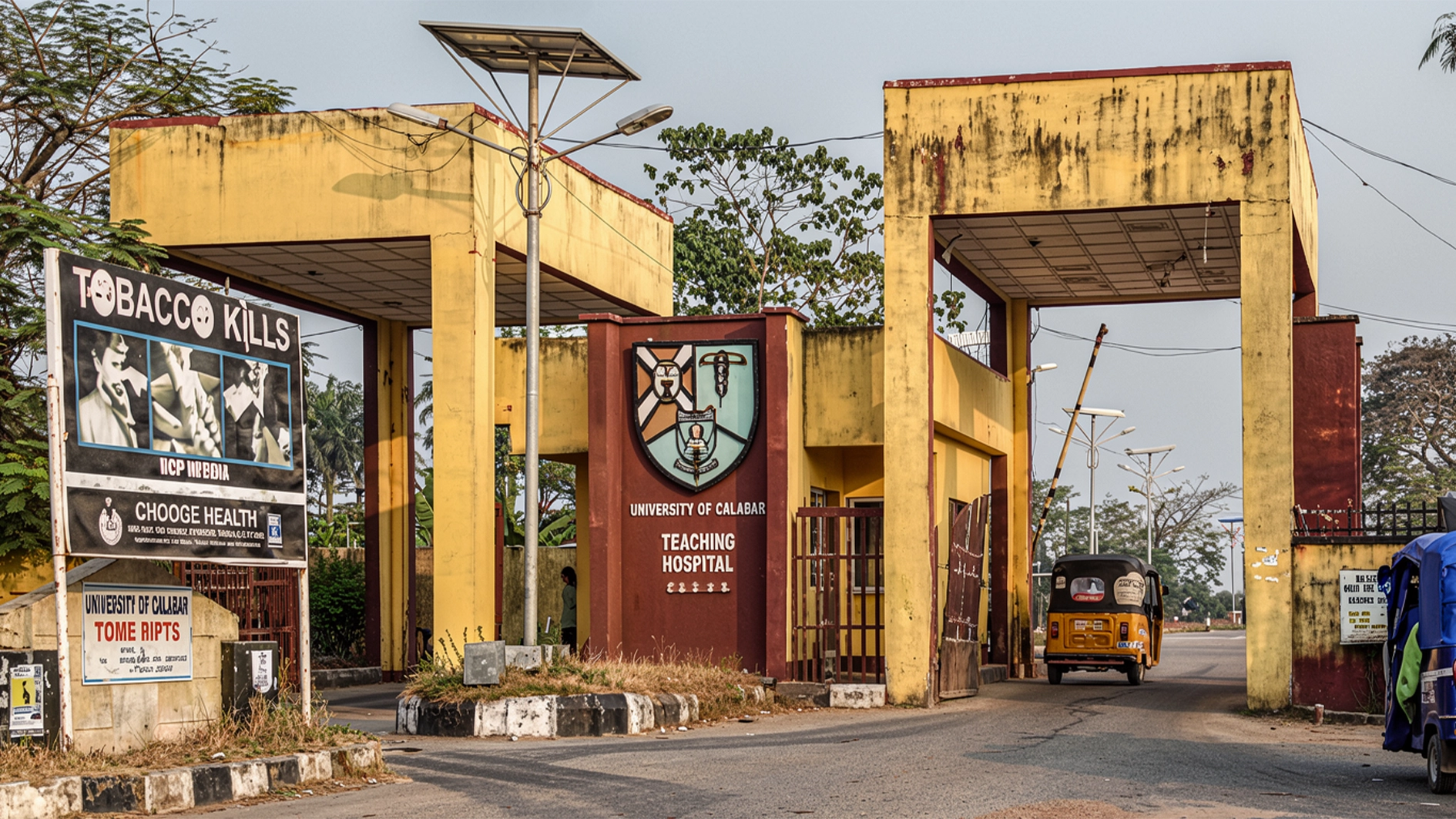
• Medical, Dental Council keeps mum
Seventeen newly posted medical house officers to the University of Calabar Teaching Hospital (UCTH) have accused the hospital management of alleged discriminatory treatment and abrupt rejection, sparking outrage on social media and renewing concerns over ethnic bias and administrative bottlenecks in Nigeria’s healthcare system.
The affected doctors, posted to UCTH by the Medical and Dental Council of Nigeria (MDCN), said they arrived in Calabar from different parts of the country to commence their mandatory one-year housemanship, only to be informed that the hospital would not clear them to resume duty.
One of the house officers, who spoke to The Guardian in Calabar, said they reported at the hospital on a Monday in line with their posting letters issued via the MDCN online portal. “We were issued posting letters instructing us to resume within two weeks. There was no indication that the hospital had rejected us or that clearance was conditional,” the doctor said.
According to the source, the problem began when they reported to the hospital’s administrative unit, where officials informed them that UCTH management had petitioned the MDCN over what it described as “discrepancies” in the posting list.
Hospital officials, the doctors alleged, raised concerns that 15 of the 17 house officers were from the same ethnic group, questioned the absence of any indigene of Cross River State on the list, and queried why only 17 names were posted despite claims that the hospital had capacity for 50 house officers.
“They openly complained about the number of Igbos on the list. At a point, we were told that people from a particular tribe were saturating the hospital,” the source alleged.

The house officers further claimed that the hospital accused some of them of paying to secure postings, an allegation they said was never substantiated.
“They said they had evidence that people paid to get slots, but no proof was shown. Instead of investigating those involved, they rejected all of us,” the doctor added.
The development, according to the affected officers, left many of them stranded after relocating to Calabar. Some said they were forced to sleep on bare floors in makeshift spaces within the hospital premises due to lack of accommodation and uncertainty surrounding their status.
Efforts by the Nigerian Medical Association (NMA), Cross River State branch, and the National Association of Resident Doctors (NARD), UCTH chapter, to intervene reportedly yielded no result, as the hospital management insisted that the matter was beyond its control.
Another affected house officer told The Guardian that repeated appeals to hospital authorities, including meetings with senior officials, ended with instructions for them to vacate the premises and await further directives from the MDCN.
“We were told the list had been petitioned and might be cancelled. Yet, our MDCN portal still shows UCTH as our place of posting, and we have valid posting letters,” the officer said.
The doctors expressed frustration over what they described as poor communication between regulatory bodies and training institutions, warning that such experiences were contributing to the growing exodus of healthcare workers from the country.
“These are the things pushing young doctors to leave Nigeria. You struggle to secure a posting, travel across states, only to be rejected without due process,” one of them said.
When The Guardian visited the office of the Chairman, Medical Advisory Committee (CMAC), UCTH, Prof. Innocent Abang, he denied comments, stating that the matter was no longer within the hospital’s purview. “The issue has been handed over to the Federal Ministry of Health,” Abang said.
Meanwhile, some of the affected house officers have begun returning to their respective states, uncertain about when or where they will be redeployed.
The MDCN, however, has refused to comment or issue an official response on the matter. All efforts by The Guardian to obtain the reaction of the MDCN Registrar, Prof. Fatima Kyari, through her Personal Assistant, Usman Garba, proved abortive.
The Guardian initiated a call to Garba, who, after being informed of the purpose of the call, said he was in a meeting and would return the call later. Messages via WhatsApp and SMS were also sent requesting the Registrar’s response to the alleged rejection of the 17 house officers on ethnic grounds. No response was received.
The correspondent also visited the Federal Ministry of Health and Social Welfare and informed the ministry’s Director of Press about the issue and, in his presence, called the MDCN staff to indicate plans to visit the council’s headquarters for further follow-up.
However, the MDCN staff reportedly informed the correspondent that the Registrar had been in a meeting and advised that there was no point coming to the council, as no official would be available to attend to the matter.

