 Follow Us on Google News


 Follow Us on Google Discover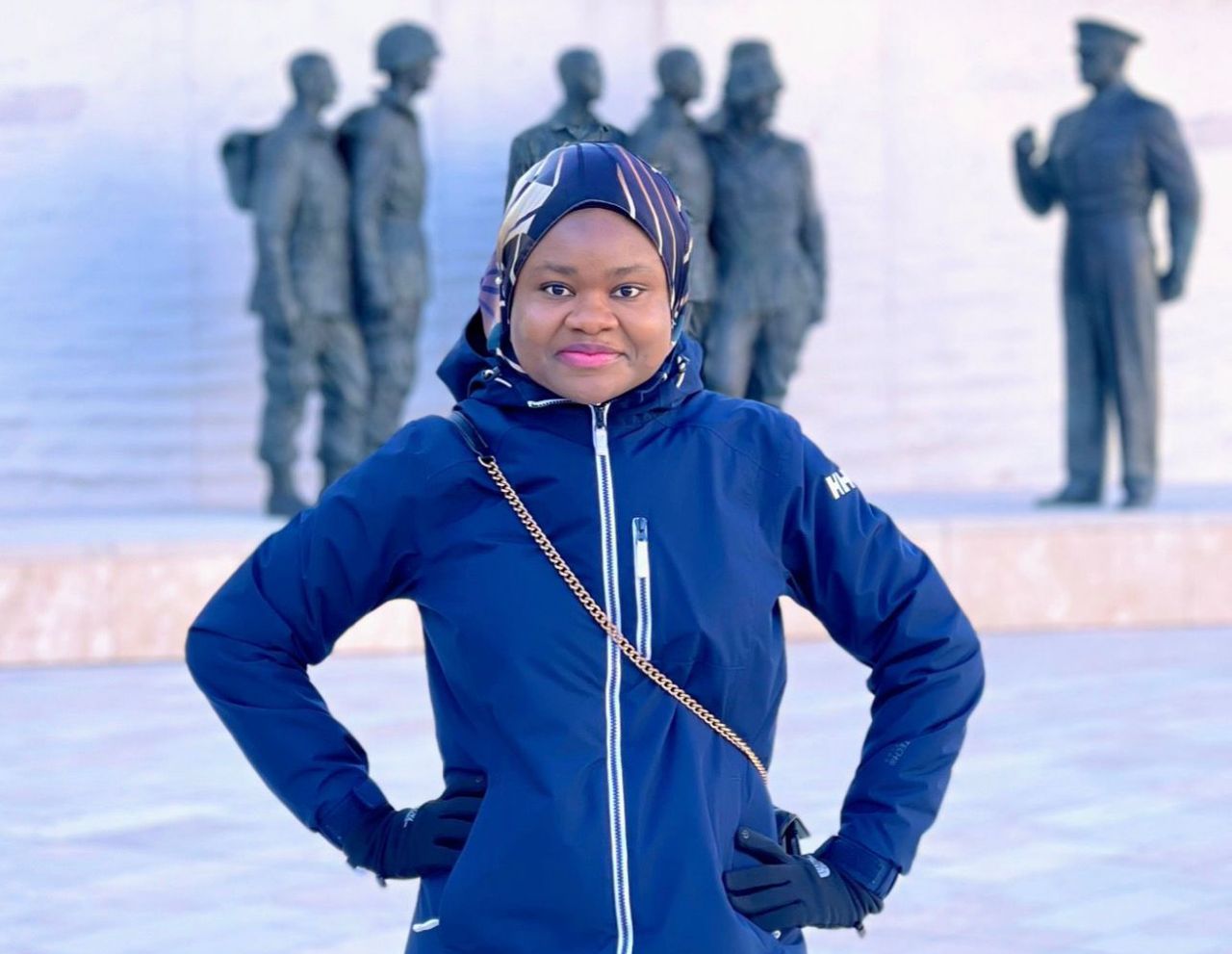

Ms. Zaidat Ibrahim is a PhD candidate at Indiana University. Ibrahim holds a Master of Public Health degree from the University of California, Berkeley. In our conversation, she shared her perspectives on life, research, work, and the impact she strives to make.
[ad]
Why did you choose to pursue a PhD?
I have always wanted to remain curious and deepen my understanding in my field. After completing my master’s degree at UC Berkeley, I accepted a job offer from Genentech in South San Francisco.
Genentech, a subsidiary of Roche, is a biotechnology company that develops medicines to treat serious and life-threatening diseases. While working there, within the personalised healthcare informatics group, I was involved in research to develop a health hub and federated data platform, for people with rare cancers. During this time, I became increasingly interested in studying the health journeys of underserved groups.
This passion led me to apply to PhD programmes, and I ultimately chose Indiana University in Bloomington. While the PhD journey has been demanding, it has opened doors I never imagined. I’ve had the privilege of presenting my research findings across prestigious academic institutions and industry settings, contributing to meaningful discussions about healthcare accessibility and equity. The experience has reinforced my belief that pursuing a PhD isn’t just about academic achievement – it’s about creating impact through rigourous research and dedicated inquiry.
What have you worked on in your PhD?
My PhD research has focused on personal health informatics, specifically targeting underserved populations and less-studied health conditions. For my dissertation, I conducted an empirical study on how Muslim women track their menstrual cycles and utilise this information to support both their personal health and religious practices. Through this research, I discovered that existing menstrual tracking applications do not adequately address the unique needs and goals of this community.
In addition to this, I explored how women diagnosed with Gestational Diabetes (GD) monitor and interpret their health data. This study provided valuable insights into the data-tracking behaviours and requirements of these women, highlighting significant gaps in current health informatics tools. The findings from both projects have important design implications, offering strategies to enhance personal health informatics tools tailored to women’s health needs.

Overall, my research contributes to the development of more inclusive and effective health management technologies, ensuring that personal health informatics tools are better suited to support diverse populations and their specific health goals.
[ad]
What is your advice for people looking to undertake a PhD?
Pursuing a doctoral degree can feel lengthy and challenging at times. I recommend selecting research projects that genuinely excite you—something you can passionately engage with throughout the duration of your PhD programme. This enthusiasm will help sustain your motivation during the inevitable tough phases. Before starting your PhD, develop good habits that will support your academic journey. For me, this involved cultivating a love for reading, including materials unrelated to my field, which helped me stay balanced and maintain my sanity. Additionally, building a strong support system is crucial. Surround yourself with friends, family, colleagues, and communities such as religious groups that can offer encouragement and assistance when needed. Equally important is maintaining healthy habits. You’ll need to prioritise your physical, mental, and emotional well-being to successfully navigate the demands of your PhD programme. Regular exercise, a balanced diet, and mindfulness practices can make a significant difference in managing stress and maintaining focus.
Remember, your health is the foundation that will support your academic and personal growth throughout your doctoral journey. By staying curious, organised, and well-supported, you’ll be better equipped to tackle the challenges and make the most of your PhD experience.
Can you describe your latest project and what motivated you to undertake it?
My latest research project focused on understanding data consent mechanisms as we developed a data platform for sharing information about individuals with rare diseases. As researchers, ensuring the protection of Personal Health Information is paramount, and through this initiative, we are building and establishing robust consent protocols that safeguard the data of contributors. Through this research, we gained valuable insights into data contributors’ goals. This understanding helped us develop approaches that empower contributors while ensuring our research objectives align with and advance their interests, particularly in how their information is used and shared. This work has significantly enhanced data stewardship practices and has advanced research in the field of rare diseases. I am proud to have collaborated with the talented researchers at Microsoft Research, whose expertise has been instrumental in ensuring the impact of this project.
What other ways are you giving back to society?
Beyond my daily work, I have consistently sought opportunities to give back to the community. For many years, I volunteered with the United Nations Volunteers programme, where I took on various roles to support non-profit health institutions, including fundraising assistant and health news blogger. Additionally, I contributed to ‘Opportunity Desk’ for several years, helping to share valuable opportunities with young people worldwide. Currently, I support my friend’s initiative, “Naijacoder,” a nonprofit organisation that provides technical education.
[ad]

