 Follow Us on Google News
 Follow Us on Google Discover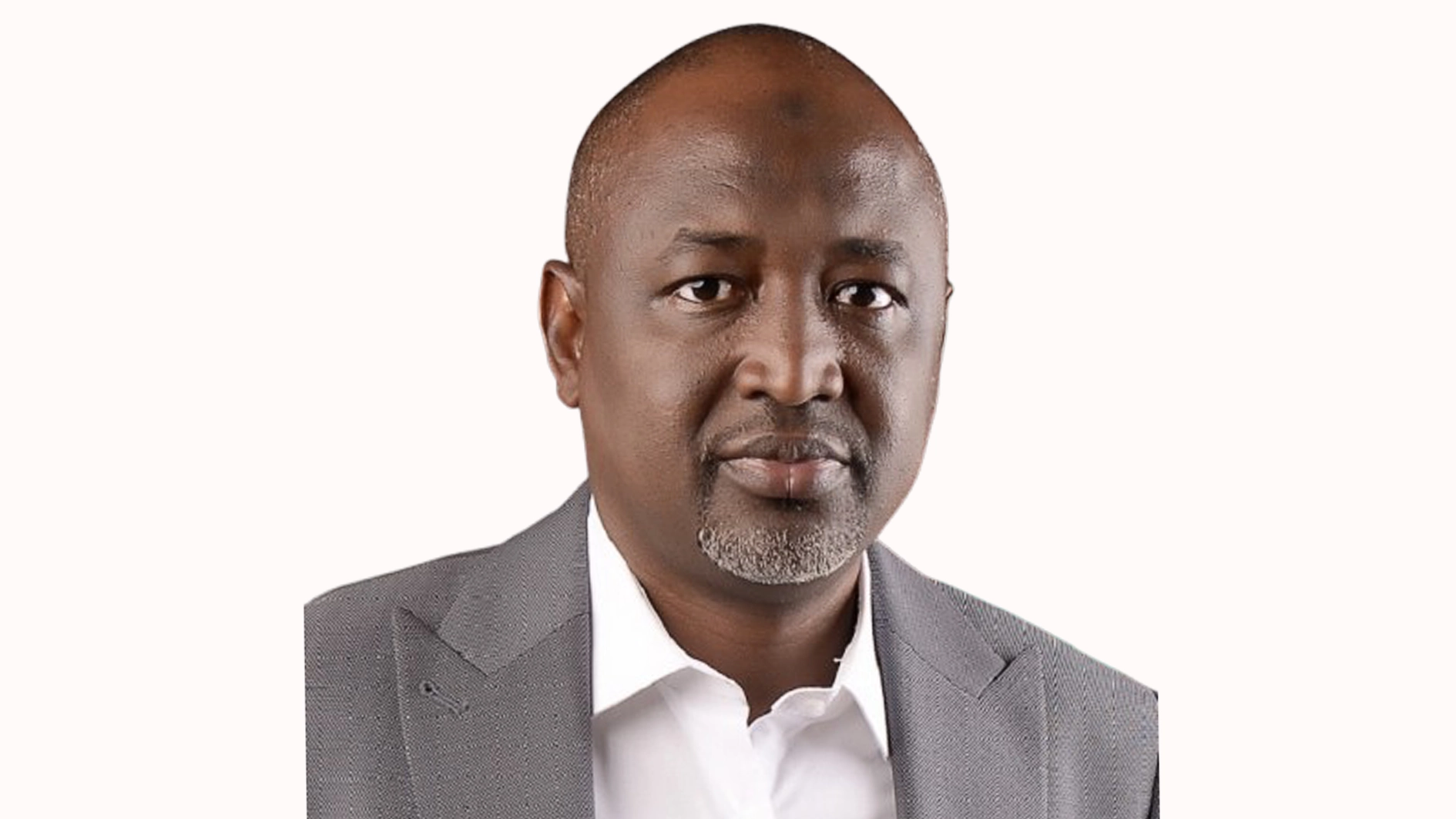
The Nigeria Institute for Cancer Research and Treatment (NICRAT) has completed the first phase of Nigeria’s Cancer Genome Study, a landmark research project aimed at identifying genetic mutations associated with common cancers among Nigerians to support the development of precision medicine and targeted therapies.
The institute said the study is expected to improve treatment outcomes and contribute to the country’s goal of reducing the cancer burden by 30 per cent by 2030.
Director-General of NICRAT, Prof. Usman Aliyu, disclosed this in Abuja at the close of the Best of ASCO Africa 2026 Conference, organised by the African Organisation for Research and Training in Cancer (AORTIC) in collaboration with the American Society of Clinical Oncology (ASCO).
Aliyu explained that the Cancer Genome Study seeks to identify genetic mutations associated with common cancers among Nigerians and use the findings to develop targeted therapies tailored to patients in the country.
He said precision medicine focuses on the specific genetic drivers of cancer, unlike conventional chemotherapy, which affects both cancerous and healthy cells. “Precision medicine enables clinicians to target the specific mutations responsible for cancer growth rather than exposing the entire body to the toxic effects of chemotherapy,” he said.
Although cancer treatment remains expensive worldwide, Aliyu said Nigeria is implementing measures to reduce the financial burden on patients through government-backed interventions.

He reaffirmed NICRAT‘s commitment to advancing cancer prevention, research, early detection and treatment through evidence-based policies, strategic partnerships and innovative programmes aimed at improving access to quality cancer care.
Aliyu also disclosed that the government is promoting local production of cancer medicines and vaccines to reduce dependence on costly imported therapies. “We are looking at how to translate global research into actions in our clinics and ensure Nigerians benefit from the latest scientific breakthroughs,” he said.
According to him, the institute has trained about 140 early-career scientists under its Strengthening Institutional Capacity in Cancer Research (SINCA) programme and awarded research grants to 24 researchers to strengthen local research capacity.
He added that the Federal Government has established a health fund to subsidise cancer diagnosis and treatment, while the National Cancer Health Fund is providing financial support for indigent cancer patients.
Also speaking, AORTIC Vice President for North America, Dr Abiola Ibraheem, expressed concern over the widening disparity in cancer care between developed countries and Africa.
She noted that many innovative cancer therapies and technologies available in high-income countries remain inaccessible across much of Africa, adding that the conference was designed to strengthen collaboration among African countries to improve access to life-saving treatments.
“The challenge before the global community is no longer simply generating innovation but ensuring equitable access to innovation,” she said.
Special Adviser on Research and Innovation to the Minister of Health and Social Welfare, Dr Lolade Adeyemi, said the Federal Government is working towards introducing specialised cancer insurance to improve access to treatment.
She also announced that Nigeria is conducting three immunotherapy clinical trials for the first time, making globally recognised medicines such as nivolumab and pembrolizumab available to patients through research programmes.
According to her, the development marks a significant milestone in Nigeria’s cancer treatment landscape and demonstrates the country’s growing capacity to conduct world-class clinical research.
Chair of the conference and immediate past President of AORTIC, Dr Miriam Mutebi, observed that Africa contributes only about eight per cent of global cancer research despite carrying a disproportionately high and growing cancer burden.
She attributed the continent’s low research output largely to inadequate domestic funding and urged African governments to honour their commitment to allocate at least one per cent of Gross Domestic Product (GDP) to research and development.
Mutebi stressed the need for more locally driven research to understand why many African cancer patients present late for treatment and often fail to complete their care.
Chief Medical Officer of ASCO, Dr Julie Gralow, said the partnership between ASCO and AORTIC is helping to strengthen Africa’s clinical research capacity while ensuring that new cancer treatments are evaluated within African populations.

