 Follow Us on Google News


 Follow Us on Google Discover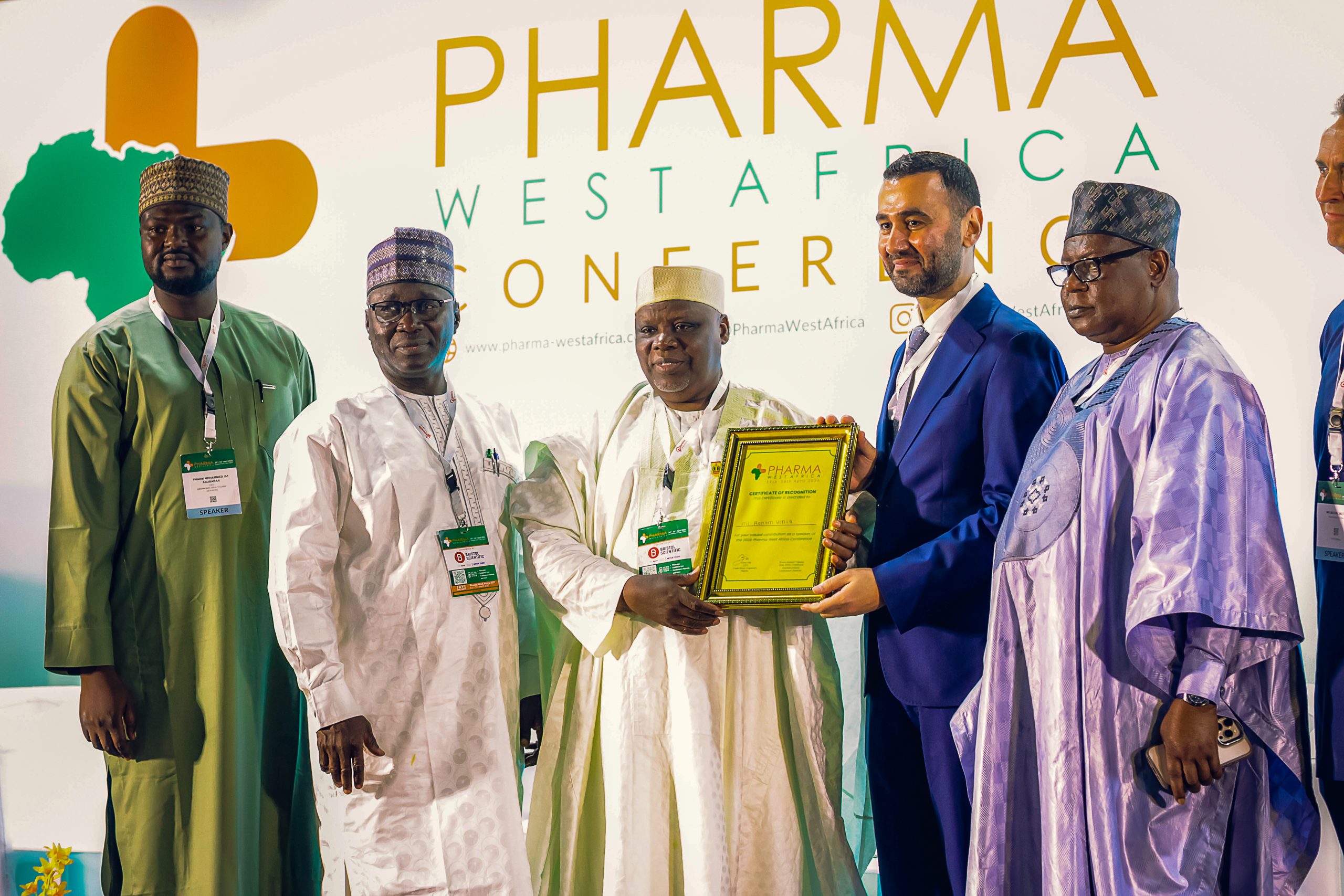
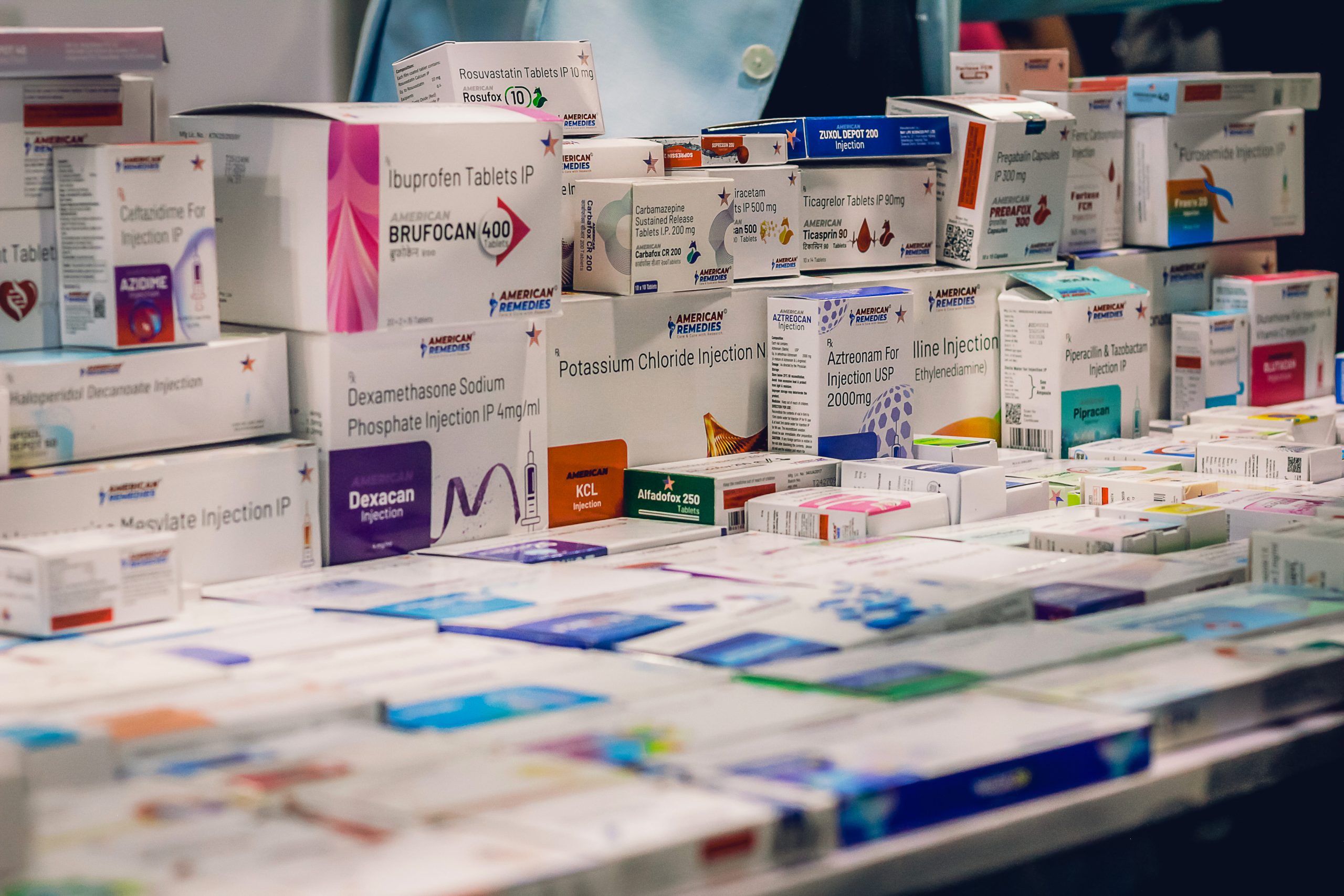
Nigeria’s pharmaceutical industry is facing growing demand, but the sector still struggles with heavy dependence on imports, high production costs, weak supply chains and the threat of fake drugs.
Across Africa, experts say between 70% and 95% of medicines used on the continent are imported, while between 30% and 60% of pharmaceutical manufacturing capacity remains idle. The figures show a major gap between healthcare demand and local production.
These issues were part of discussions at the third edition of Pharma West Africa 2026, a 3- day exhibition and conference held at the Landmark event centre in Lagos.
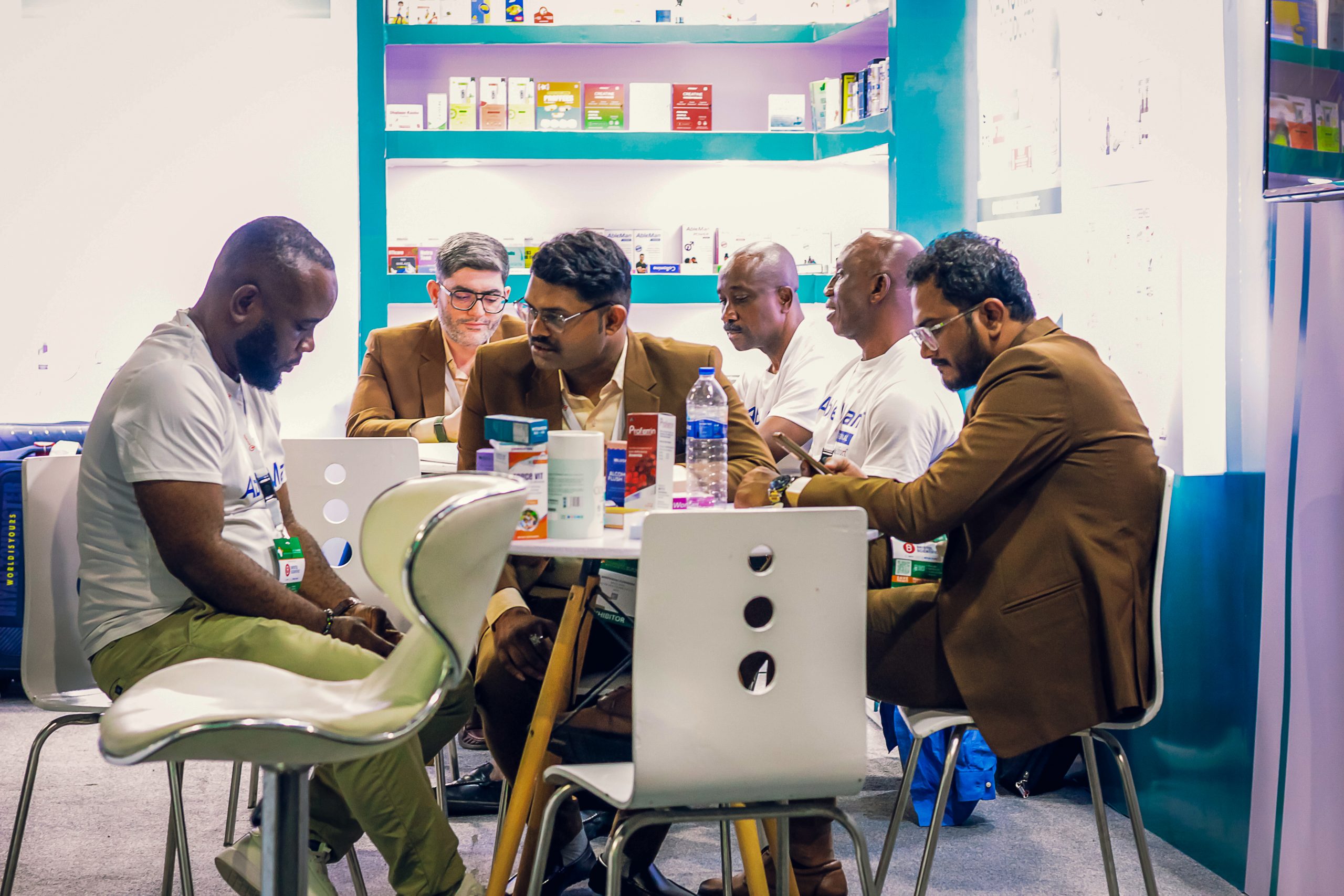
The event brought together policymakers, manufacturers, researchers, investors and health professionals to discuss how West Africa can secure medicine supply through stronger local production, better financing and more efficient supply systems. It was a busy and well-attended gathering, with hundreds of delegates in participation, including global companies and delegations from the United Kingdom, India and Russia’s St Petersburg region.
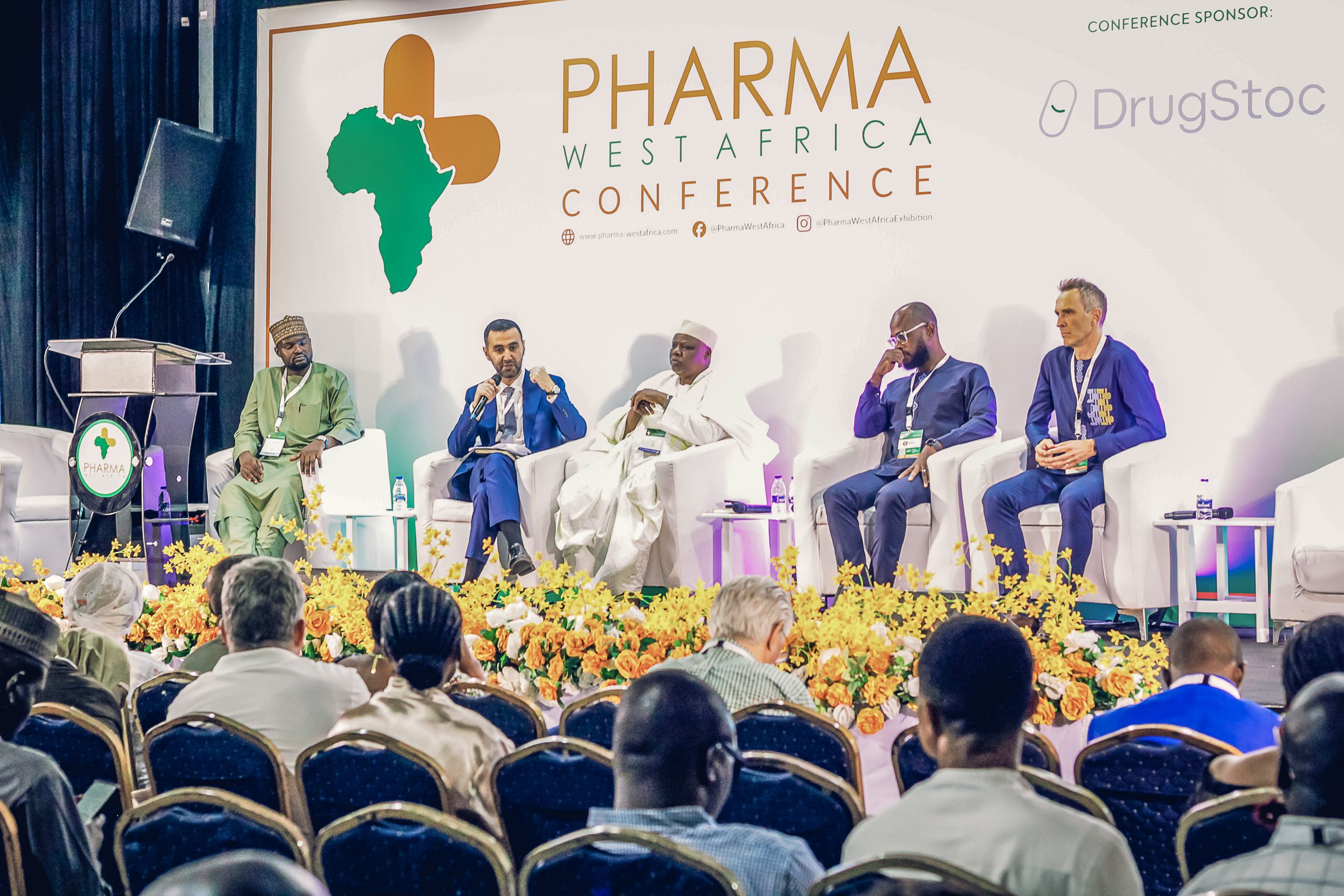
With the theme, Pharmaceutical Supply Chain Strengthening for Self-Sufficiency in West Africa, participants focused on reducing dependence on imports and building stronger healthcare systems across the region.
Stakeholders at the conference said donor dependency, fragmented procurement systems and poor investment flows have slowed the growth of local pharmaceutical manufacturing in many African countries.

Chairman of the planning committee and former President of the Pharmaceutical Society of Nigeria, Pharm Ahmed Yakasai said the COVID-19 pandemic exposed serious weaknesses in global supply chains and showed the risks of relying too heavily on foreign systems for essential medicines.
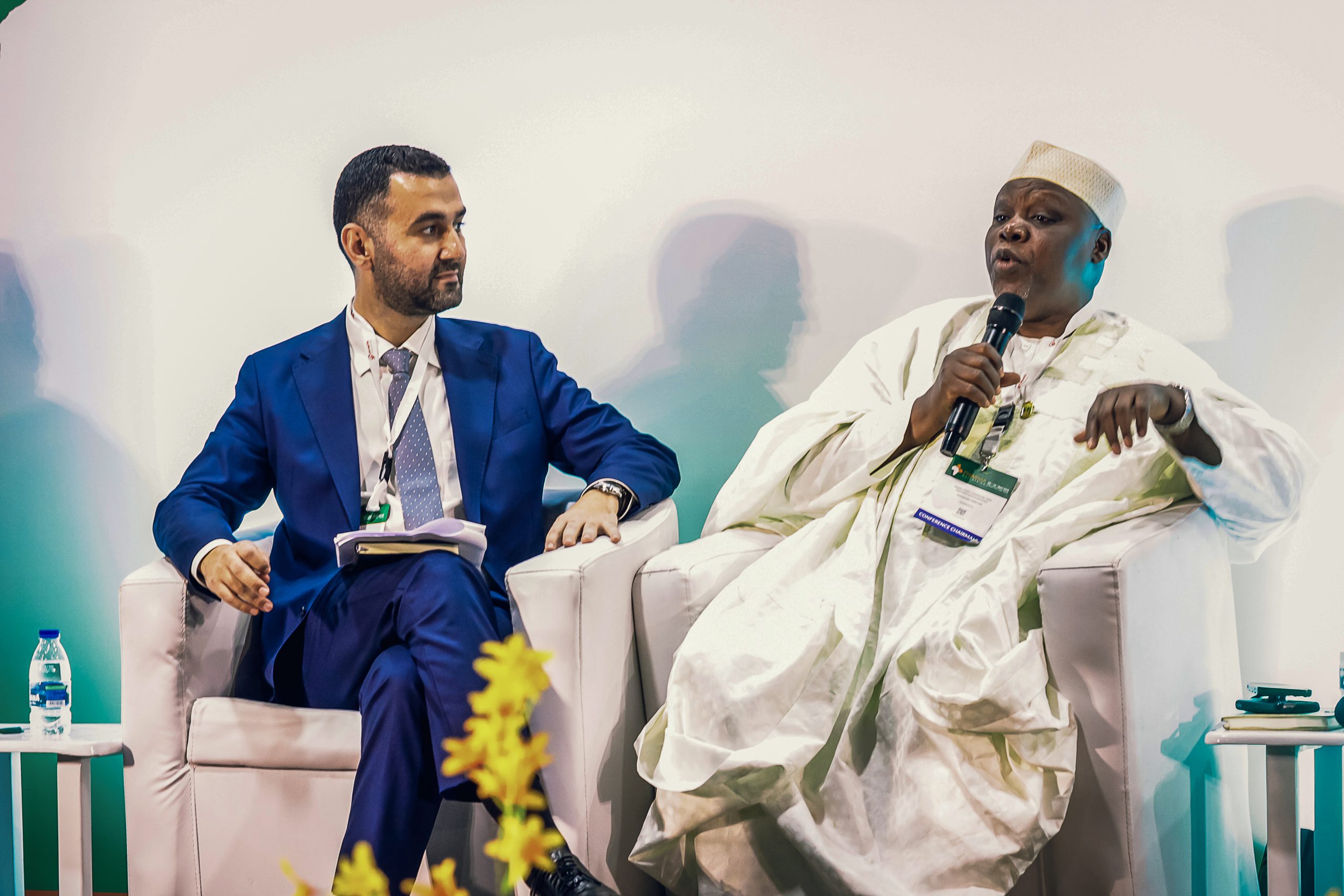
He urged participants to move beyond speeches and commit to practical action such as strengthening local manufacturing, encouraging innovation, harmonising regulations and attracting investment.
Among companies at the event was Drugstoc, the official conference sponsor.
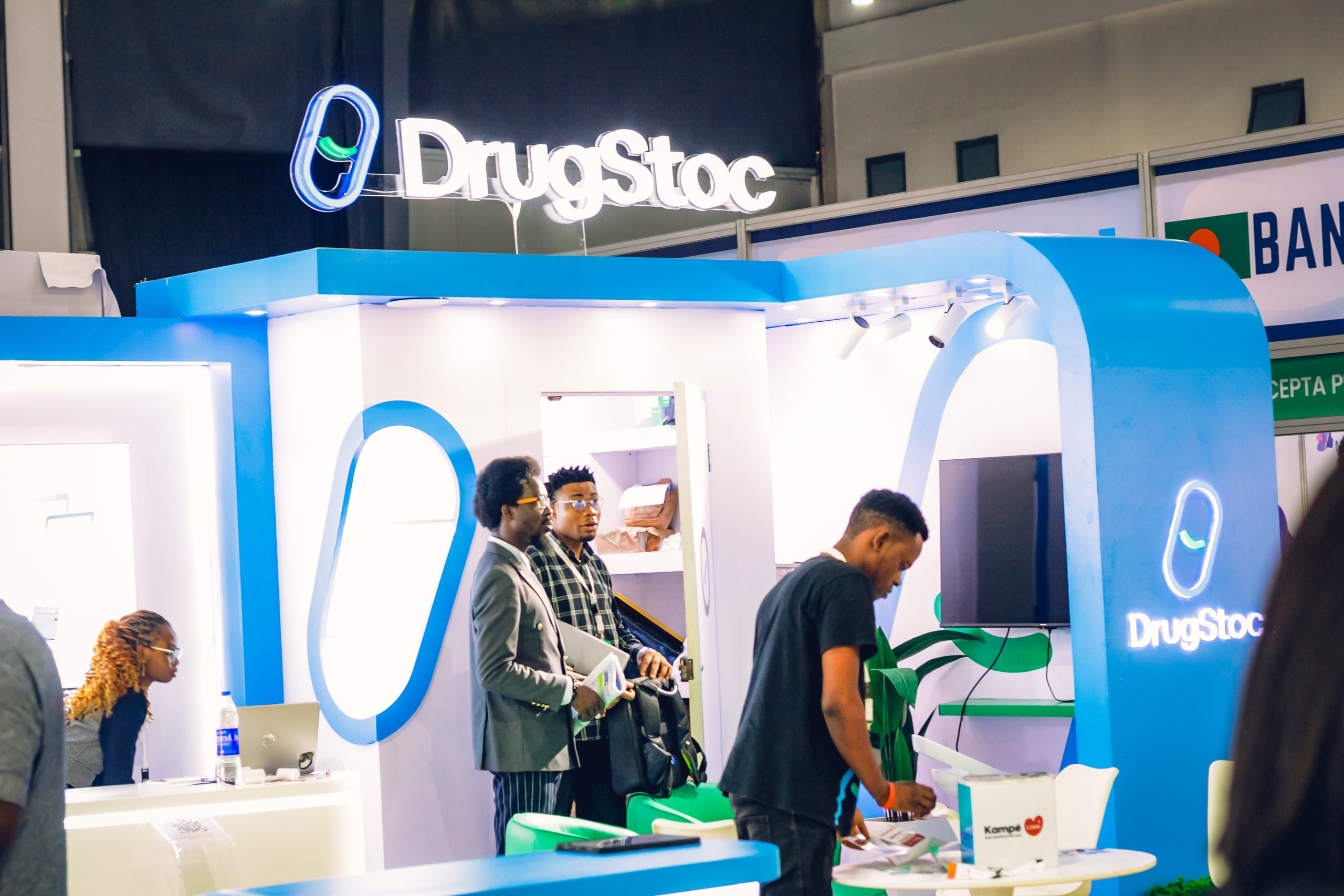
DrugStoc is a Nigerian health technology company that operates a tech-enabled supply chain platform in the pharmaceutical sector, helping healthcare providers source medicines and medical products more efficiently.
Co-founder and President of DrugStoc, Adham Yehia said the idea behind Pharma West Africa was to create a platform where industry players could meet to discuss policy, showcase innovation and coordinate action as the sector grows.

According to him, the pharmaceutical industry and wider healthcare sector will need stronger collaboration over the next 10 years if Nigeria and the region are to achieve better health outcomes.
He said the conference helps by giving manufacturers access to distributors and the wider market, while also allowing foreign investors to study the sector and explore opportunities before committing funds.
Yehia added that collaboration between policymakers, manufacturers, retailers and insurance companies would be important in building a stronger pharmaceutical system.
His comments reflect the growing role of technology in the industry. Digital platforms can help improve procurement, monitor stock levels, reduce delays and connect buyers with trusted suppliers.
For a market like Nigeria, where medicine shortages and uneven distribution remain common, such systems could become more important in the years ahead.

However, major challenges remain. Manufacturers continue to face high energy costs, foreign exchange pressure, regulatory delays and limited access to affordable finance.
These problems affect prices, slow expansion and make locally produced medicines less competitive.
Still, Nigeria remains one of Africa’s biggest pharmaceutical markets because of its large population and rising healthcare demand.
Yehia said Nigeria has the potential to become a West African hub for pharmaceutical excellence, serving both the local market and neighbouring countries.
That goal also fits into the opportunity created by the African Continental Free Trade Area, which gives access to a market of more than 1.3 billion people.
The growing turnout at Pharma West Africa each year also shows rising interest in the sector.

